
Lieferung heute & morgen

Qualitätsgarantie

Willkommens-Angebote freischalten: KOSTENLOSE Lieferung | Bis zu 80 % RABATT | Kostenlose 30-Tage-JoyPlus-Testphase
App herunterladen
A damaged iPhone display doesn’t just happen from a drop. Keys, sand in your pocket, dirt on your desk, or frequent wiping can all leave visible marks. An iPhone tempered glass screen protector can take the strain off your display in everyday use. However, it doesn’t replace a protective case and doesn’t offer absolute protection against heavy impacts.
When buying, three common pitfalls often lead to unnecessary spending:
An iPhone screen protector must match your specific model. Display size, camera area, speaker cut-out, and device edges can differ between model variants. So check the exact name before ordering – for example, iPhone 16, iPhone 16 Pro, or iPhone 17 Pro.
A case-friendly screen protector deliberately leaves a small gap at the edge. Models like “Classic Fit” or “Ultra-Wide Fit” can behave differently with a case. If you use a particularly snug case, you should check the fit of both products together.
Tempered glass for the iPhone offers a firm, smooth surface compared to thin plastic films. A rating like 9H tempered glass refers to the stated hardness of the material. However, it doesn’t mean your smartphone will remain undamaged in every fall.
For daily use, the following features are also important:
If you often work outdoors or commute, you should also look for robust edge finishing and a scratch-resistant screen protector. Terms like “shatterproof” shouldn’t be taken as an unlimited guarantee of protection.
A dust-free installation is crucial. Even a single speck of dust can create a visible bump or bubble. For a bubble-free installation, the accessories should at least include cleaning wipes, dust removal stickers, and an alignment tool.
The most reliable way to apply it is in a room that’s as dust-free as possible:
The glass must not be bent sharply during installation. If you notice cracks or sharp broken edges, carefully remove the screen protector immediately and replace it.
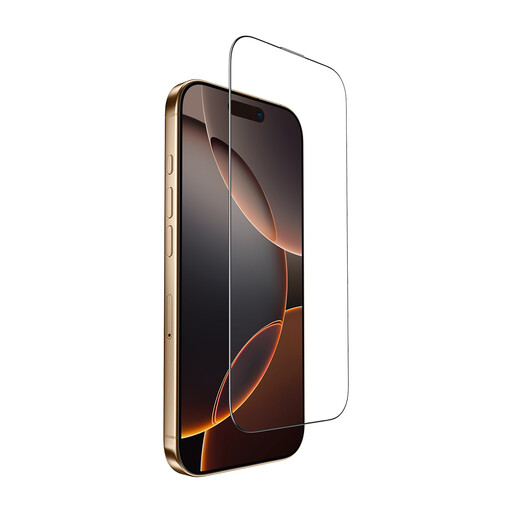
Why this product fits the profile: The 2.5D full-screen design, HD display and dust protection are aimed at users who want a straightforward iPhone screen protector for everyday use.
The product name clearly mentions HD and dustproof, rather than advertising solely with an unexplained hardness rating.
2.5D full-screen design; HD and dust protection according to product specifications.
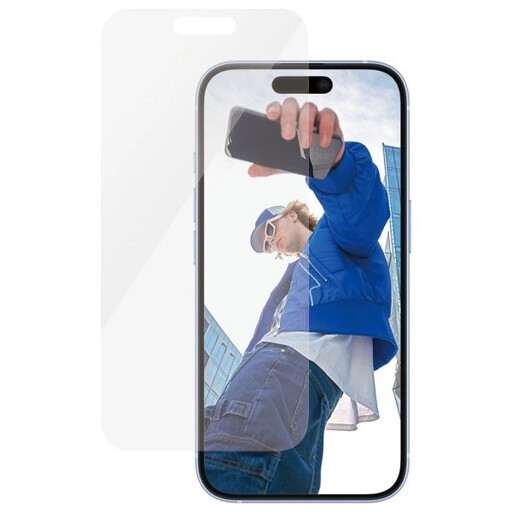
Why this product fits the profile: The Classic Fit is ideal for users who value clear display, touch sensitivity, and using a protective case.
The fit is explicitly described as case-friendly and covers the flat display area, rather than extending unnecessarily over the edges.
Tempered glass; oleophobic and anti-fingerprint coating; stated bubble-free installation.
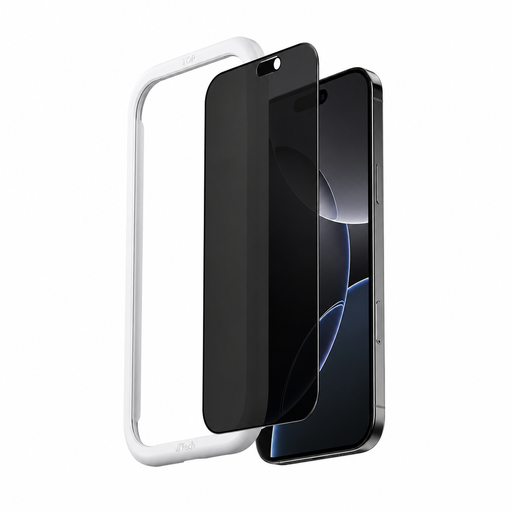
Why this product fits the profile: The privacy function is suitable for commuters, travellers, and anyone who wants to make messages or passwords less visible on trains, buses, or in the office.
The side privacy filter is described as a specific function. At the same time, you should be aware that the display may appear darker when viewed from an angle.
9H hardness rating; privacy filter; anti-fingerprint and dust-repellent properties according to product specifications.
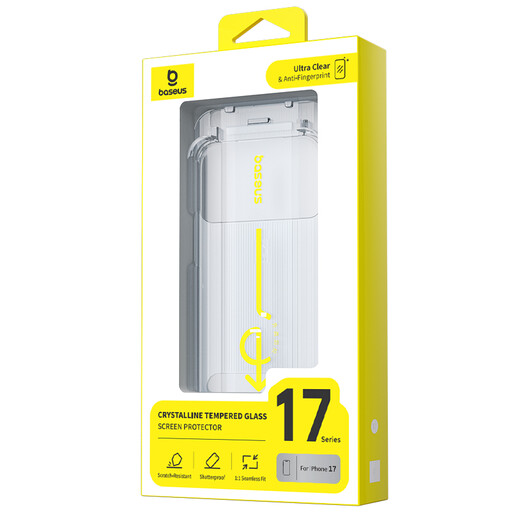
Why this product fits the profile: The included dust-proof installation tray and cleaning kit are practical when you want as controlled an installation as possible.
The alignment tool reduces the risk of dust and crooked positioning – two common causes of bubbles and lifted edges.
HD glass; dust-proof installation tray; cleaning kit included.
We’ve put together a full, regularly updated list of products that fully meet these strict selection criteria and the safety regulations in force in the EU.
The lifespan depends on usage, case fit, and stress. If you see visible cracks, chips, scratches in the viewing area, or edges lifting, the screen protector should be replaced. Even without damage, a replacement can be sensible if the anti-fingerprint coating noticeably wears off.
The display must be completely clean and dust-free. The installation should be done without rushing, before the adhesive surface comes into contact with dust. An alignment tool or installation frame makes positioning easier. Small bubbles can sometimes be pushed out towards the edge; larger bumps often indicate dust trapped under the glass.
A privacy screen protector can reduce side-on viewing, making it useful for public transport or offices. However, it doesn’t prevent all visibility from every angle. Also, the screen brightness may appear lower from a side angle. For colour-critical photo editing or frequently sharing your screen with others, a clear iPhone screen protector might be more practical.