
Lieferung heute & morgen

Qualitätsgarantie

Willkommens-Angebote freischalten: KOSTENLOSE Lieferung | Bis zu 80 % RABATT | Kostenlose 30-Tage-JoyPlus-Testphase
App herunterladen
An iPhone tempered glass screen protector is designed to protect your display from scratches, fingerprints and everyday knocks without affecting usability or image quality. However, not every screen protector is suitable for every model. Differences in display size, cut-outs, edge coverage and installation aids can determine whether the protection remains practical over the long term.
Three common buying misconceptions in particular can lead to unnecessary expense:
Check the exact model designation before buying. An iPhone 15 tempered glass screen protector is not automatically suitable for every variant. Make sure the supplier explicitly lists iPhone 15, iPhone 15 Plus, iPhone 16 or iPhone 17 Pro.
An Ultra-Wide-Fit screen protector extends closer to the display edges. This can increase the protected area, but requires a compatible smartphone case. With particularly tight-fitting cases, a small gap between the glass and the case edge is advisable. The terms “case-friendly” or “case compatibility” should therefore be included in the product description rather than inferred solely from a product photo.
Tempered glass for iPhone provides a firm everyday surface against keys, dust and other minor sources of scratches. The 9H marking should primarily be understood as an indication of scratch resistance. It is not a promise against a cracked display or every type of impact damage.
An oleophobic coating can make fingerprints easier to remove. However, it does not prevent dirt completely. Matte surfaces also reduce reflections, although the display may look slightly different depending on the lighting and viewing angle.
A good iPhone screen protector should alter image quality as little as possible and should not interfere with Face ID or touch controls. Privacy glass has a deliberately different purpose: an iPhone privacy screen protector limits the screen’s visibility from the side. This is useful on public transport or in a café, but it can affect brightness and the viewing angle from the side.
For bubble-free installation, a clean display, a low-dust environment and precise alignment are essential. Installation aids, cleaning cloths and dust-removal stickers reduce the risk of applying the protector crookedly. Small particles of dust beneath the glass usually cannot be removed completely after it has been applied.
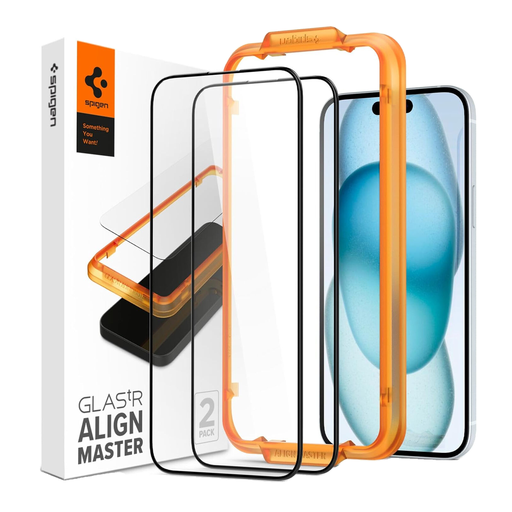
Why this product suits this profile: Two pieces of protective glass and an Align-Master frame make installation easier for beginners and provide a replacement if the first attempt goes wrong.
The model designation specifically refers to the iPhone 15; the 9H marking is described as scratch protection, not as a guarantee against breakage.
2-pack, 2.5D edges, nano coating and installation tools with cleaning kit.
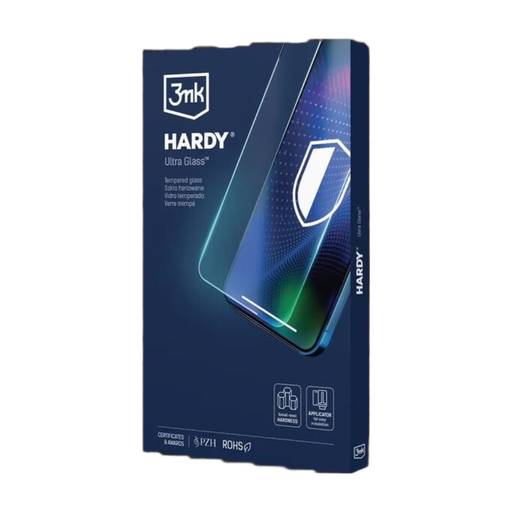
Why this product suits this profile: For users who want to consider not only tempered glass and iPhone compatibility, but also additional surface features such as DiamondView HD and an antimicrobial layer.
The description explicitly names iPhone 15 and iPhone 16 and distinguishes the basalt coating from general claims about shatter resistance.
DiamondView HD technology, Face ID compatibility and antimicrobial layer according to the product description.
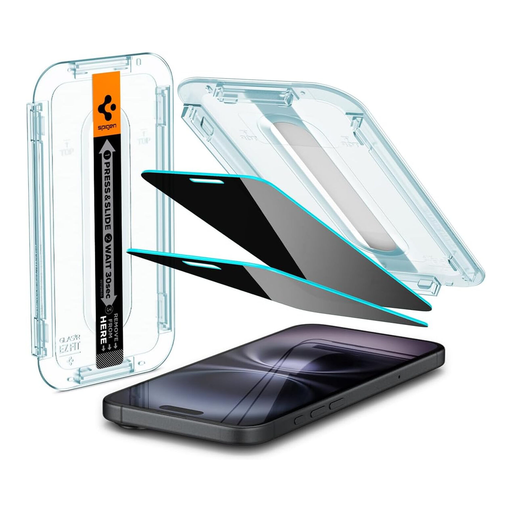
Why this product suits this profile: Suitable for commuters, heavy users and anyone who wants to make their screen content less visible to others while on the move.
The side-view privacy feature is clearly described as a filter. Buyers can therefore decide whether the limited viewing angle suits their needs.
2 pieces, EZ-Fit adapter, 9H marking and case-friendly design according to the product details.
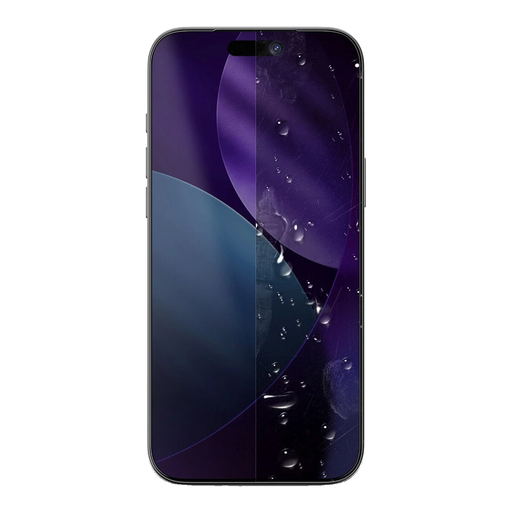
Why this product suits this profile: This iPhone 17 Pro screen protector combines a matte surface with side-view privacy for use in public spaces.
The matte privacy feature is not presented as offering maximum clarity. It is a deliberate choice to reduce reflections and side glances.
9H glass, matte anti-glare surface, anti-fingerprint properties and bubble-free installation as stated.
A screen protector does not protect the camera lenses from scratches. If you often place your iPhone on rough surfaces or use it in dusty environments, you can add a separate iPhone camera lens protector. The Joyroom JR-MFY0250 Glass Lens Protector is designed for iPhone 15 and iPhone 15 Plus. According to the product details, the blue protective glass fits precisely over the camera module and is promoted as offering high transparency and bubble-free installation.
The lenses should be cleaned thoroughly before installation. Do not apply the glass over dust or fingerprints. It should be replaced if it develops cracks or chips. A camera lens protector is no substitute for careful handling and is not designed to withstand extreme force.
We have put together a complete, regularly updated list of products that fully meet these strict selection criteria and the safety regulations applicable in the EU.
Avoid sharp objects, harsh cleaning products and excessive bending. Damaged glass should be replaced, as sharp edges can make handling more difficult.
Its lifespan depends on usage, the edge of the case, cleaning and impacts. Visible scratches, cracks, chips or lifting edges are all reasons to replace it. Regardless of the model, it is not possible to give a reliable fixed service life.
With the correct model and proper installation, touch controls should generally continue to work as normal. However, dust, air bubbles or incompatible glass can affect both operation and display quality.
It is a good choice if you want to protect your screen content from side glances while out and about. If you often view photos or videos with several people, you may prefer clear glass with a wider viewing angle.