
Lieferung heute & morgen

Qualitätsgarantie

Willkommens-Angebote freischalten: KOSTENLOSE Lieferung | Bis zu 80 % RABATT | Kostenlose 30-Tage-JoyPlus-Testphase
App herunterladen
An iPhone 15/16 screen protector is designed to protect your display from scratches, fingerprints and everyday knocks. In practice, however, disappointing purchases are often caused not by the glass itself, but by an unsuitable size, restricted functionality or installation that leaves behind dust and bubbles.
The 9H rating generally describes scratch resistance according to a pencil hardness scale. It does not mean that a screen protector will remain undamaged after every drop or fully protect the iPhone display from cracking. Even tempered glass can shatter when subjected to significant force.
The iPhone 15 and iPhone 16 have similar display dimensions, but you should still check the model, display size and case variant. Pro, Pro Max and Plus models are not automatically compatible with every screen protector. The cut-out for the speaker, sensors and front camera may also differ.
Glass that extends too far over the edges may lift when used with a protective case. A product that is cut too narrowly, on the other hand, leaves parts of the display exposed. Descriptions such as Ultra-Wide-Fit screen protector or “case-friendly” are useful, but they do not replace checking it against your own case.
First, check the exact model designation of your iPhone. An iPhone 15 or iPhone 16 with a 6.1-inch display requires different dimensions from Plus or Pro Max models. An iPhone 15 screen protector or iPhone 16 screen protector should also state whether the glass is compatible with commonly used cases.
An Ultra-Wide-Fit screen protector provides broad coverage of the visible area. This can improve everyday protection, provided that your case leaves enough clearance around the glass.
9H screen protector is a common designation for enhanced scratch resistance. For everyday use, an oleophobic coating to protect against skin oils and a clear display are also important. An anti-fingerprint layer reduces visible marks, but cannot prevent fingerprints completely.
Look for precise information about touch sensitivity, Face ID compatibility and transparency. The screen protector should not interfere with operation through thick edges or inaccurately positioned cut-outs.
A bubble-free installation depends largely on a dust-free surface and accurate alignment. Installation aids such as an Align-Master frame, an EZ-Fit guide, cleaning cloths and dust-removal stickers are useful.
Before applying the protector, you should:
A screen protector is a consumable accessory. It should be replaced if it develops cracks or chipped edges.
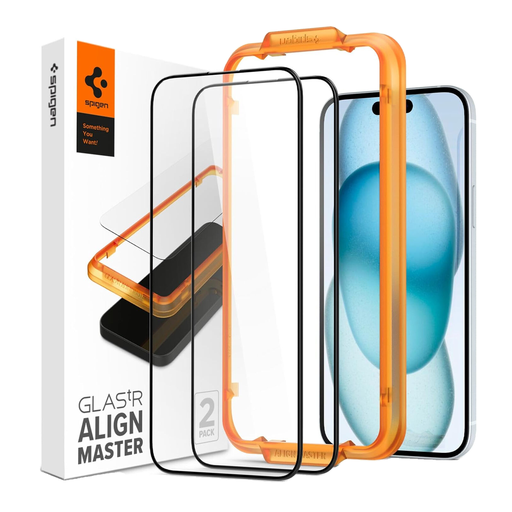
Why this product suits this profile: The two-pack includes a spare in case the first installation is unsuccessful or the glass is damaged later. It is listed as suitable for the iPhone 15.
The Align-Master frame helps achieve even alignment. The product information also clearly states that 9H primarily provides scratch protection and does not guarantee complete protection against drops.
9H hardness, 2.5D edges, nano-coating and two screen protectors included.
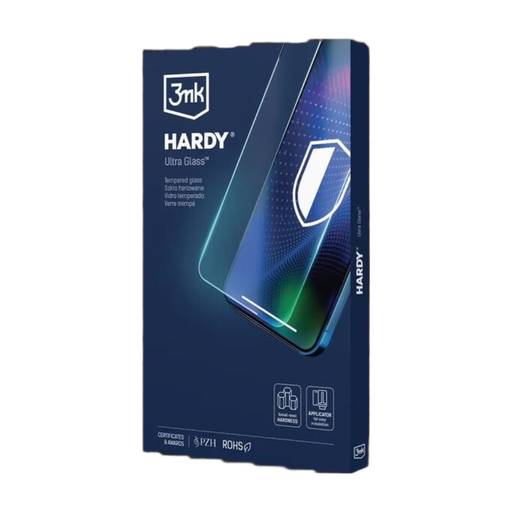
Why this product suits this profile: Suitable for users who value a clear display, Face ID compatibility and an additional coating.
The model information explicitly names the iPhone 15 and iPhone 16. DiamondView HD is specified as a technology for a clear display, while the basalt coating is described as contributing to scratch and crack resistance.
Face ID compatibility, DiamondView HD technology and an additional antimicrobial layer according to the product description.
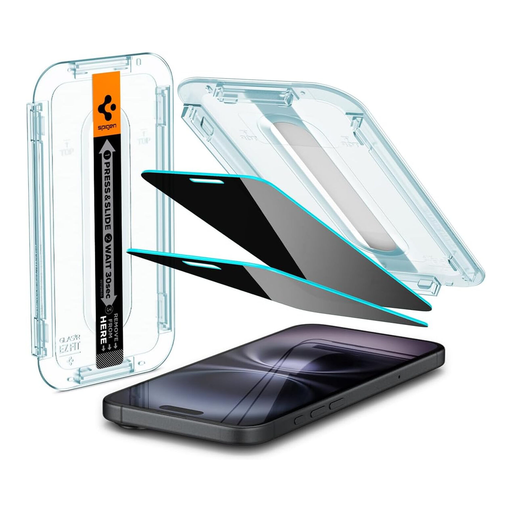
Why this product suits this profile: The privacy filter is designed for people who regularly use their display on trains, in cafés, at the office or in public spaces.
According to the product information, visibility from the side is restricted while the front view remains clear. The supplied guide helps with alignment and reduces the risk of an uneven installation.
9H hardness, privacy filter, case compatibility and two screen protectors per pack.
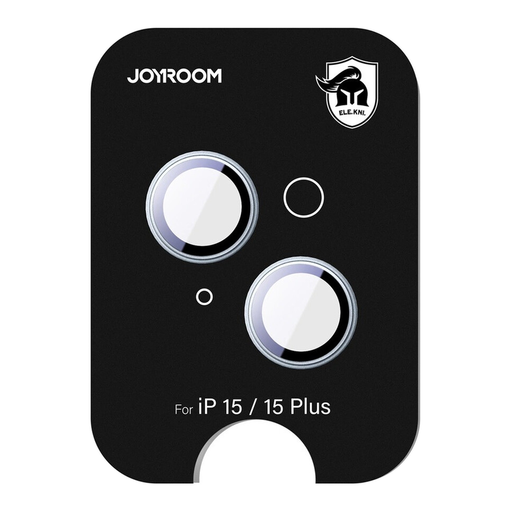
Why this product suits this profile: This product is designed for people who want to protect their camera lenses, as well as their display, from dust, fingerprints and minor everyday damage.
Compatibility is limited to the iPhone 15 and iPhone 15 Plus. This avoids a common ordering mistake: a camera lens protector for these models will not automatically fit Pro variants.
Precision fit, high transparency, blue finish and bubble-free, residue-free removal according to the product description.
We have compiled a complete, regularly updated list of products that fully meet these strict selection criteria and the safety regulations applicable in the EU.
Its lifespan depends on usage, case fit and impacts. The glass should be replaced if visible cracks, chipped edges or lifting areas appear. An oleophobic coating may wear down with regular cleaning; harsh cleaners and abrasive cloths should be avoided.
Yes, provided that the display is clean and free from dust. Installation aids such as EZ-Fit or Align-Master frames make positioning easier. Small air bubbles can often be smoothed towards the edge. Dust trapped beneath the glass, however, may remain visible permanently and should be removed before installation wherever possible.
That depends on how you use it. If you often carry your iPhone with keys, sand or other hard objects, you may wish to consider a camera lens protector for iPhone. Exact model compatibility, sufficient transparency and a precise fit are important. The protector is not a substitute for handling the camera carefully.