
Lieferung heute & morgen

Qualitätsgarantie

Willkommens-Angebote freischalten: KOSTENLOSE Lieferung | Bis zu 80 % RABATT | Kostenlose 30-Tage-JoyPlus-Testphase
App herunterladen
A screen protector for the iPhone 15 or iPhone 16 may look like a simple accessory at first glance. In practice, however, the model number, cut-outs, edge design and installation aid determine whether the protector stays securely in place over time. Even apparently suitable iPhone 15 tempered glass may be unsuitable if it is intended for the Pro, Plus or standard version.
The term 9H screen protector primarily describes the scratch resistance of the surface according to a specific hardness scale. It does not mean that the glass will remain undamaged after every fall. iPhone tempered glass can also break under heavy pressure or impact.
A screen protector therefore mainly reduces the risk of scratches, scuffs and everyday surface damage. For protection against drops, a suitable protective case and a raised edge around the display remain important.
Although the iPhone 15 and iPhone 16 have similar display dimensions, buyers should still look for the explicitly stated model compatibility. Differences in the shape of the casing, speaker area and display edge can mean that a protector does not sit precisely.
Check the following before buying:
An installation frame can make alignment easier, but it cannot replace dust-free preparation. Even a single speck of dust can cause a visible bump. Finger grease can also affect adhesion.
Installation is generally more reliable if you:
Tempered glass is less susceptible to scratches during everyday use than basic plastic films. The 9H rating is a useful point of comparison, but it should not be regarded as a guarantee against a cracked display. Claims about break or shatter resistance are also not automatically equivalent to safety glass for other applications.
An oleophobic or nano coating can make cleaning easier and reduce the adhesion of finger grease. However, it does not prevent fingerprints entirely. For frequent typing, navigation or gaming, a smooth surface is particularly practical because it makes swiping across the display less difficult.
A case-friendly screen protector leaves a small gap around the edge of the casing, so that the protective case does not get underneath the glass. An ultra-wide fit, on the other hand, covers a larger area of the display. The key point is that the particular case must not lift the edges.
When considering transparency, look for clear information about visibility, touch sensitivity and Face ID compatibility. A heavily tinted iPhone privacy screen protector can limit viewing from the side, but depending on the viewing angle, it may alter brightness and how content appears.
A screen protector covers the front of the phone. If required, the camera lenses need their own iPhone camera lens protector. This should sit precisely over the camera module and must not cover the lenses. For users who often place their iPhone on tables without a protective case, a separate iPhone camera lens protector may be a sensible choice.
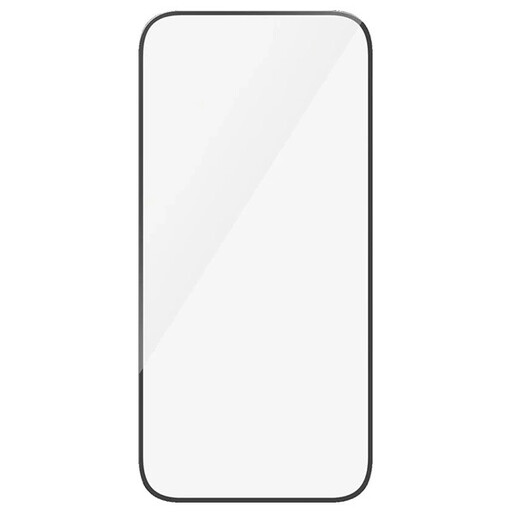
Why this product suits this profile: The Ultra Wide Fit covers a larger area of the display and, according to the product details, is compatible with many protective cases. The oleophobic anti-fingerprint coating is designed for everyday use.
The iPhone 16/15 model information and the note about case compatibility help prevent you from choosing a protector that is too small or lifted by the case.
Tempered glass, Ultra Wide Fit, oleophobic coating and, according to the supplier, bubble-free installation.
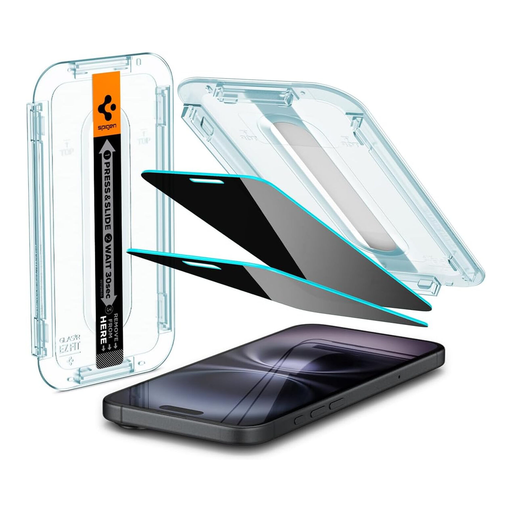
Why this product suits this profile: The integrated privacy filter limits visibility from side angles. Two screen protectors and an installation aid are practical for users who often use their smartphone while travelling or in public spaces.
The compatibility information for iPhone 15 and iPhone 16, together with the EZ-Fit adapter system, reduces the risk of applying the protector crookedly. The side-view privacy feature is clearly identified as a filter function.
9H hardness rating, privacy function, case-friendly design and two protectors per pack.
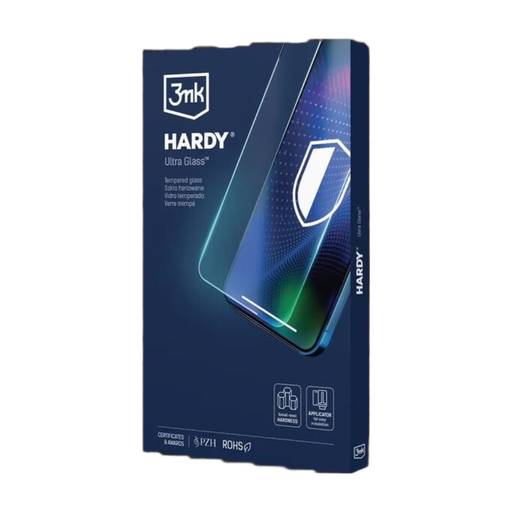
Why this product suits this profile: The model information covers iPhone 15 and iPhone 16. Technologies such as the basalt coating and DiamondView HD are relevant to buyers who want to compare specific material and display characteristics.
The product description names the technical coatings specifically, rather than simply advertising “strong protection”. Installation is carried out step by step using the cleaning kit and card.
Face ID compatibility according to the supplier, DiamondView HD technology and an additional antimicrobial layer according to the product details.
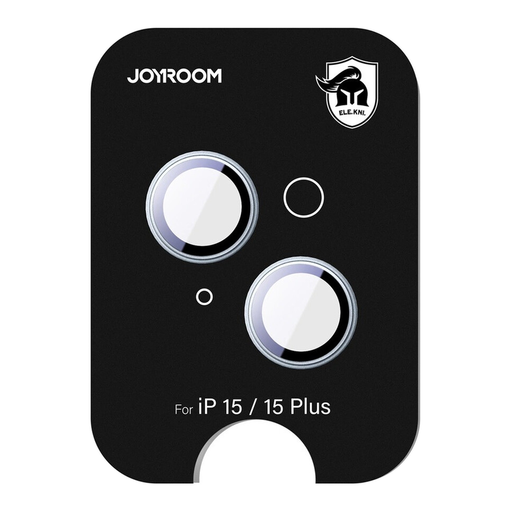
Why this product suits this profile: The protector is designed for the rear camera lenses of the iPhone 15 and iPhone 15 Plus. The blue version also adds a distinctive accent to the camera module.
The clear restriction to iPhone 15 and 15 Plus prevents confusion with Pro models. A precise fit matters more than a general claim of universal compatibility.
Protection against scratches, dust, fingerprints and minor impacts according to the product details; transparent design with blue detailing.
We have put together a complete, regularly updated list of products that fully meet these strict selection criteria and the safety regulations applicable in the EU.
Install the screen protector in a room with as little dust as possible. The iPhone should be switched off or at least locked during the process. Do not place the glass on the display repeatedly, as the adhesive layer may pick up dust after removal. Cracked or badly chipped glass should be replaced, even if the display continues to respond.
With a two-pack, such as the Spigen ALM Glass FC Tempered Glass for iPhone 15, a replacement protector is included. According to the description, the product features 9H hardness, 2.5D edges, a nano coating and an Align-Master installation frame. For Pro models with multiple camera lenses, a specially designed Spigen Glas.tR EZ Fit camera lens protector may be more suitable than one intended for the standard model.
Only if the manufacturer explicitly lists both models. Dimensions and cut-outs may differ between the standard, Plus and Pro versions. The model list on the product page is therefore more important than a similar display size.
That depends on usage, the case, contact with keys and drops. The glass should be replaced if there are visible cracks, chipped edges or reduced adhesion. It is not possible to give a reliable fixed lifespan for all users.
A suitable privacy protector is generally designed for touch operation. However, the side-view filter may darken the display when viewed from an angle. If you often look at photos, videos or maps with other people, you should consider this compromise before buying.