
Lieferung heute & morgen

Qualitätsgarantie

Willkommens-Angebote freischalten: KOSTENLOSE Lieferung | Bis zu 80 % RABATT | Kostenlose 30-Tage-JoyPlus-Testphase
App herunterladen
A new iPhone 16 Pro should remain free from scratches, fingerprints and visible signs of wear for as long as possible in everyday use. The right iPhone 16 Pro screen protector can help protect the display surface during daily use. However, tempered glass, privacy glass and camera lens protectors differ considerably in terms of construction, fit and handling.
If you only look for terms such as “9H”, “ultra-thin” or “bubble-free”, you may overlook important details. Three common buying misconceptions are particularly likely to lead to disappointment:
An iPhone 16 Pro tempered glass screen protector is usually made from toughened glass. The 9H rating indicates the surface hardness and therefore its resistance to everyday scratches. Keys, coins or friction inside a bag can still put the surface under strain, particularly if sand or dust gets between the items.
Toughened glass for iPhone 16 Pro is a practical choice for many users because it provides a firm, smooth surface. The protector should be replaced if it breaks or develops a significant crack. Otherwise, glass shards and sharp edges may affect usability or make removal uncomfortable.
High light transmission is important if you want photos, videos and text to remain just as clear as before. When choosing a protector, look for terms such as transparent, High Definition or high light transmission. These descriptions indicate the intended product properties, but do not guarantee the same experience for every individual user.
Touch response is equally important. A correctly fitted screen protector should not noticeably hinder operation. Dust, bubbles or incomplete adhesion, on the other hand, can reduce both the feel and visibility of the screen.
A fingerprint-resistant surface is often based on an oleophobic or hydrophobic coating. It can reduce the adhesion of oil, sweat and fingerprints. However, the coating will wear down over time as a result of intensive cleaning and daily friction.
You should also look for:
An iPhone 16 Pro privacy screen protector can be useful for commuters, office workers and people who use their phones in public places. It restricts the viewing angle from the side. In return, the image may appear darker when viewed from an angle. If you often share content with others, you should take this compromise into account.
The following products are organised according to specific usage situations. Details such as material, hardness rating and compatibility correspond to the respective product descriptions.
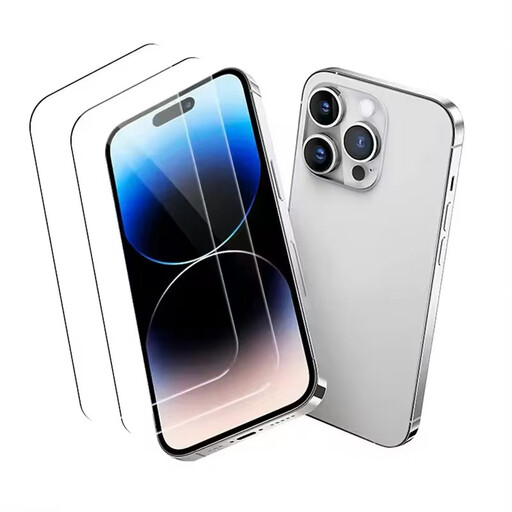
Why this product suits this profile: This protector is aimed at users looking for clear screen protection with essential everyday features and an included installation aid.
The description specifies 9H hardness, an anti-fingerprint coating and intended bubble-free installation. This helps you assess the product without equating 9H with complete drop protection.
Toughened glass with a 9H rating, high transparency and intended compatibility with protective cases.
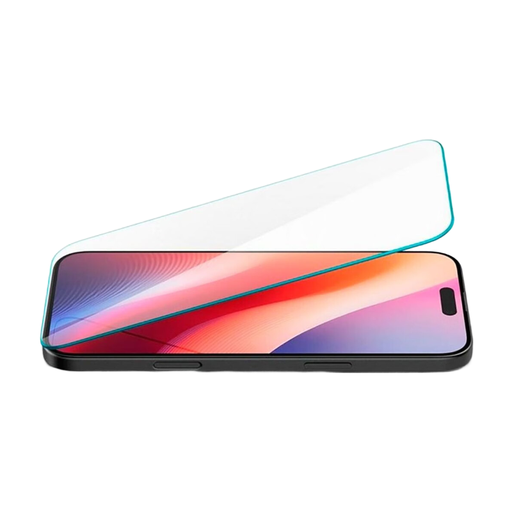
Why this product suits this profile: Its slim design is made for users who prefer a discreet solution with a clear display and straightforward installation.
The specified 0.2 mm thickness and anti-smudge coating address two common problems: unnecessary bulk and a surface that quickly becomes dirty.
9H glass, slim profile, anti-fingerprint coating and installation kit according to the product description.
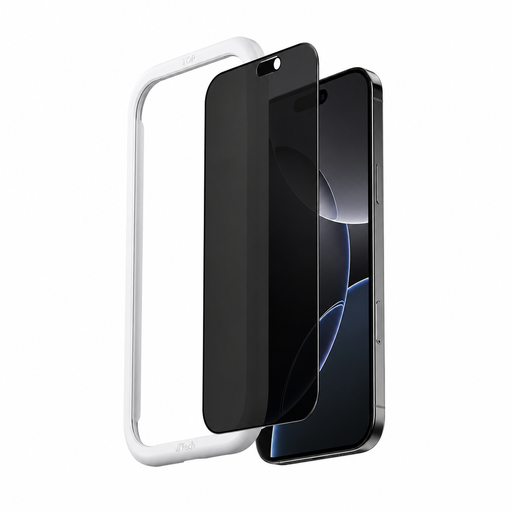
Why this product suits this profile: Ideal for commuters and professionals who want to make messages, passwords and work content less visible when they are out and about.
The product description mentions side-view darkening, 9H hardness, as well as anti-fingerprint and dust-protection features. The possible compromise is a darker image when viewed from an angle.
Privacy function, toughened glass and included installation aid; according to the product description, it is designed for the iPhone 16 Pro.
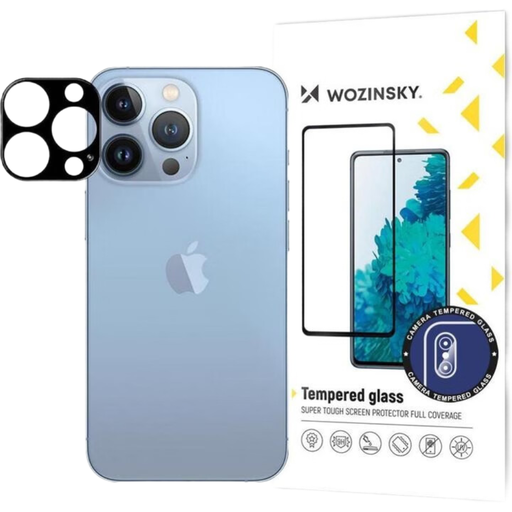
Why this product suits this profile: Suitable for people who take photos frequently and want to protect the raised camera module from scratches, dust and minor everyday impacts.
Clearly identifying it as a camera lens protector prevents it being confused with a screen protector. If it cracks, the glass should be replaced rather than used further.
0.20 mm-thin 9H glass, full-frame design and intended clear image transmission according to the product description.
We have put together a complete, regularly updated list of products that fully meet these strict selection criteria and the safety regulations applicable in the EU.
A bubble-free installation depends less on marketing claims than on proper preparation:
The same process applies when fitting a camera protector. An iPhone 16 Pro camera lens protector should sit precisely on the module, must not cover the flash or sensors and should not be exposed to water or strong friction immediately after installation.
Its lifespan depends on usage, friction, drops and the condition of the coating. Visible cracks, chips, lifting edges or reduced adhesion indicate that it is time for a replacement. Without knowing how the protector is used, it is not possible to give a reliable fixed lifespan.
A privacy screen protector can restrict the viewing angle from the side. As a result, content often appears darker when viewed from an angle. If you frequently look at the screen together with other people, consider a transparent screen protector without a privacy layer.
No. Even products described as case-compatible may overlap with particularly tight-fitting third-party cases. After installation, check whether the case puts pressure on the edges or lifts the glass.