
Lieferung heute & morgen

Qualitätsgarantie

Willkommens-Angebote freischalten: KOSTENLOSE Lieferung | Bis zu 80 % RABATT | Kostenlose 30-Tage-JoyPlus-Testphase
App herunterladen
An iPhone tempered-glass screen protector is designed to protect the display from scratches, abrasion and minor impacts during everyday use. At the same time, many users expect a clear image, reliable touch response and installation without visible air bubbles. However, choosing the right product requires more than relying on bold marketing claims.
Especially with Pro and Pro Max models, inaccurate cut-outs, insufficient edge coverage or a poorly matched adhesive surface can affect usability. Before buying, it is therefore worth checking the exact model compatibility, the installation system and the features you actually need.
The label 9H tempered glass usually refers to a hardness rating based on a pencil hardness test. It may indicate improved resistance to everyday scratches, but it does not guarantee protection against every drop or strong lateral impact. Tempered glass can still break under heavy stress.
An iPhone 16 screen protector is not automatically suitable for the iPhone 16 Pro or iPhone 16 Pro Max. Display size, frame dimensions, speaker cut-out and camera area may differ. The same applies to the iPhone 15 screen protector, iPhone 17 Pro screen protector and iPhone 17 Pro Max screen protector.
Before purchasing, the exact iPhone model should be listed in the offer’s technical specifications. Statements such as “for iPhone 15/16” should be checked carefully, as they may apply only to specific variants depending on the design.
A privacy screen protector can restrict visibility from the side. This is useful on trains, in the office or at a café, but it may affect brightness and readability when viewed off-axis. Users who frequently edit photos or share content with several people may be better served by a clear protective glass.
A suitable iPhone screen protector should neither extend beyond the display edges nor push the case upward. A case-friendly screen protector leaves a small gap around the perimeter, preventing the case edges from catching underneath the glass.
The design is particularly important for displays with curved or heavily rounded edges. Terms such as “2.5D Full Screen”, “Ultra-Wide Fit” or “Full Cover” describe the coverage, but they do not replace checking the exact model number.
In addition to the frequently cited 9H hardness rating, the surface and coating are also important. A scratch-resistant screen protector with an oleophobic or hydrophobic layer can make fingerprints and skin oils less noticeable. This does not mean that the surface will remain permanently free of dirt.
A slim design, such as one measuring approximately 0.33 mm, can support touch responsiveness and case compatibility. The manufacturer’s stated specifications are decisive. If the glass breaks, it should be removed carefully and replaced.
A bubble-free installation depends heavily on proper preparation. Dust particles trapped between the display and the glass are a common cause of small inclusions. Alignment frames, applicators and installation trays make positioning easier.
Full-glue models feature an adhesive layer across the entire surface. According to the product description, electrostatic-adhesion variants do not use a conventional adhesive layer and can usually be removed without residue. In both cases, the display should be cleaned thoroughly before installation.
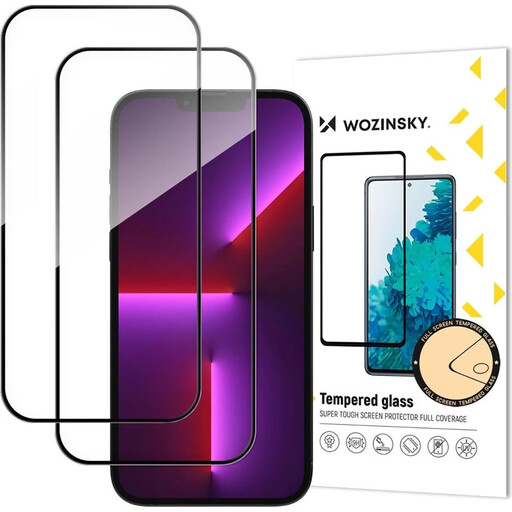
Why it’s a good fit: The two-pack includes a spare protector, making it a practical choice for users who rely on their iPhone 17 Pro every day and want another installation option available.
The product data explicitly specifies iPhone 17 Pro compatibility, 9H glass, a full-glue adhesive surface and case compatibility. This makes it easier to assess the choice accurately.
Two protectors per pack, 9H hardness, a black border and included installation aids for a virtually bubble-free application.
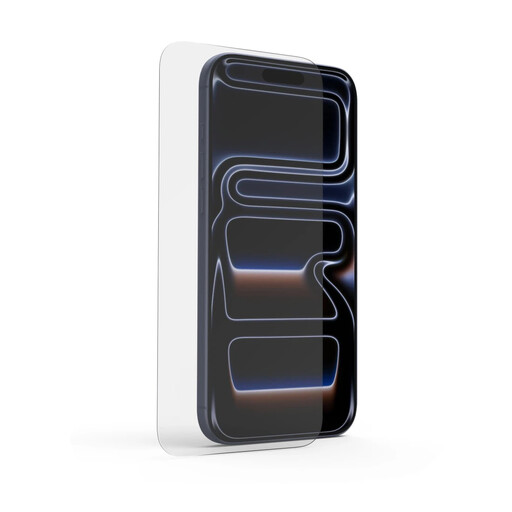
Why it’s a good fit: Designed for professionals and heavy users looking for a transparent full-cover solution with an installation aid and case-friendly design.
The product description distinguishes between clear HD viewing, 9H hardness, dimensions and compatible models. This makes verification easier than relying on a blanket protection claim.
Electrostatic attachment, 0.33 mm thickness according to the supplier, an anti-fingerprint coating and EcoFrame installation aid.
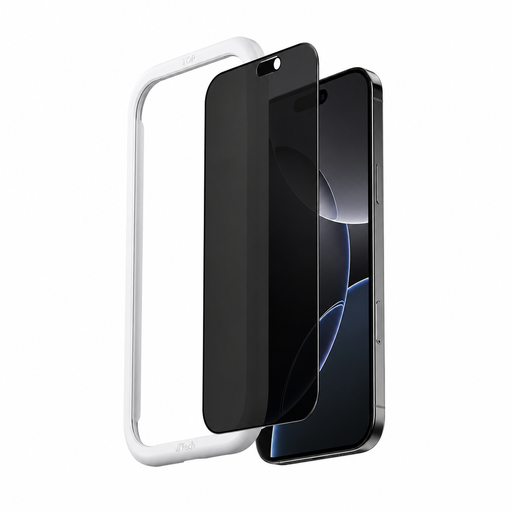
Why it’s a good fit: This privacy design is aimed at people who want to make messages, login details and professional content less visible while on the move.
The supplier points out that side visibility is restricted and brightness may be reduced. This trade-off should be accepted consciously before purchase.
360-degree privacy rating, 9H glass, an anti-fingerprint coating and an applicator for one-click installation, according to the product description.
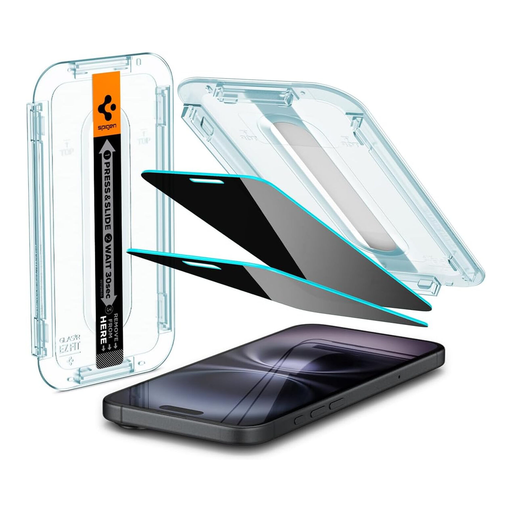
Why it’s a good fit: A two-pack with an alignment tray is appealing to users who want guided installation alongside side-view privacy.
The product data lists the supported models, 9H hardness, pack contents and the adapter. This allows the choice to be checked against your own iPhone before ordering.
Installation adapter, squeegee, two protective glasses, case-friendly design and a privacy function according to the manufacturer.
Explore the full selection to compare model compatibility, glass type, installation aids and the additional features you need.
For the cleanest possible application, follow these steps:
Installation should be carried out in an environment with as little dust as possible. Damaged glass should be replaced. Small accessories should be kept out of the reach of children under three years of age.
Its service life depends on scratches, impacts, pressure on the edges and everyday use. It is not possible to provide a reliable fixed timeframe. The protector should be replaced as soon as cracks, chips or lifting edges become visible.
A privacy protector can be useful for commuters, offices and public spaces. However, side readability is intentionally reduced. If you frequently view content with other people or prefer unchanged brightness, choose an HD-clear screen protector without a privacy filter.
No. Compatibility depends on the glass edges, coverage and case design. Look for the term “case-friendly” and compare your exact iPhone model with the specifications in the product listing.