
Lieferung heute & morgen

Qualitätsgarantie

Willkommens-Angebote freischalten: KOSTENLOSE Lieferung | Bis zu 80 % RABATT | Kostenlose 30-Tage-JoyPlus-Testphase
App herunterladen
Published on: 2026-07-10 By: Joybuy Product Recommendation Officer
The recurring process of hair removal through shaving, waxing, or epilating can be time-consuming and sometimes uncomfortable. Many are therefore seeking a long-lasting solution for smooth skin without the cost and hassle of regular salon visits. An IPL hair removal device for at-home use is a modern alternative. These devices use pulses of light to slow down hair growth.
This article serves as a guide. It explains how IPL technology works, highlights key criteria for selecting a device, and presents a selection of models with different features to help you make an informed decision.
The choice of the right device depends on individual factors. The following points will help you evaluate the features of different models.
IPL (Intense Pulsed Light) technology works by having light energy absorbed by the melanin (the pigment) in the hair. This energy is converted into heat, which damages the hair follicle and slows down regrowth.
Because of this mechanism, the method is most effective for individuals with light to medium skin tones and dark hair. The high contrast between skin and hair allows the device to target the hair root precisely. With very dark skin, there is a risk that the skin will absorb too much light energy. With very light (blonde, red, grey, white) hair, there is not enough melanin for the light-based device to be effective. Many manufacturers provide a chart of suitable skin and hair types (often based on the Fitzpatrick scale).
Safety is a key consideration for at-home IPL treatment. Modern devices come with various protective features:
Consider which body areas you want to treat. While some devices are designed as an all-in-one solution for the entire body, others come with special attachments for sensitive or hard-to-reach areas like the face, bikini line, or underarms.
The size of the treatment window and the frequency of the light pulses determine the speed of the application. A larger window and a glide mode, which delivers continuous flashes, can significantly shorten the treatment time for large areas like the legs.
Based on the criteria above, we have compiled a selection of devices that cover different technologies and use cases.
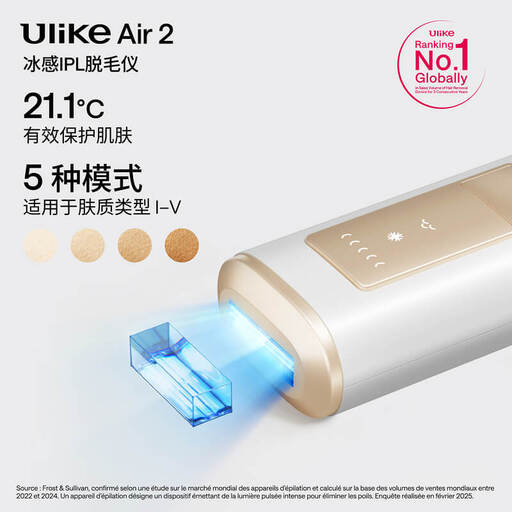
Why it stands out: This model focuses on a comfortable experience with its patented sapphire ice-cooling technology, designed to minimise the sensation of heat on the skin.
Pros:
Who is it for? Users who prioritise a low-pain treatment and are looking for a straightforward device for various body areas, from face to legs.
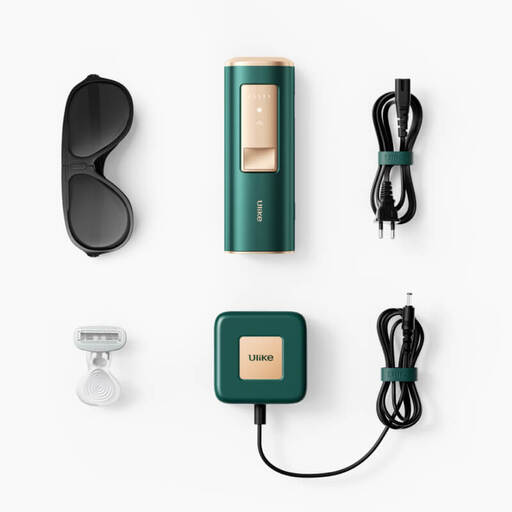
Why it stands out: This model combines the well-known cooling technology with five preset modes specifically tailored to the needs of different body parts.
Pros:
Who is it for? Users who prefer an all-in-one hair removal device without interchangeable attachments and appreciate the simplicity of preset treatment modes.
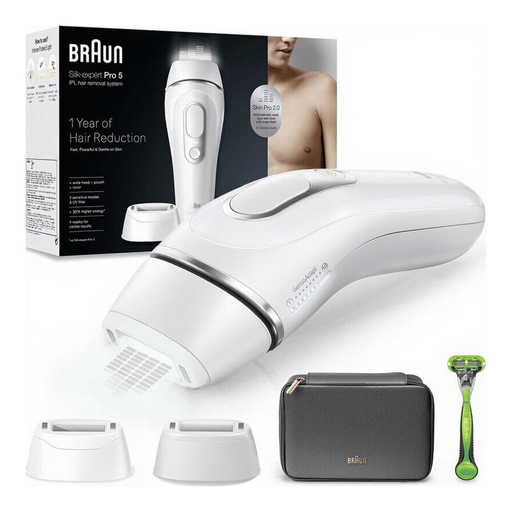
Why it stands out: The key feature of this device is its SkinPro 2.0 (SensoAdapt) technology, which continuously reads your skin tone and automatically adjusts the light intensity to strike a balance between safety and efficacy.
Pros:
Who is it for? Users who want an automated treatment adapted to their skin tone for an optimised experience and who value accessories for precise treatments.
The models featured here offer a glimpse into the available technologies for permanent hair removal at home. If you want to compare more devices or discover other models that fit your specific needs, you can find a wider selection in our comprehensive category.
Discover All Laser Hair Removal Devices
Pain perception is subjective. Most users describe the sensation as a warm tingle or like a rubber band snapping against the skin. Devices with integrated cooling technology are specifically designed to minimise this feeling and make the treatment more comfortable.
Results appear gradually. Permanent hair removal is not achieved overnight. Typically, an initial treatment phase of several weeks is recommended, with regular sessions (e.g., once a week). During this time, hair growth will gradually slow down, and the hair will become finer. Afterwards, less frequent maintenance treatments are sufficient to maintain the results, such as smooth legs.
Both methods target the melanin in the hair follicle. The main difference lies in the type of light source. Laser hair removal uses a single, highly concentrated wavelength, whereas IPL (Intense Pulsed Light) uses a broad spectrum of light waves. For home use, IPL technology is more common as it allows for faster coverage of large areas with a larger treatment window and is designed as a safe alternative to laser hair removal for non-professional use.