Patch and appliqué enthusiasts
If you mainly apply small designs or work close to seams, the size of the heating surface, material compatibility and control over how you use the appliance matter more than its steam output.


For small fabric patches and hard-to-reach areas, a mini heat press or mini craft iron lets you work with greater precision, as long as its heating surface and temperature settings suit the patch and fabric. If you also want to use the same appliance regularly to smooth individual garments, a steam iron with a dry-ironing option is more versatile. The instructions for each patch will tell you whether you can use steam; Dortex recommends ironing its transfers without steam.
If you mainly apply small designs or work close to seams, the size of the heating surface, material compatibility and control over how you use the appliance matter more than its steam output.
If you iron a few garments after a repair or from time to time, consider whether an everyday iron can handle both tasks.
A precision tip can be useful for narrow hems and small appliqués. The key question is whether you regularly do this kind of work as well as applying patches.
| What you're buying for | What to check | Who will value this? |
|---|---|---|
| Applying patches precisely | Compare the patch instructions and fabric care label, the heating surface size in relation to the design, and the available temperature settings. | If I apply small designs or patches close to seams, I need a surface that’s easy to manoeuvre precisely and suits the size of the design. Around 36% of consumers prioritise applying patches accurately and in a way that’s suitable for the material. |
| Frequent, quick touch-ups | Check the weight, whether it has a safe rest position and the stated heat-up time. Also check whether you can use it without steam. | If I often iron just a few items, I want an appliance that’s easy to use for quick jobs. Around 29% of consumers mainly value being able to iron small loads with minimal effort. |
| One appliance for two tasks | Consider whether it can be used for dry ironing, the shape of the soleplate and the maintenance needed for its steam system. | If I want to work on individual garments as well as suitable patches, one appliance could handle both tasks. Around 21% of consumers prioritise this versatility. |
| Protecting the fabric and your workspace | Check the care label and patch instructions. Also check the temperature settings, rest position and, where applicable, the specific model’s automatic shut-off function. | If my fabric is sensitive to heat or I need to put the appliance down frequently, I want to make sure its temperature settings and handling suit the material and my workspace. Around 14% of consumers prioritise protecting the material and choosing an appliance that’s easy to handle. |
An iron’s steam output doesn’t tell you whether it’s suitable for applying a particular patch. Dortex recommends using dry materials and ironing without steam in its instructions for iron-on transfers.
Before you start, compare the patch instructions with the fabric care label. Use steam only if the relevant instructions allow it.
If you apply a patch incorrectly, you may need to attach it again.
According to Cricut, the Cricut EasyPress Mini LT has a setting of up to 180 °C; the EasyPress Mini has three settings to choose from. No single setting is automatically right for every patch and fabric.
Check the instructions for your specific patch and fabric, then choose a model with settings to suit them.
The Prym Mini Steam Iron is available in different country-specific versions, so it’s important to check the exact model before you buy.
For a mini iron, check the plug and voltage details for the version on offer.
Prym describes its Mini Steam Iron as an appliance for detailed sewing projects. For the Euro Schuko version 611915, the manufacturer specifies an ironing surface of 130 × 75 mm.
Cricut describes the EasyPress Mini as a heat press for small heat-transfer projects. The LT version has a setting of up to 180 °C, while the EasyPress Mini has three settings.
Clover describes the Mini Iron II, EU version 8003EU, as an appliance for small areas and craft projects.
Braun describes the FreeStyle 3 FI 3194 BK as a steam iron that could also suit small ironing loads.
Philips describes the 3000 Series DST3041/80 steam iron as suitable for smaller loads of clothing, too.
The Joybuy products below are designed for small textile projects, heat transfers or quick ironing jobs. Always check the material and usage instructions before applying a patch.
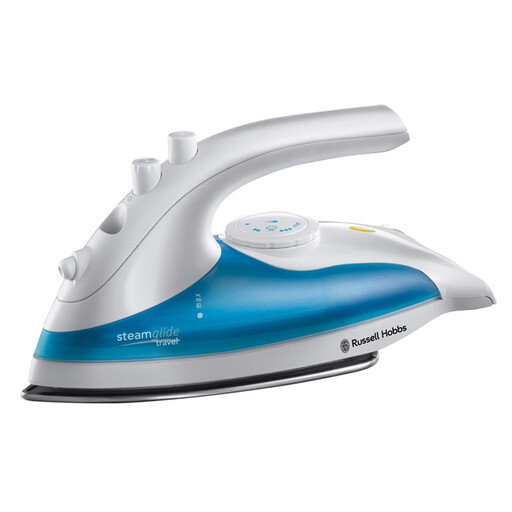 No image available
This model is presented as a travel iron for quick jobs on the go. Check that it suits the material instructions if you’re using it for patches.
Dual voltage; 1.5 m.
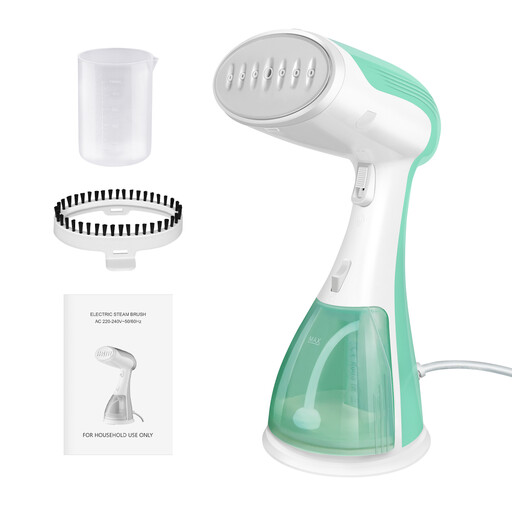 No image available
The product details describe it as suitable for garment care on the go and ironing on a flat surface. Check the patch instructions before using it for this purpose.
1500W.
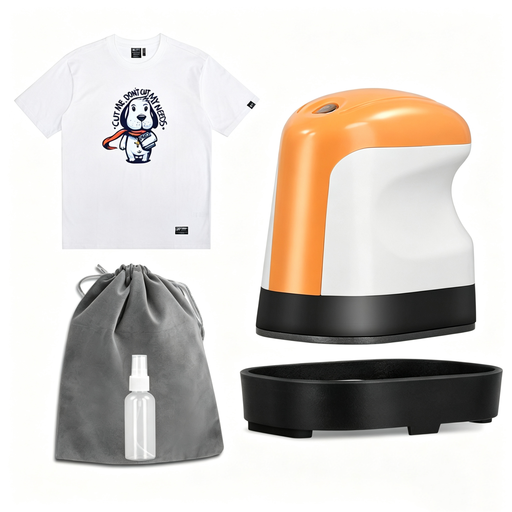 No image available
This mini iron is presented as suitable for DIY embroidery and heat transfers onto fabric. Do the temperature and method match the instructions for your material?
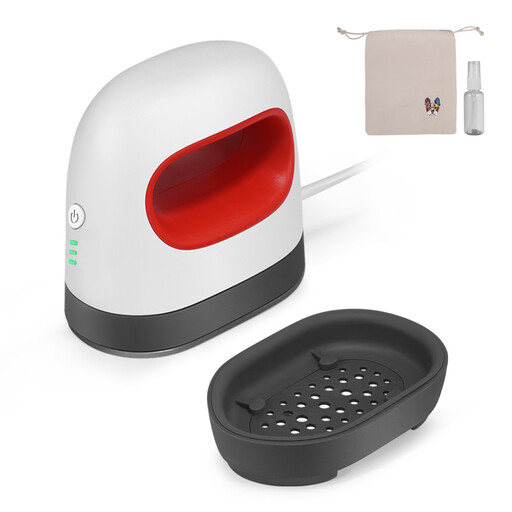 No image available
This compact heat press is presented as suitable for small or hard-to-reach transfer areas. Choose a setting that suits the patch and fabric.
Heating plate: 10.6 × 6.2 cm; three temperature settings; insulated base.
 No image available
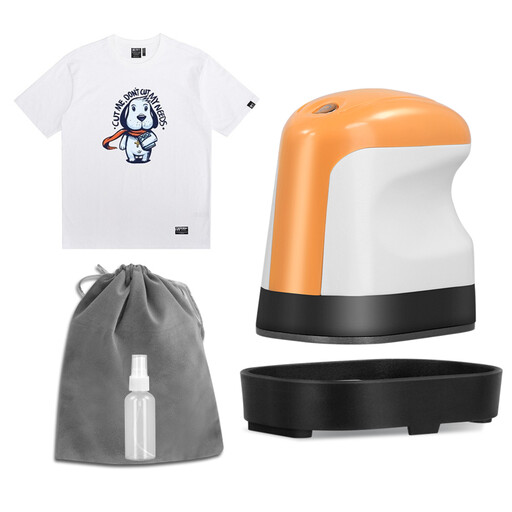
This mini heat press is presented as suitable for small DIY textile projects. Before use, check that its temperature settings suit the patch and fabric.
Three heat settings; automatic shut-off.
Not necessarily: the instructions for the specific patch are what matter. Dortex recommends using dry materials, a pressing cloth and no steam in its instructions for iron-on transfers. These directions don’t automatically apply to every patch.
No, the temperature needs to suit both the patch and the fabric. Cricut recommends matching the heat-transfer material to the base material to choose suitable settings. Also follow the care label and the patch instructions.
Follow the descaling instructions for your specific model. Philips notes that limescale can build up more quickly in hard water. This doesn’t mean there’s one descaling schedule that applies to every brand.
No. Statutory consumer rights cover faults and apply against the seller; a warranty is an additional voluntary offer with its own terms. Check the seller and warranty terms separately.
In the EU, products must comply with the product safety rules that apply to them; products covered by the relevant rules must carry a CE marking. This is the manufacturer’s declaration that the product complies with applicable EU requirements, not an independent safety guarantee.