Precision ironing for cuffs
If you mainly want to press cuffs and narrow areas of shirts, an easy-to-manoeuvre tip and a suitable ironing surface are important things to consider. Braun lists a precision tip for its TexStyle 3 series.


For sharply pressed cuffs, a steam iron with an easy-to-manoeuvre tip and a stable ironing surface that can be stored away neatly is a good choice. A handheld garment steamer is better suited to a quick refresh without an ironing board. A steam generator iron is worth considering if you regularly have larger loads of washing and have room for its base.
If you mainly want to press cuffs and narrow areas of shirts, an easy-to-manoeuvre tip and a suitable ironing surface are important things to consider. Braun lists a precision tip for its TexStyle 3 series.
If you can’t leave an ironing board set up all the time, plan for the space needed to use and store the iron, ironing surface and a safe place to rest it. Leifheit describes its sleeve board as foldable.
If you only smooth out shirts occasionally, consider whether a garment steamer without an ironing board will be enough, or whether you need an iron soleplate to press cuffs firmly. Philips says that garment steamers are not a substitute for an iron when it comes to thicker cotton and linen shirts.
A good choice if: you want to press cuffs and areas around buttons precisely with an iron soleplate.
Bear in mind: the iron, ironing surface and a safe place to rest it each need space.
A good choice if: you want to freshen up lighter garments while they’re hanging, without using an ironing board.
Bear in mind: Philips says a garment steamer cannot replace an iron for thicker cotton or linen shirts.
A good choice if: you regularly have larger loads of washing as well as shirts to iron.
Bear in mind: the base and water tank need extra space for use and storage.
A good choice if: storage space is limited and you only iron small areas.
Bear in mind: check that the soleplate and steam output are suitable for the finish you want.
| What you need | What to look for | Who it matters to |
|---|---|---|
| Press cuffs precisely | Check the shape of the tip, how easily it moves around buttons and whether the ironing surface is stable and suitable. | If I want to guide the soleplate precisely over narrow areas of a shirt, the shape of the tip and the support surface matter to me. Around 31% of consumers prioritise precise pressing. |
| Work surface and storage space | Consider the space needed to set up the full solution, rest the iron safely and store everything away. | If I iron in a small flat, I need to be able to set up the whole solution safely and put it away afterwards. Around 31% of consumers pay particular attention to how much space it takes up. |
| Different shirt fabrics | Check the care label against the temperature and steam settings of the specific appliance. | If I iron shirts made from different fabrics, I follow the care instructions for each garment. Around 19% of consumers prioritise choosing the right treatment for different fabrics. |
| Quick, occasional smoothing | Decide in advance whether a quick refresh is enough or whether you want sharply pressed cuffs. | If I only freshen up shirts occasionally, I want to keep preparation to a minimum without losing sight of the finish I’m after. Around 19% of consumers prioritise quick, occasional use. |
Safe ironing also requires a suitable ironing surface and somewhere to rest the hot iron.
Allow space for the iron, ironing surface and a safe place to rest it, both while you’re using them and when you put them away.
An extra ironing surface also takes up space and needs to be stored.
Freshening clothes without a board and firmly pressing thicker shirt fabrics are two different tasks. Philips notes that garment steamers cannot replace an iron for thicker cotton and linen shirts.
Choose a garment steamer for a light refresh. If you want sharply pressed cuffs, consider an iron with a suitable ironing surface.
The correct way to iron a shirt depends on its care instructions. A setting for ironable fabrics does not apply to textiles that must not be ironed.
Read the care label before ironing and follow the appliance instructions too. GINETEX links the ironing temperature to the care symbol, not just the type of fibre.
The TexStyle 3 series is worth considering if you’re looking for a steam iron with a precision tip. The features listed relate to the series or the SI 3055 BK model.
The Ultimate Pure FV9844 is a steam iron with a precision tip. The Express Easy SV6140 is a different style, with a separate steam generator base.
The One Temperature 25090-56 is designed for consumers who don’t want to change the temperature setting when ironing fabrics that can be ironed.
The Azur 8000 DST8020/20 is a steam iron with automatic temperature control. Philips also offers garment steamers for a different way of ironing.
This selection includes compact irons and steam irons with soleplates for smaller areas of shirts. You’ll also need a suitable ironing surface to press cuffs firmly.
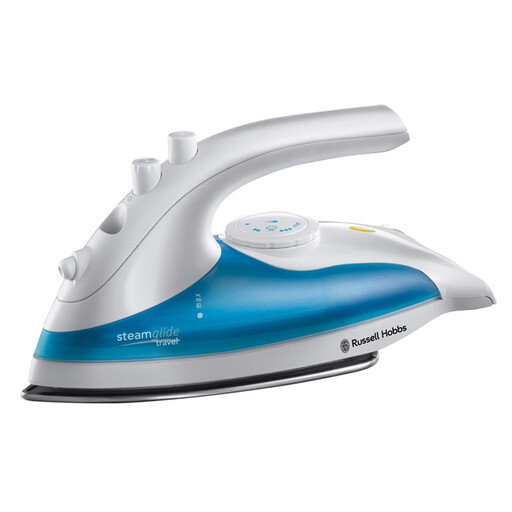 No image available
This compact travel iron could be suitable for occasional ironing of smaller areas of shirts. Check that the soleplate is right for your cuffs.
Dual voltage; 80-ml tank; 1.5-m cable; stainless steel soleplate.
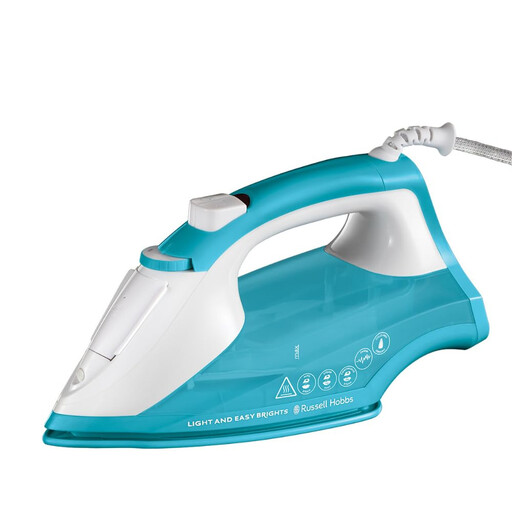 No image available
A steam iron with a ceramic soleplate is an option if you want to press cuffs on a suitable ironing surface.
Automatic steam function; self-cleaning; anti-scale system.
 No image available
The soleplate is suitable for consumers who want to press cuffs on an ironing surface; remember to allow for the surface separately.
2400 W; dry ironing; spray function; vertical steam; multiple temperature settings; automatic cleaning function; anti-drip function.
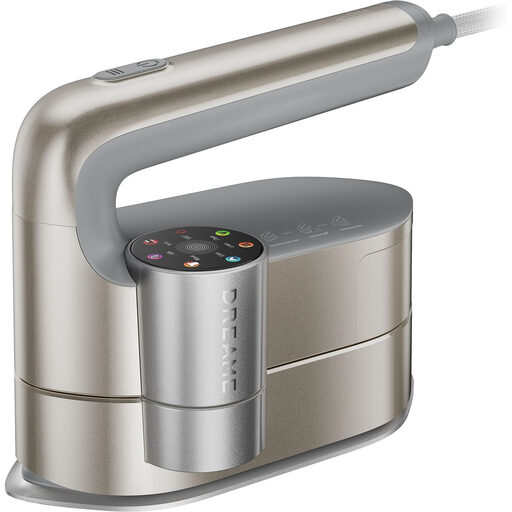 No image available
The rotating soleplate may appeal if you’re looking for a compact appliance that’s easy to store. Check that it’s easy to manoeuvre over the areas of your shirts you want to iron.
90° rotating soleplate; 1.07 kg; steam and dry ironing modes.
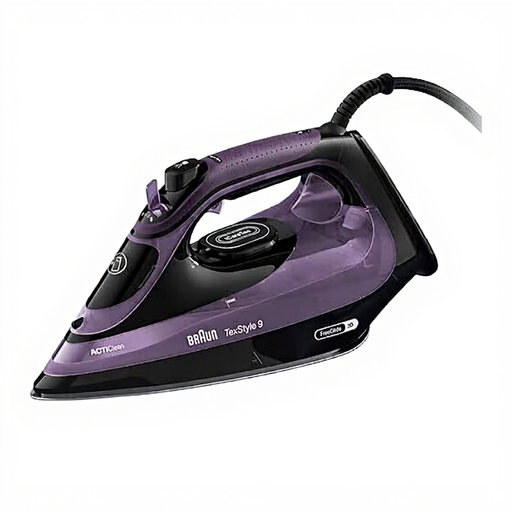 No image available
The precision tip makes this model an option for narrow areas of shirts. You’ll also need a suitable ironing surface for cuffs.
iCare temperature setting; anti-drip function; automatic shut-off; vertical refresh.
For sharply pressed cuffs, an iron with a suitable ironing surface is the better choice. Philips specifically distinguishes garment steamers from irons when it comes to thicker cotton and linen shirts; a garment steamer may be enough for a light refresh.
Place the sleeve board on a flat surface and allow for a separate, suitable place to rest the hot iron. For the sleeve board described, Leifheit advises against using it on an uneven surface or resting the iron on its cover.
No. Follow the care label for each shirt. A manufacturer’s recommended setting for ironable fabrics does not apply to textiles whose care instructions say not to iron them.
Statutory consumer rights generally apply against the seller; for consumer purchases of new goods, the period is generally two years. A manufacturer’s guarantee is an additional voluntary offer with its own terms. The Verbraucherzentrale also explains that, for sales contracts from 31 July 2026, the statutory rights period is extended once by twelve months if you choose repair when a product is faulty.
No. For mains-powered irons covered by the EU Low Voltage Directive, the required CE marking is the manufacturer’s declaration that the product meets the relevant requirements, not a central EU approval. Check the marking and the details in the specific listing. The European Commission and the European Union explain this distinction.