
Lieferung heute & morgen

Qualitätsgarantie

Willkommens-Angebote freischalten: KOSTENLOSE Lieferung | Bis zu 80 % RABATT | Kostenlose 30-Tage-JoyPlus-Testphase
App herunterladen
Choosing a car seat is one of the most important decisions for your child's safety in a vehicle. However, the market can be overwhelming and is filled with technical jargon. The i-Size standard (UN R129) in particular has set new benchmarks that raise questions for many parents. As your Joybuy Product Recommendation Officer, I'll help you understand the crucial criteria and avoid common purchasing pitfalls, so you can make an informed and safe choice.
Much well-intentioned advice is based on outdated information. Pay attention to these three points to avoid a poor investment:
To find the right car seat for your child, you should focus on objective safety and functional features. The following three parameters are crucial.
The i-Size standard is not a marketing term, but a legal safety standard with clear advantages:
A car seat with ISOFIX connects directly to the vehicle's chassis. The rigid connectors click into dedicated anchor points located between the seat cushion and the backrest, ensuring a firm connection. Stability is further enhanced by one of two mechanisms:
Besides safety, usability plays a major role. Features that make daily life easier are often a worthwhile investment:
Based on these objective criteria, we have selected a few models for different needs and life stages.
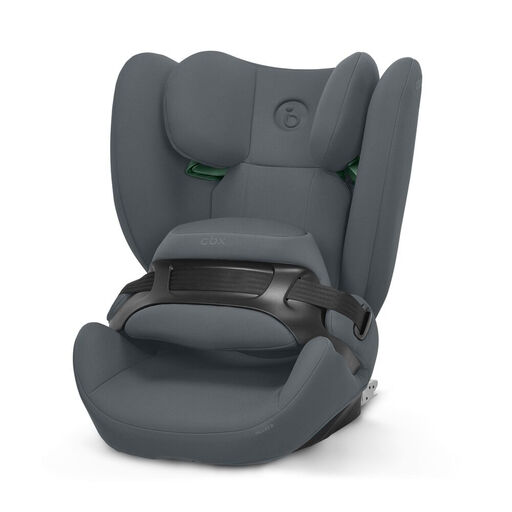
Why this model is a great fit: Ideal for families looking for a single, durable solution after the infant carrier. This seat covers the period from toddler (approx. 15 months) until the car seat requirement ends (12 years).
This seat avoids the "all-in-one" compromise with a 2-in-1 system: an impact shield is used for younger children (76–105 cm) to distribute impact forces. It is later removed, and the seat is used like a traditional high-back booster.
Long service life of over 10 years (76–150 cm). Complies with the UN R129/04 standard. Simple installation with ISOFIX and Top Tether.

Why this model is a great fit: Perfect for parents of babies and toddlers (40–105 cm) who want maximum comfort and the easiest handling for daily use. The 360° mechanism is a game-changer.
This seat is a specialist for the age group from birth to approx. 4 years. It allows for extended, safe rear-facing travel and makes no compromises to achieve a longer but less suitable period of use.
360° rotation mechanism for easy entry and exit. Integrated side-impact protection and energy-absorbing shell. The Plus version offers enhanced air circulation.
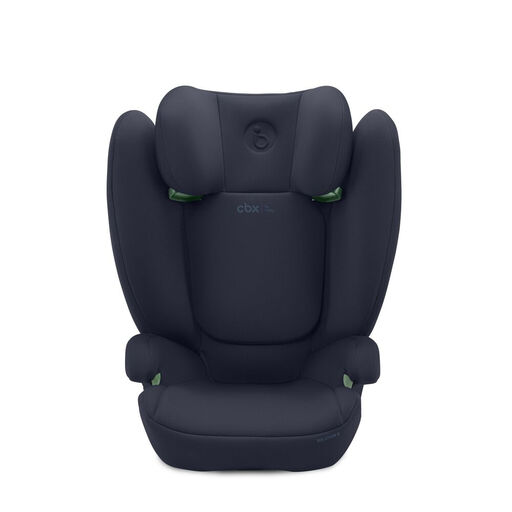
Why this model is a great fit: A pragmatic choice for parents whose children have outgrown their toddler seat (from approx. 3 years / 100 cm). It offers i-Size safety for the remainder of the car seat period at an attractive price-performance ratio.
This model focuses exclusively on the needs of older children (100–150 cm). It forgoes features for babies, resulting in a better fit and a more streamlined design for this age group.
Approved according to UN R129/04. Simple and stable installation with ISOFIX. The 12-position height-adjustable headrest grows with the child.
We've compiled a complete, up-to-date list of products that fully meet these strict selection criteria and UK safety regulations.
1. How long must my child travel in a rear-facing car seat? According to the i-Size standard (UN R129), rear-facing travel is legally required until at least 15 months of age and a height of 76 cm. However, safety experts recommend keeping children in a rear-facing car seat for as long as possible, ideally up to the age of 4, as this provides the best protection for the neck and spine in a frontal collision.
2. Does every i-Size car seat fit in every car with ISOFIX? No, not necessarily. Although i-Size is designed to improve compatibility, there are differences between vehicle models. The angle of the back seat, the upholstery, or the position of the ISOFIX hooks can affect installation. Always check the vehicle compatibility list on the car seat manufacturer's website before purchasing to ensure the seat is approved for your car.
3. When should a car seat be replaced? A car seat should be replaced after any accident, even at low speeds (over 6 mph / 10 km/h). Invisible hairline cracks may have formed in the material, compromising its protective function. Additionally, car seats have an "expiration date" because the material can degrade over time due to UV radiation and temperature fluctuations. The recommended service life can usually be found in the user manual or on the seat itself and is often between 6 and 10 years.