
Lieferung heute & morgen

Qualitätsgarantie

Willkommens-Angebote freischalten: KOSTENLOSE Lieferung | Bis zu 80 % RABATT | Kostenlose 30-Tage-JoyPlus-Testphase
App herunterladen
An i-Size car seat should be more than just comfortable-looking: it needs to suit your child’s size, your vehicle and your everyday routine. Many families initially look for features such as a 360-degree swivel function, soft padding or a long usable life. These can all be useful, but they don’t replace choosing a seat approved for your child’s height and fitting it correctly.
A car seat covering 40–150 cm sounds like a solution that could last for years. In practice, the newborn insert, headrest, harness system and seat position all need to be adjusted properly as your child grows. Height matters more than age alone. A car seat from birth should only be used if the model is explicitly approved for your baby’s height.
A car seat with ISOFIX can often be fitted quickly, but it won’t necessarily fit every seating position. Depending on the model, additional components such as a support leg or Top Tether may be required. Before buying, check your vehicle’s manual and the car seat’s approvals. If you use more than one vehicle, it’s also important to check whether each one has suitable ISOFIX anchor points.
A simple booster seat is designed for older children whose bodies are the right size for the seat and the vehicle’s three-point seat belt. According to the product details, the Dunlop model featured here is intended exclusively for children from 125 to 150 cm. It has no built-in harness and must be used with the vehicle’s three-point seat belt, routed correctly. This type of seat isn’t suitable for smaller children.
The designations ECE R129, UN R129/03 and UN R129/04 refer to the i-Size approval of the relevant model. The standard classifies car seats primarily by the child’s height. Some seats may also have weight limits. Always check:
With a rear-facing car seat, your child travels facing the rear of the vehicle. Many models are designed for babies and toddlers to use in this position. Always follow the specific limits in the instruction manual.
ISOFIX can reduce the risk of fitting errors, but you still need to check the indicators and anchor points. Some models also require a Top Tether or support leg. Other seats, such as a booster seat for 125–150 cm, are secured using only the vehicle’s three-point seat belt.
Before every journey, make sure that:
A car seat with side-impact protection may have additional protective features around the head and shoulders. For details of how effective these features are, refer to the relevant manufacturer’s documentation. Other practical features include a height-adjustable headrest, an adjustable harness system and a removable cover.
A height-adjustable car seat can grow with your child. Washable covers make cleaning easier, but should only be washed at the temperatures specified. Clean plastic parts and belts with a mild detergent and a damp cloth.
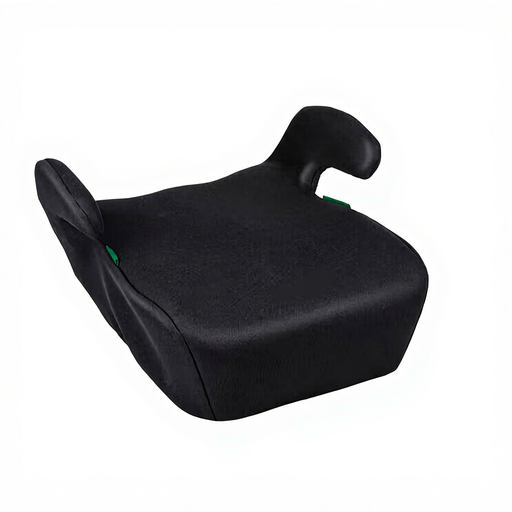
Why this product suits this profile: According to the product details, this lightweight booster seat weighs around 1 kg and is designed for children from 125–150 cm. It’s a good option for families who regularly move a seat between vehicles.
Its clearly defined height range helps prevent the booster from being used too soon. The product details specifically state that it must be used with a correctly routed three-point seat belt.
Removable cover, washable at 30 °C; integrated armrests; secured using the three-point seat belt.
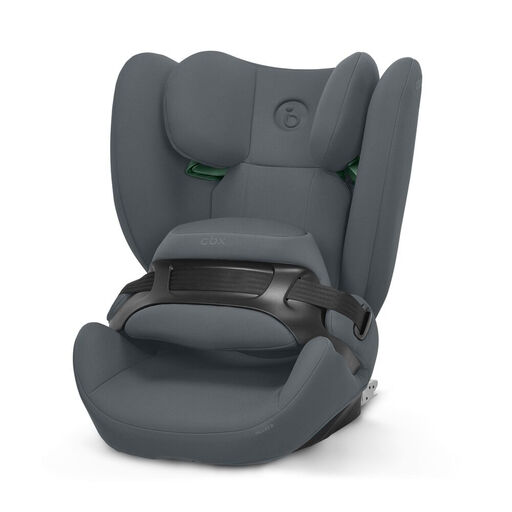
Why this product suits this profile: This 2-in-1 design is for families looking for a seat that can be used from around 15 months up to 150 cm, with plenty of scope to adjust it as their child grows.
Switching between the impact shield and seat-belt modes is subject to specific height and weight limits. This ensures the seat is used in line with the manufacturer’s guidance.
UN R129/04; 12-position adjustable headrest; ISOFIX and Top Tether according to the product description; removable cover.
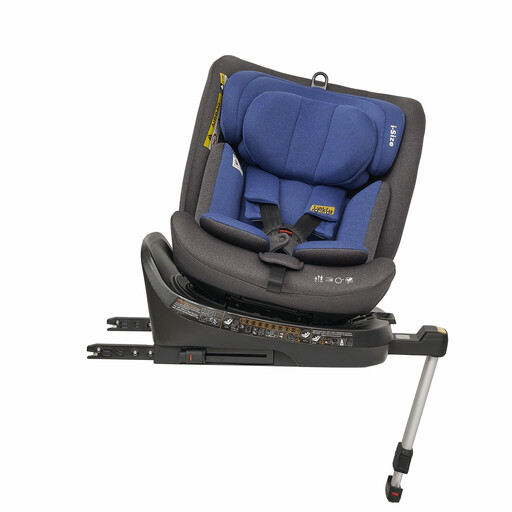
Why this product suits this profile: According to the product details, this 360-degree rotating car seat is designed for children from 40–150 cm. It can be used both rear-facing and forward-facing, with ISOFIX and a support leg.
The height and fitting details clearly specify the components required. You should still check that the seat is compatible with your vehicle before buying.
360-degree swivel function; 12 headrest positions; multiple recline positions; removable, washable cover.
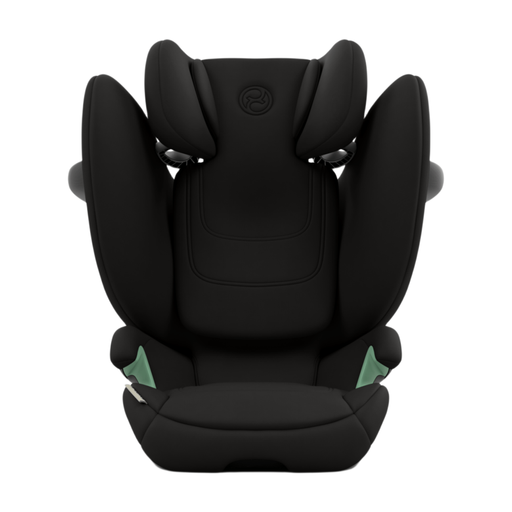
Why this product suits this profile: This seat is listed for children from 100–150 cm and around 3–12 years old. Its foldable design and carry handle can come in handy if you often move it between vehicles.
This seat is only suitable from 100 cm. That makes it clear that it’s for older children, not a car seat from birth.
UN R129/04; ISOFIX or vehicle seat belt according to the product details; 12-position height-adjustable headrest; foldable and weighs around 5.8 kg.
We’ve put together a complete, regularly updated list of products that meet these strict selection criteria and fully comply with the safety regulations in force in the EU.
These seats are designed for older children, typically from around three years old. The manufacturer’s stated height range is what matters. A model for 100–150 cm shouldn’t be used for a child below this range.
It depends on the model. According to the product details, a car seat for 40–150 cm can cover several stages of your child’s growth. A seat for 100–150 cm is suitable from a later stage, while a booster for 125–150 cm is only suitable for older children. If the seat has been involved in an accident with a significant impact, replace it, even if there’s no visible damage.
The swivel function makes it easier to get your child in and out, but it’s no substitute for correct installation. Also check vehicle compatibility, the support leg, ISOFIX indicators and the approved direction of travel. The most important thing is that the seat suits your child’s height and meets the manufacturer’s requirements.