
Lieferung heute & morgen

Qualitätsgarantie

Willkommens-Angebote freischalten: KOSTENLOSE Lieferung | Bis zu 80 % RABATT | Kostenlose 30-Tage-JoyPlus-Testphase
App herunterladen
An isotonic sports drink is designed to provide fluids during exercise and, depending on the recipe, may also contain electrolytes, carbohydrates or vitamins. Many products look similar on the shelf, but there can be differences in sugar, caffeine, serving size, mineral content and storage requirements.
If you’re buying a 12 x 500 ml sports drink or another drinks multipack, don’t just focus on the flavour and brand name. Three common buying pitfalls can easily lead to the wrong choice:
When choosing a sugar-free sports drink, check the nutritional information per 100 ml. In the EU, the term “sugar-free” is subject to a set limit: a drink must contain no more than 0.5 g of sugar per 100 ml. Even so, always check the specific product labelling.
A sugar-free drink doesn’t automatically mean it contains no sweeteners. Sucralose or acesulfame K, for example, are often used. If you’re looking to reduce your sugar intake, it’s also worth distinguishing between “sugar-free” and “low-calorie”. A low-calorie drink may contain small amounts of sugar, while a sugar-free product may still provide energy from other ingredients.
Carbohydrates can play a different role during longer periods of exertion than they do during short fitness sessions. Choose a drink that suits the amount of training you do, rather than relying solely on the word “isotonic”.
An electrolyte drink may contain minerals such as sodium, potassium, magnesium or calcium. Sodium is particularly relevant when you sweat heavily, as it’s present in sweat. However, amounts can vary considerably, so compare the information per 100 ml and per bottle.
Vitamins such as B6, niacin or vitamin C are often highlighted as added benefits. Check these claims against the nutritional information. Adding vitamins doesn’t automatically make a drink a complete sports nutrition product, and it’s no substitute for a balanced diet.
“Isotonic” generally describes a particular concentration of dissolved particles. For practical buying decisions, however, the ingredients list, nutritional information and recommended consumption details are what matter. Don’t assume an effect has been independently confirmed just because it appears in a marketing claim.
Caffeinated energy drinks aren’t always the right choice for staying hydrated during exercise. Some adults may want caffeine before or during certain activities, but it isn’t suitable for children or for people who are pregnant or breastfeeding. Always follow the guidance on the can.
Packaging also affects how practical a drink is for everyday use:
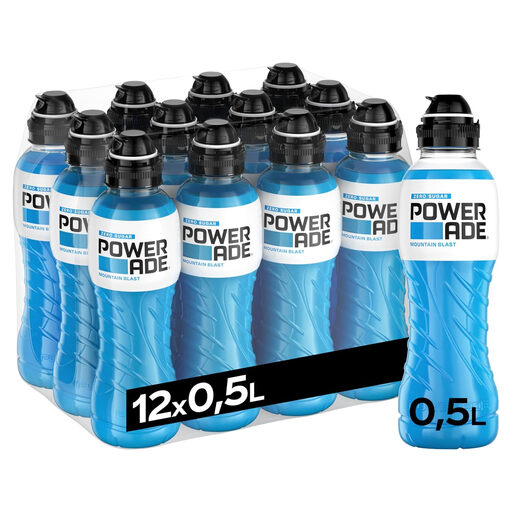
Why it suits this profile: This pack of 12 x 500 ml bottles is ideal for regular fitness sessions, team sports or keeping a supply of drinks at home.
The product information describes a sugar-free, calorie-free recipe with electrolytes and vitamin B6. This makes it easy to check the sugar content before you buy.
12 resealable 500 ml bottles; according to the product description, sugar-free and with added vitamin B6.
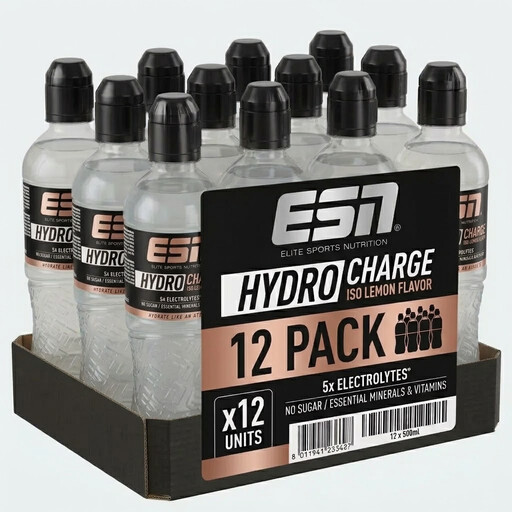
Why it suits this profile: This ready-to-drink option provides detailed ingredient and nutritional information for buyers who want to compare electrolytes and calories carefully.
According to the product information, each 500 ml bottle contains 0 g of sugar and around 15 kcal. The mineral blend includes sodium, potassium, calcium, magnesium and zinc, among others.
Sugar-free recipe; 500 ml bottle with electrolytes and several B vitamins.
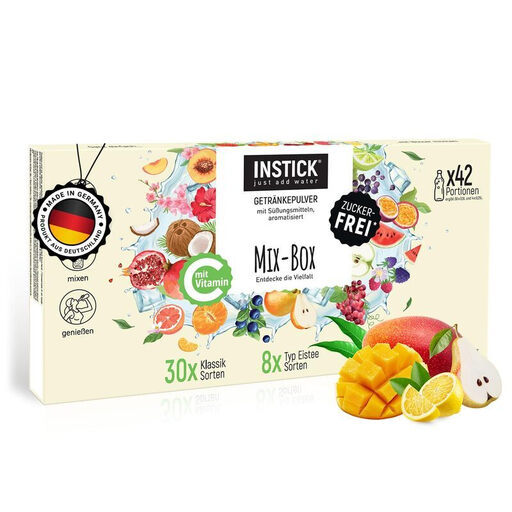
Why it suits this profile: The powder format is handy for travel, the office and home, and for anyone who wants to try different flavours.
The 42 individual sticks mean you don’t have to carry a large, heavy pack of liquid. The recommended amount of water varies by flavour, from around 0.25 to 1 litre, so be sure to check the instructions.
Sugar-free and vegan, with 42 flavour options; some energy flavours contain caffeine.
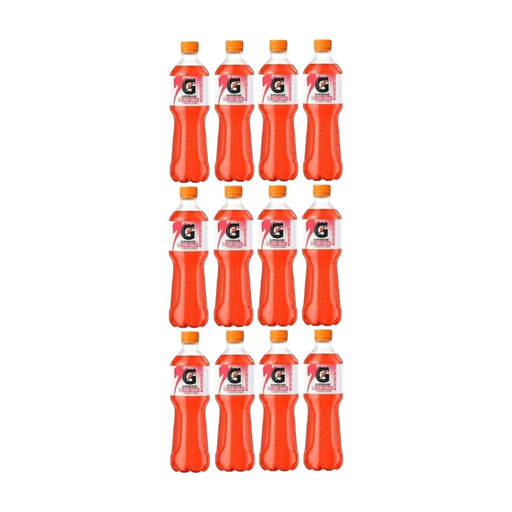
Why it suits this profile: This 12-bottle multipack is a good choice for regular training sessions and teams that need individual bottles ready to grab.
The product information lists 0 g of sugar and 1 kcal per 100 ml. Sodium, niacin and vitamin B6 are also listed, making it easy to compare the recipe directly with other products.
12 bottles of 500 ml each; sugar-free recipe with stated sodium content.
For short or moderate sessions, water is enough for many people. During longer periods of exertion, in hot weather or when sweating heavily, a drink containing sodium and other electrolytes may better suit your needs. There’s no single recommendation that works for every type of workout.
After opening, store the bottle according to the packaging instructions and drink it soon afterwards. Many products should be refrigerated. The best-before date generally applies to unopened packaging stored correctly.
No. A sugar-free product may still contain small amounts of energy from other ingredients. Check the “energy” information per 100 ml and per serving. For powdered products, the amount of water you actually use also matters.