
Lieferung heute & morgen

Qualitätsgarantie

Willkommens-Angebote freischalten: KOSTENLOSE Lieferung | Bis zu 80 % RABATT | Kostenlose 30-Tage-JoyPlus-Testphase
App herunterladen
The world of Italian red wine is as diverse as the country itself—from the sun-drenched hills of Tuscany to the coasts of Puglia. But this variety can also be overwhelming. When buying wine online, you're often faced with a sea of labels, quality levels, and grape varieties. All too often, appealing names or vague descriptions lead to a purchase that doesn't meet expectations.
As your Joybuy Product Recommendation Officer, I'll help you identify the crucial criteria. Together, we'll shed light on the typical pitfalls so you can confidently find the right Italian red wine for your taste and occasion, without paying for empty promises.
Before we get to the recommendations, it's important to clear up two common misconceptions that often lead to disappointment.
To make an informed decision, you should check three core aspects. These will help you objectively assess a wine's quality and character.
The Italian wine system is hierarchical and provides reliable indicators of origin and production standards.
Each grape variety has its own character, which is strongly influenced by the region where it grows.
For many buyers today, additional criteria play a role.
Here are some recommendations tailored to different profiles and needs.
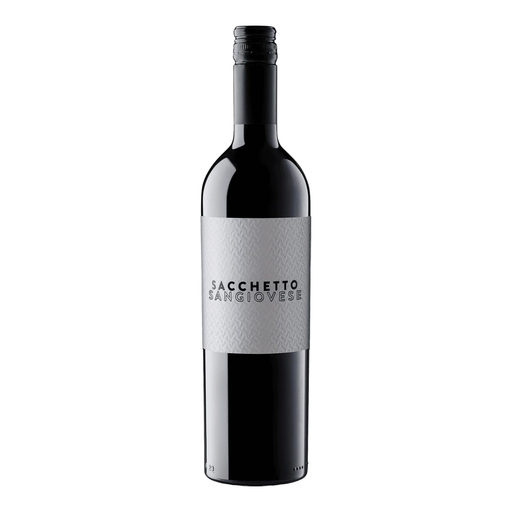
Why This Fits Their Persona: Ideal for anyone looking for a reliable and approachable Italian red wine for everyday enjoyment. It pairs perfectly with pasta, pizza, or a simple charcuterie board and offers a solid flavour experience without being overly complex.
This wine bypasses the famous name trap. As an IGT wine, it focuses on the true varietal character of Sangiovese and offers excellent value, rather than charging a premium for a prestigious appellation.
Balanced fruitiness and fresh acidity. Convenient screw cap and available as a 6-pack, making it a great choice for stocking up.
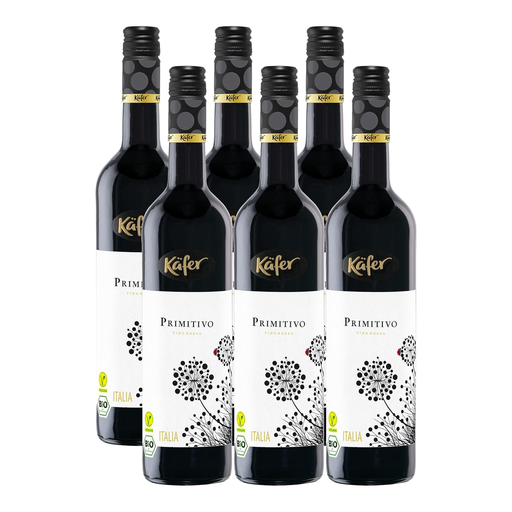
Why This Fits Their Persona: Perfect for wine drinkers who value sustainability and a conscious lifestyle. This wine combines the popular taste of a Primitivo from Puglia with certified organic quality and vegan production.
This wine offers transparency. Instead of hiding behind a generic name, it clearly highlights its specific features—organic red wine and vegan wine. This way, you know exactly what you're getting and are supporting sustainable production methods.
Combines rich fruit notes with a smooth finish. The certifications provide peace of mind for environmentally and health-conscious buyers. Ideal as a wine case for your pantry.
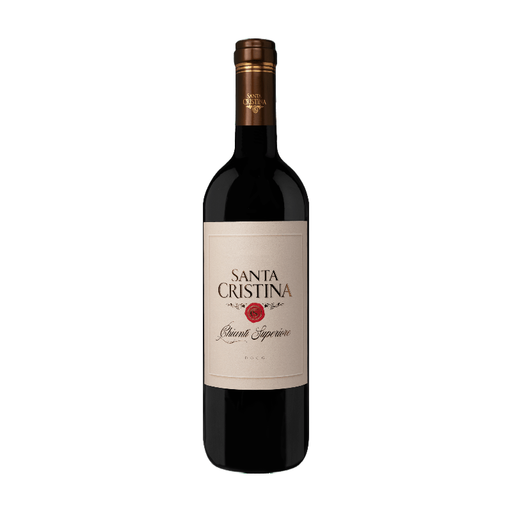
Why This Fits Their Persona: For those seeking the authentic taste of Tuscany. A Chianti Superiore is a step above a standard Chianti, offering more complexity and structure, making it ideal for a dinner with hearty meat or pasta dishes.
This wine avoids the generic name trap. The "Superiore" designation and the DOCG seal are reliable indicators of higher quality, stricter production rules, and a longer ageing process than a basic Chianti.
Full flavour with aromas of red fruits and vanilla. Soft, velvety tannins and a fruity finish. A classic representative of the Tuscan winemaking tradition.
We've compiled a full, up-to-date list of products that fully meet these strict selection criteria and German regulations.
1. What exactly does DOCG mean on an Italian red wine?DOCG stands for "Denominazione di Origine Controllata e Garantita" and is the highest quality tier for Italian wines. It not only guarantees the origin from a narrowly defined area but also ensures that the wine meets strict production regulations (e.g., grape varieties, yield limits) and has passed a sensory examination by a government commission before being released. It is a reliable seal of high quality.
2. Which Italian red wine pairs best with pasta? It depends on the sauce. A medium-bodied, high-acid wine like a Chianti or a Sangiovese pairs wonderfully with a light tomato sauce. For a rich meat sauce (Bolognese) or dishes with mushrooms, a more robust wine like a Montepulciano d'Abruzzo or a soft Primitivo is a great choice.
3. How long can I keep an opened bottle of red wine? An opened bottle of Italian red wine should be sealed tightly (ideally with the original cork or a wine stopper) and stored in a cool, dark place. It will typically last for 2 to 4 days. Lighter wines lose their freshness more quickly, while full-bodied, tannic wines often still taste great on the second day.