
Lieferung heute & morgen

Qualitätsgarantie

Willkommens-Angebote freischalten: KOSTENLOSE Lieferung | Bis zu 80 % RABATT | Kostenlose 30-Tage-JoyPlus-Testphase
App herunterladen
The world of Italian red wine is as diverse as the country itself, stretching from the Alps to Sicily. But the vast selection can quickly become overwhelming. It's a familiar scenario: you're standing in front of a shelf lined with evocative names like Chianti, Primitivo, or Barolo, unsure which bottle truly lives up to its label. Too often, well-intentioned purchases lead to disappointment because the wine doesn't suit the occasion or your personal taste.
As your Joybuy Product Recommendation Officer, I'm here to help you navigate the most common pitfalls and make an informed choice. We'll focus on objective criteria so you can find the exact wine that will bring you joy.
The 2 Most Common Traps When Buying Italian Red Wine:
To avoid falling into these traps, you should focus on two fundamental characteristics that significantly define a wine's character: its quality level and the combination of grape variety and region.
These abbreviations on the bottle label aren't marketing gimmicks but legally defined guarantees of origin and quality.
Italy is home to hundreds of native grape varieties. Knowing the most important ones helps tremendously when making a selection.
Based on these objective criteria, we have selected a few wines that are well-suited for different profiles and occasions.
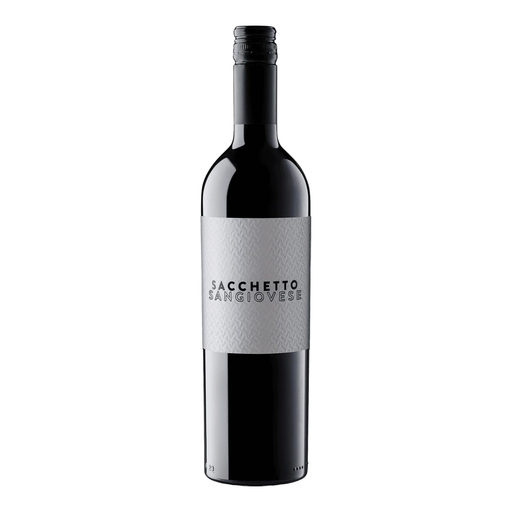
Why This Fits Their Persona: A straightforward and fruit-forward Sangiovese that is ideal for daily enjoyment. It pairs excellently with pasta, pizza, or light snacks and offers a clear grape profile without complex demands. Perfect for a spontaneous dinner.
This wine avoids the trap of overpaying for a famous name. As an IGT wine, it focuses on solid, approachable flavour rather than prestigious classifications.
Excellent value for money; convenient screw cap for easy handling.
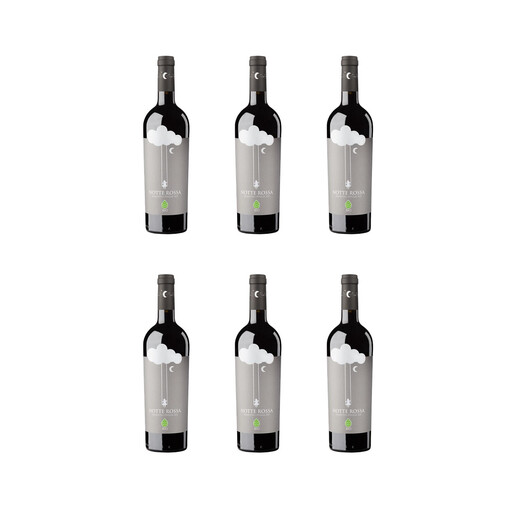
Why This Fits Their Persona: Perfect for fans of full-bodied wines. This Primitivo from Apulia delivers the characteristic warmth and dark fruit aromas that make this variety so popular. Ideal for barbecues, stews, or a cosy evening on the sofa.
This wine demonstrates that an IGP wine (equivalent to IGT) from a sun-drenched region like Apulia can offer tremendous depth of flavour, often at a more attractive price than a DOCG from the north.
Certified organic; intense aroma of ripe fruits and spices; available as an Italian wine case.
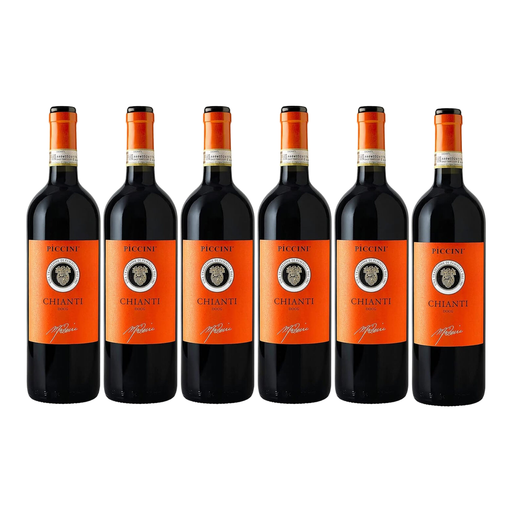
Why This Fits Their Persona: For anyone seeking the authentic taste of Tuscany. This classic Chianti, based on Sangiovese, meets the strict DOCG requirements and impresses with its balanced structure, fresh red berry aromas, and a pleasant spiciness.
This wine solves the "label maze" by being clearly classified as DOCG. You get a guaranteed origin and a defined wine style that is typical for Tuscan red wine.
Guaranteed quality of origin (DOCG); versatile food pairing for traditional Italian dishes.
We've compiled a complete, up-to-date list of products that meet these strict selection criteria and quality standards.
DOCG stands for "Denominazione di Origine Controllata e Garantita" and is the highest quality tier for Italian wines. It not only guarantees the origin from a specific, narrowly defined area but also that the wine was produced according to the strictest rules (e.g., regarding grape varieties and ageing time) and was state-tasted and approved before bottling. It is a reliable seal for a wine with traditional character and high quality.
Unopened bottles should be stored lying down in a cool, dark place with a constant temperature (ideally 12–16 °C) to keep the cork moist. After opening, you should reseal the bottle tightly, store it in the refrigerator, and consume the wine within 2 to 3 days. Robust wines like a Primitivo often last a bit longer than lighter ones like a simple Sangiovese.
The recommended serving temperature for most dry red wines from Italy is between 16 and 18 °C. Lighter, fruitier wines like a Valpolicella Classico can also be enjoyed slightly cooler at around 15 °C. Powerful, tannin-rich wines like a Barolo or a Valpolicella Ripasso unfold their aromas at the upper end of this range, around 18 °C. Storing or serving the wine too warm will make the alcohol taste more prominent.