
Lieferung heute & morgen

Qualitätsgarantie

Willkommens-Angebote freischalten: KOSTENLOSE Lieferung | Bis zu 80 % RABATT | Kostenlose 30-Tage-JoyPlus-Testphase
App herunterladen
By the Joybuy Product Recommendation Officer
The world of Italian red wine can be overwhelming. From the sun-drenched slopes of Sicily to the prestigious vineyards of Piedmont, Italy offers a diversity that is as fascinating as it is complex. But this variety also comes with pitfalls. Many buyers are drawn in by well-known names or appealing labels, only to find the wine doesn't meet their expectations. This guide will help you identify the crucial quality markers and make an informed choice.
Before we get to the recommendations, it's important to understand the typical mistakes that often lead to disappointment.
To find the right Italian red wine for you, focus on three objective criteria.
These abbreviations on the bottle neck or label are the foundation of the Italian wine pyramid and provide reliable information about origin and production standards.
A wine's character is significantly shaped by the grape variety and the terroir (soil, climate, location). Here are some of the most important combinations:
The description on the label provides an initial guide.
Here are some recommendations based on the criteria above, suitable for various occasions and preferences.
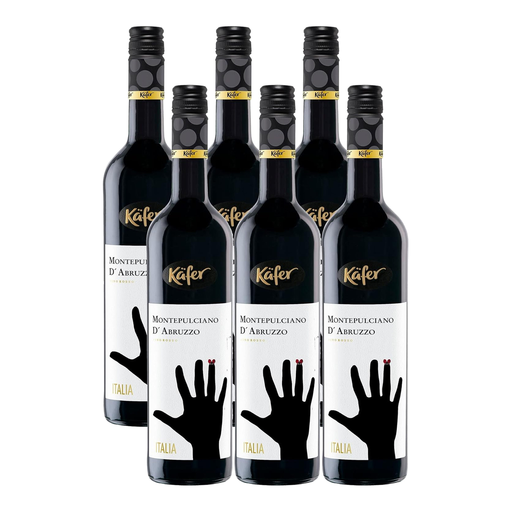
Why This Fits Their Persona: Ideal for anyone seeking a straightforward and reliable red wine for daily enjoyment or social gatherings. This wine case offers excellent value for money.
This wine bypasses the label fallacy by relying on a dependable DOC classification. Instead of focusing on a pricey image, it banks on the proven quality of the Montepulciano grape from Abruzzo.
A fruit-forward aroma (cherry), moderate acidity, and a practical screw cap make it a versatile companion for hearty dishes like pasta, salami, or hard cheese.
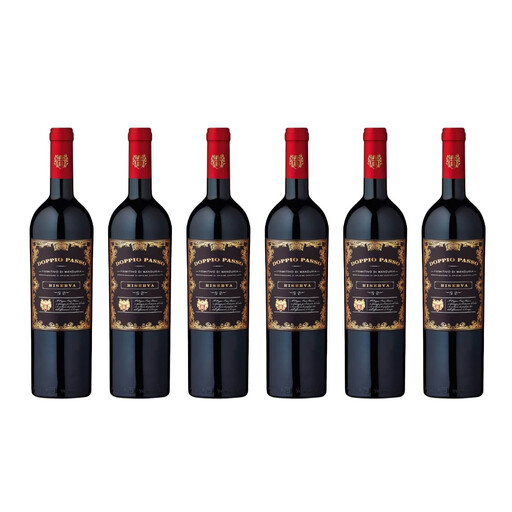
Why This Fits Their Persona: Perfect for wine drinkers who appreciate a powerful, complex, and full-bodied dry red wine from Southern Italy. Ideal for special occasions or as a pairing for grilled meats.
This wine avoids the trap of vague appellations. The "di Manduria DOC" and "Riserva" designations guarantee a specific origin from the core zone for Primitivo and extended ageing, which leads to greater complexity.
Made using the Ripasso method for exceptional density. It offers a complex bouquet of blackberries, plums, vanilla, and toasted notes. At 14.5% ABV, it is full-bodied and expressive.
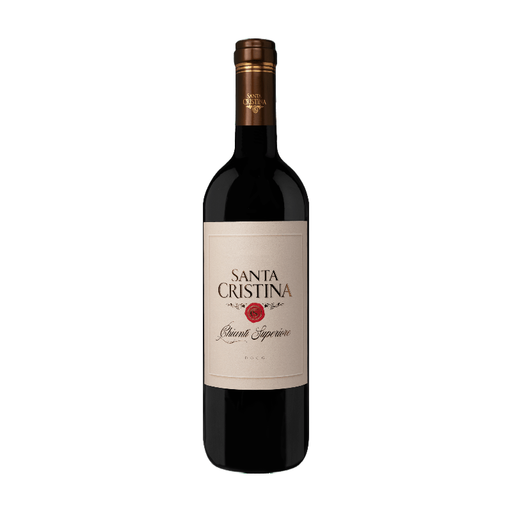
Why This Fits Their Persona: For those seeking the authentic taste of Tuscany. This wine embodies the classic Chianti style and is a prime example of the elegance of the Sangiovese grape.
It sidesteps the trap of ignoring quality tiers through its classification as Chianti Superiore DOCG. This not only guarantees its origin but also a higher quality and longer ageing period than a standard Chianti.
Offers a bouquet of red fruits and vanilla. On the palate, it reveals a full flavour with soft, velvety tannins and a fruity finish. A classic, reliable Tuscan wine.
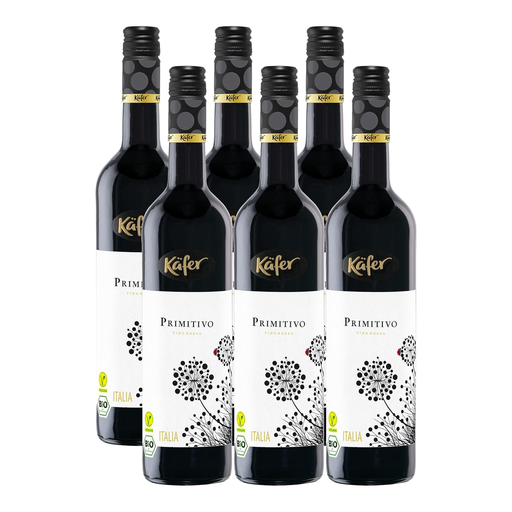
Why This Fits Their Persona: For consumers who value sustainable production without sacrificing the full flavour of a Southern Italian red. This Italian organic red wine is also certified vegan.
This wine avoids the marketing trap by providing clear, certified facts. The Organic and Vegan seals are objective proofs of its production method, going beyond mere advertising claims.
Combines the popular, fruity character of the Primitivo grape with the standards of organic farming. No animal products are used in the fining process of the wine.
We've compiled a complete, up-to-date list of products that fully meet these strict selection criteria and regulatory standards.
1. What does "Riserva" mean on an Italian red wine? The term "Riserva" (Reserve) indicates that a wine has been aged longer than the standard version of the same wine. The required minimum ageing period (in both barrel and bottle) is legally defined for the respective DOCG or DOC. A Riserva is typically more complex, smoother, and more expensive than its younger counterpart.
2. How do I store Italian red wine correctly? For optimal storage, bottles should be kept lying on their side in a cool, dark place with a constant temperature (ideally 12–16°C or 54–61°F). Direct sunlight and significant temperature fluctuations should be avoided as they can damage the wine. A simple wine cabinet or a cool cellar is well-suited. Once opened, the bottle should be re-corked, stored in a cool place, and consumed within 2–3 days.
3. Which Italian red wine pairs well with pasta? It depends on the sauce. For pasta with a tomato-based sauce (like Arrabiata or a simple Marinara), a wine with good acidity that can balance the acidity of the tomatoes is a great match, for example, a Chianti or another Sangiovese-based wine. For rich meat sauces like Ragù alla Bolognese, a more robust wine is a good choice, such as a Primitivo, a Nero d'Avola, or a Montepulciano d'Abruzzo.