
Lieferung heute & morgen

Qualitätsgarantie

Willkommens-Angebote freischalten: KOSTENLOSE Lieferung | Bis zu 80 % RABATT | Kostenlose 30-Tage-JoyPlus-Testphase
App herunterladen
By Joybuy Product Recommendation Officer, July 28, 2026
The diversity of Italian red wines is staggering—ranging from light, fruity varieties to complex, powerful vintages. However, this abundance can make choosing a bottle overwhelming. Anyone looking to buy wine online often faces a digital shelf packed with tempting labels and prestigious names. Yet, not every wine delivers on its promise. Before you make your selection, it's helpful to understand a few common pitfalls that often lead to disappointment.
Many buyers are swayed by elaborate labels or blindly trust well-known names like Chianti, only to receive a wine that falls short of expectations. Two of the most frequent mistakes are:
To avoid these errors, it's crucial to focus on objective characteristics rather than marketing promises.
To find a suitable Italian red wine that matches your taste and is worth the price, you should consider three core parameters. These will help you assess a wine's quality independently of advertising claims.
The Italian wine system classifies wines based on their origin and production regulations. These abbreviations on the label are a reliable indicator of the expected quality level.
Italy is home to hundreds of indigenous grape varieties that decisively shape a wine's character. Knowing the most important ones helps with orientation:
Terms like "Ripasso" or "Bio" (Organic) provide further clues about the wine's character.
Instead of making a blanket recommendation, we have selected wines that suit different occasions and taste profiles.
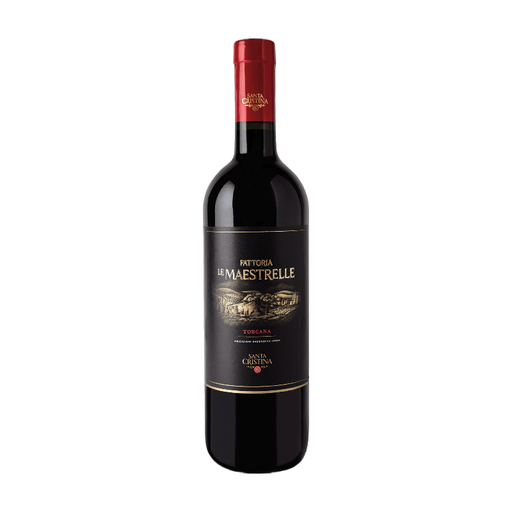
Why This Fits Their Persona: Ideal for wine beginners or as an approachable, everyday wine. It offers straightforward enjoyment without being overwhelming and comes from a renowned producer, ensuring reliable quality.
This wine bypasses the trap of overpriced prestige bottles. As an IGT wine from Tuscany, it offers the quality of the Antinori estate at a fair price, rather than relying on an expensive DOCG status.
Balanced and smooth on the palate with notes of ripe red fruits. Its versatility makes it a great companion for pasta, pizza, or a cheese board.
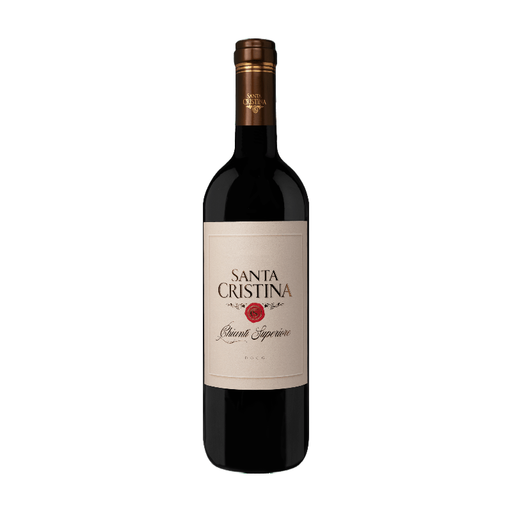
Why This Fits Their Persona: Perfect for enthusiasts seeking the authentic character of a classic wine from Tuscany. This Chianti Superiore represents the typical characteristics of the Sangiovese grape in a high-quality expression.
It avoids the pitfall of low-quality wines from famous regions. As a Chianti Superiore DOCG, it meets stricter production standards than a basic Chianti, ensuring a higher level of quality.
Classic profile with aromas of red fruits and vanilla. The velvety tannins and full-fruited finish make it an excellent companion for grilled meats and aged cheeses.
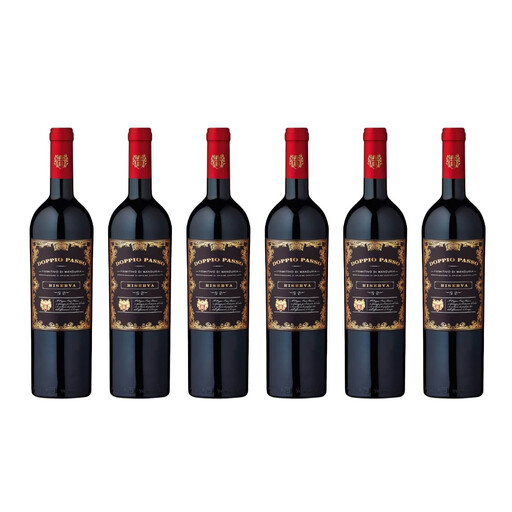
Why This Fits Their Persona: For connoisseurs looking for a powerful, full-bodied, and complex wine. This Primitivo offers concentrated fruit, spicy notes, and an impressive structure, ideal for special occasions or as a companion to hearty dishes.
This wine carries the specific "Primitivo di Manduria" designation of origin and the "Riserva" classification, which indicates longer ageing and higher quality. This clearly distinguishes it from simple, generic Primitivo wines.
Intense and complex thanks to the Ripasso method. Aromas of blackberry, plum, and vanilla. Offered as a convenient Italian wine case (6 bottles).
We have compiled a complete, up-to-date list of products that fully meet these strict selection criteria and all relevant regulations.
The term "dry" (secco) refers to the residual sugar content in the wine. According to EU law, a dry wine can have a maximum of 9 grams of residual sugar per litre, although the acidity level also plays a role. In terms of taste, this means that sweetness is not the dominant characteristic. Instead, fruit flavours, acidity, and tannins define the flavour profile.
An opened bottle of Italian red wine should be tightly re-sealed and stored in a cool, dark place. Under these conditions, the wine will maintain its quality for about 2 to 4 days. Lighter wines like a simple Valpolicella should generally be consumed more quickly than powerful, tannin-rich wines like a Primitivo Riserva.
An Italian wine case is a practical option for various types of buyers. It's worthwhile for anyone who has found a favourite wine and wants to stock up, often at a more favourable price per bottle. It is also ideal for planning parties or social gatherings. Lastly, a case offers the opportunity to discover different wines from a single producer or region at a great value.