
Lieferung heute & morgen

Qualitätsgarantie

Willkommens-Angebote freischalten: KOSTENLOSE Lieferung | Bis zu 80 % RABATT | Kostenlose 30-Tage-JoyPlus-Testphase
App herunterladen
Italian tomato products are a staple in many British homes. Whether you’re making pasta, pizza, soup or a stew, passata, tomato purée and ready-made tomato sauce differ considerably in consistency, ingredients and how they’re best used. If you focus only on where a product comes from or its eye-catching packaging, you could easily end up with something that doesn’t suit the way you cook.
An Italian flag or the phrase ‘Italian style’ might refer to the recipe, how the product is made or simply the brand’s image. The ingredients list and stated country of origin are what matter. With passata, you should also check whether it contains salt, acidity regulators or other ingredients.
Tomato passata is finely sieved tomato with a relatively runny consistency. Tomato purée can also be finely processed, depending on the product, but it isn’t always as concentrated. Tomato purée is made by removing water from tomatoes, making it much more intense. Triple-concentrated tomato purée is better for measuring out and frying off than for using as the sole base for a sauce.
Tomato sauce with basil or herbs is convenient, but it often also contains onion, oil, sugar, salt, spices or starch. That’s not necessarily a drawback, but it does leave you with less scope to control the recipe yourself. If you’re mindful of allergens, check the full ingredients and allergen information carefully.
For a versatile base, it’s worth looking for a short ingredients list. A product made from tomatoes and a little salt can be seasoned in different ways for pasta, pizza, soups and stews. If you’re buying vegan tomato products, check the relevant label on the product. Any claim that a product ‘contains no allergens’ is based on the product information available, so if you have a particular intolerance, check the current packaging too.
The right choice depends on whether you’re after a neutral base or the quickest possible meal.
Large jars, such as 690 or 700 grams, are handy for family meals, meal prep and making several portions. Smaller packs of 200 to 400 grams reduce the risk of having to throw leftovers away. Once opened, passata and sauces should be kept in the fridge. The manufacturer’s recommended use-by period may be three to five days, for example. Pay particular attention to the storage instructions for tomato purée. Depending on the packaging, it may be worth transferring it to a clean, resealable container.
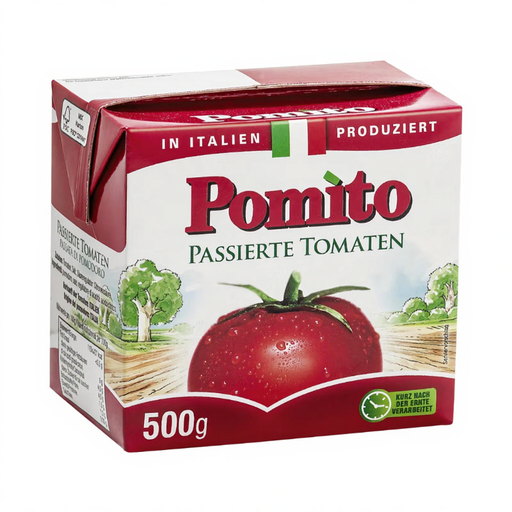
Why this product suits this profile: The 500-gram pack is a good fit for smaller households and dishes that don’t need a large amount. According to the product description, the passata is made entirely from Italian tomatoes and is vegan, vegetarian and lactose-free.
With an ingredients list of 100% tomatoes, it’s easier to check what’s in the product than with sauces containing added spices, sugar or oil.
Smooth consistency, versatile use and practical carton packaging.
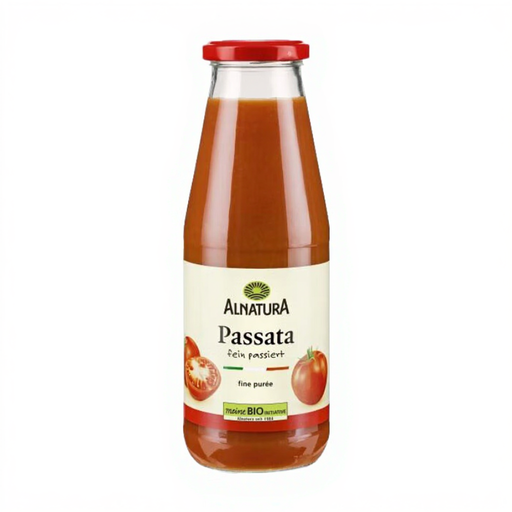
Why this product suits this profile: According to the product information, the bottle contains 99.8% organically grown tomatoes and 0.2% sea salt. Its organic and vegan labels, along with the absence of any declared major allergens, will appeal to households that want to base their choices on clear product information.
The clearly stated recipe helps remove the guesswork that can come with complicated lists of additives.
690-gram pack, organic label and finely sieved consistency.
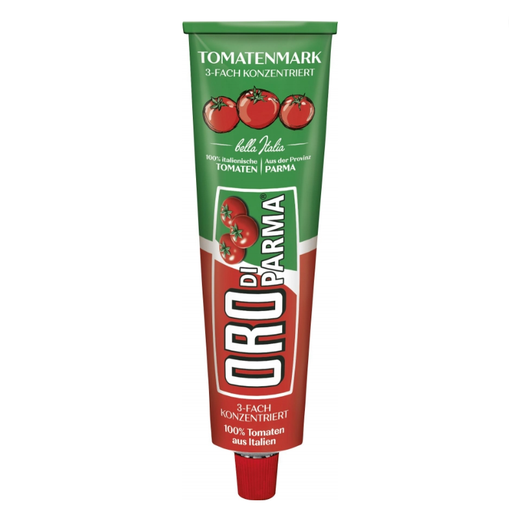
Why this product suits this profile: Triple concentration makes this a good option for frequent cooking, sauce bases and stews. According to the product description, it contains at least 36% dry matter.
The concentration is clearly stated, making it easy to identify the product type and avoid using tomato purée as if it were ready-to-use passata.
At least 36% dry matter, suitable for vegans according to the product information, and a 200-gram tube.
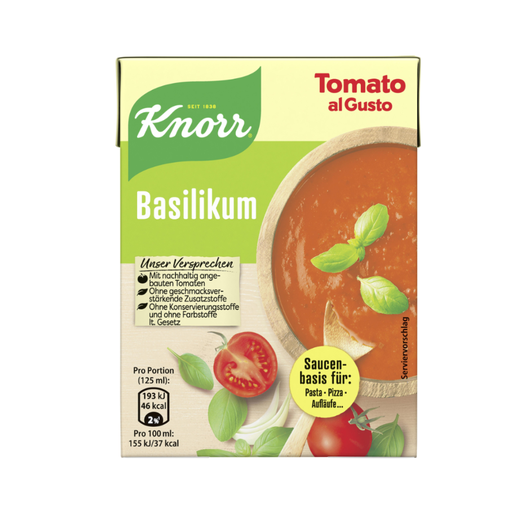
Why this product suits this profile: This ready-made tomato sauce with basil is designed to be heated quickly and served straight with pasta or added to soups. According to the product information, it contains 88% tomatoes, as well as herbs and spices.
The ingredients list makes it clear that this is a seasoned ready-made sauce, not a neutral passata.
370-gram portion, basil recipe and quick preparation—just heat and serve.
We’ve put together a complete, regularly updated list of products that meet these strict selection criteria and fully comply with the safety regulations in force in the EU.
Passata is made mainly from sieved tomatoes and can be used straight as a sauce. Tomato purée is more concentrated and is usually added in smaller amounts, for example to fry off with onions or to give a sauce a richer flavour.
It depends on the product. Opened passata and ready-made sauces are usually kept in the fridge and used within the period stated on the packaging. Depending on the product, this may be three to five days. Follow the manufacturer’s instructions for tomato purée on the tube or jar. Use clean utensils and keep it in a tightly sealed container.
Passata and pure tomato purée are often vegan, as long as the ingredients list doesn’t include any animal-derived ingredients. Some ready-made sauces also carry a vegan label. To be sure, check the ingredients list, allergen information and current product packaging.