Time-poor lunch preppers
If you reheat a pre-cooked individual portion on weekdays, look for easy-to-use microwave power settings and straightforward controls. The BfR recommends keeping perishable food chilled when you’re out and about, too.


For a pre-cooked jacket potato to take away, a microwave with suitable power settings is all you need. A grill or convection function is only useful if you want to brown the outside or cook other dishes in the appliance. With a combi microwave, check the usable space for your plate or lunch container, as well as the accessories required for the mode you choose. The German Federal Institute for Risk Assessment (BfR) recommends reheating food to 70 °C throughout for at least two minutes; keeping it chilled until lunchtime is still important.
If you reheat a pre-cooked individual portion on weekdays, look for easy-to-use microwave power settings and straightforward controls. The BfR recommends keeping perishable food chilled when you’re out and about, too.
If you want to brown the potato after heating it through, consider an appliance with a grill or convection function. These features are especially useful if you’ll use them for other dishes, too.
If worktop space is limited, check the appliance’s external dimensions as well as the size of your plate or lunch container. On some models, the usable interior space may differ from the advertised capacity.
A good fit if: you mainly want to reheat the potato, with the option to brown the outside now and then.
The trade-off: A grill isn’t the same as a convection or oven function. Check the instructions for the mode and accessories you plan to use.
A good fit if: you regularly want to brown food or bake other dishes as well as reheat them.
The trade-off: Consider whether the extra features justify the space the appliance takes up and the accessories you’ll need for everyday use.
A good fit if: you often cook larger dishes or want to use a wider range of cooking methods.
The trade-off: More cooking space and extra features don’t guarantee that one potato will heat more evenly. Match the space it takes up to how you’ll actually use it.
| Priority | What to check when buying | Who is it important to? |
|---|---|---|
| Heating through | Power settings and controls; whatever the wattage, check that the potato is heated through to the centre. | If I want to heat a pre-cooked potato through to the middle at lunchtime, I look for suitable settings and check the temperature. Around 36% of consumers place the greatest importance on heating their portion all the way through. |
| Browning | Check whether the appliance has a grill, convection function or both, and which accessories the mode you want to use requires. | If you want a browned surface after reheating, choose the right setting and consider whether you’ll use it for other food, too. Around 29% of consumers prioritise browning options. |
| Space and fit | Compare the external dimensions, interior height, turntable and size of your own cookware. | If I have limited worktop space or need to fit my lunch container inside, I check the appliance and container dimensions together. Around 21% of consumers prioritise space and fit. |
| Lunch container | Check the container’s temperature and wattage limits, as well as the appliance instructions for the mode you plan to use. | If you want to heat the potato in the container you’re taking with you, check that it’s suitable for the mode you’ve chosen. Around 14% of consumers focus primarily on using a container that’s suitable for the appliance. |
These modes do different jobs. The microwave’s wattage doesn’t automatically tell you how powerful the grill or convection function is.
First decide whether you only want to heat food through, or whether you’ll also regularly brown and bake. Then compare the features of the specific model and check its instructions.
The Severin MW 7773 has a stated capacity of 20 litres, but the manufacturer gives its effective usable capacity as 8.2 litres. The litre figure alone won’t tell you whether your container will fit.
Compare your container’s dimensions with the usable interior height and turntable diameter of the specific model.
A warm exterior doesn’t mean the centre of the potato is hot enough. Reheating it later also doesn’t replace keeping it chilled during transport.
The BfR recommends reheating food to 70 °C throughout for at least two minutes, and keeping perishable food chilled when you’re out and about.
Permitted temperatures and wattages vary between containers. A container approved for microwave use isn’t automatically suitable for the grill or convection function.
Check the container’s markings and the appliance instructions for the mode you’ve chosen. If the container isn’t approved for it, you’ll need to use another suitable dish for reheating.
The MW 7773 combines microwave, grill and convection functions in one appliance.
The model ranges vary in whether they offer microwave and grill functions, or convection as well.
The MC32DB7746KDE1 is a larger combi appliance with additional cooking features.
The MD 15501 combines microwave, oven and dual-grill functions.
The MW 3391 SX is aimed at buyers who want to use other cooking methods as well as reheating.
The Joybuy products below combine a microwave with grill and convection functions; some models include additional features. Compare the power settings, dimensions and features with the portion you’re preparing and the space you have available.
 No image available
For a pre-cooked portion, the adjustable microwave power settings are useful; the grill and convection functions are there if you want to use other cooking modes as well.
The product description lists 10 microwave power settings and glass-base technology.
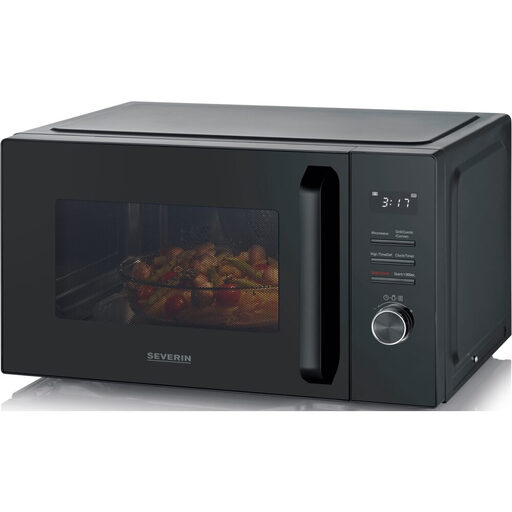 No image available
This model combines microwave, grill and convection functions for when you want to use other modes as well as reheating.
The product description lists 7 microwave power settings; the model name specifies 1000 W.
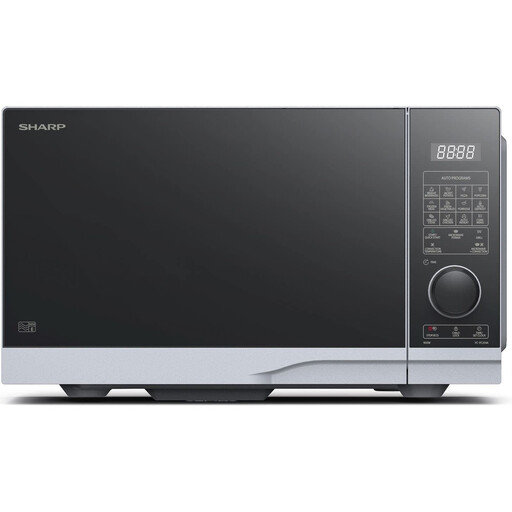 No image available
The combination of microwave, grill and convection functions is useful if you want to use other cooking modes as well as reheating.
The product description lists 10 microwave power settings; the model name specifies 25 l.
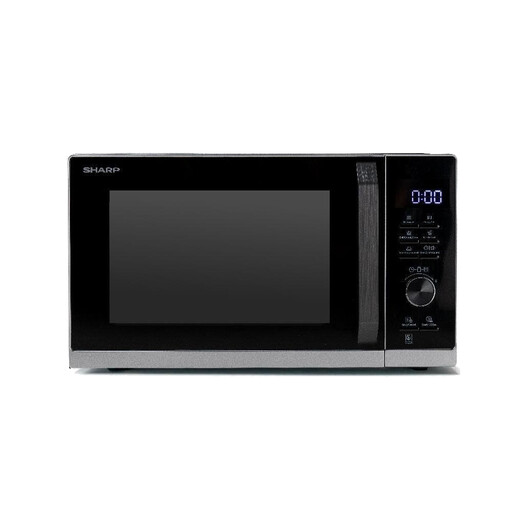 No image available
The grill and convection functions complement the microwave if you also plan to use these modes in addition to reheating.
The product description lists 6 microwave power settings. The model name specifies 900 W microwave power, 1000 W grill power and 2100 W convection power.
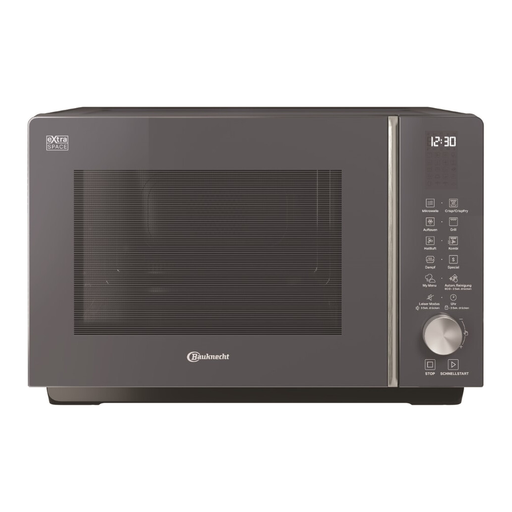 No image available
This model adds convection and Crisp functions to the microwave and grill, for when you want to cook more than just lunch portions.
The product description lists 6 microwave power settings, a Crisp plate and a steam container. The product title describes the appliance as a model without a turntable.
The BfR recommends reheating food to 70 °C throughout for at least two minutes. When reheating a whole potato, pay particular attention to the centre; an automatic programme alone doesn’t confirm that this temperature has been reached.
The BfR recommends keeping perishable food chilled when you’re out and about. Hot food should be cooled quickly to below 7 °C if it’s going to be stored for longer; reheating it later doesn’t replace keeping it chilled during transport.
No. Being suitable for microwave use doesn’t automatically mean a container can withstand higher temperatures or every combi mode. The consumer advice centre recommends following the temperature and wattage limits for your cookware; also check the appliance instructions for the mode you’ve chosen.
You don’t need a grill or convection function just to reheat a pre-cooked potato. These features are useful if you also want to brown it or regularly use the appliance for other cooking methods.
For appliances covered by the relevant EU harmonisation rules, the manufacturer must apply the required CE marking. The European Commission points out that this isn’t a test mark awarded by a central EU body. Check the details for the specific version of the appliance.