
Lieferung heute & morgen

Qualitätsgarantie

Willkommens-Angebote freischalten: KOSTENLOSE Lieferung | Bis zu 80 % RABATT | Kostenlose 30-Tage-JoyPlus-Testphase
App herunterladen
As a Joybuy Product Recommendation Officer, my role is to provide you with clear, objective information. Crafting authentic sushi starts with one crucial ingredient: the right rice. However, the sheer number of options can be overwhelming. This guide will help you understand the different choices and make an informed decision that fits your needs—without any marketing hype.
The quality of your sushi depends significantly on your choice of rice. Here are three objective criteria to guide your selection.
The key to good sushi is a rice that becomes sticky enough to hold its shape after cooking, yet whose individual grains remain distinct. This quality is achieved through a high content of amylopectin starch.
The growing region influences the characteristics and price of the rice.
The choice of package size depends on how often you'll be using it.
Based on these criteria, we have curated a selection of products that cater to different needs.
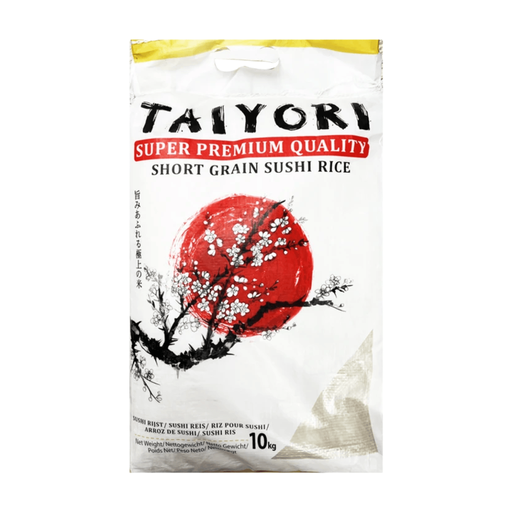
What makes it stand out This rice from Vietnam is a pragmatic choice for anyone with high consumption. The 10 kg bulk package offers solid value for money without compromising on the essential properties needed for sushi preparation.
Advantages
Who is it for? For small restaurants, Asian takeaways, and ambitious home cooks who need rice for sushi regularly and in large quantities while being cost-conscious.
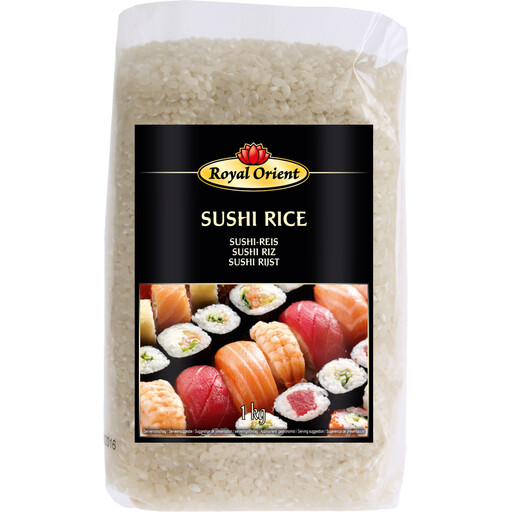
What makes it stand out This Japanese-style rice is grown in Italy, combining high product quality with a smaller carbon footprint for the European market. It delivers the necessary stickiness and a pearly white texture required for sushi.
Advantages
Who is it for? For home cooks who value quality and are looking for a practical package size for occasional use. A great choice to get started with making sushi.
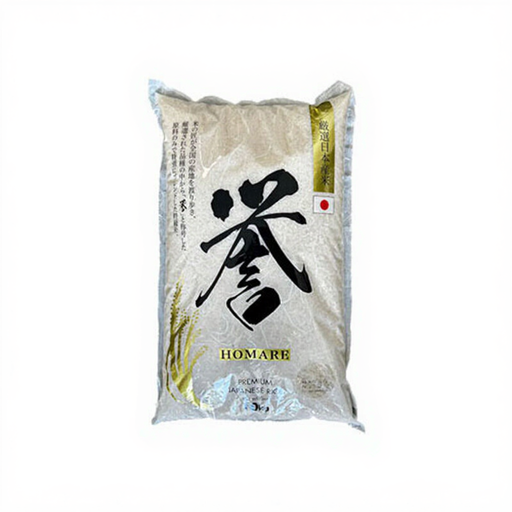
What makes it stand out This product is authentic Koshihikari rice, grown and packaged directly in Japan. The Koshihikari variety is widely regarded as the gold standard for Japanese table rice, distinguished by its exceptional balance of sweetness, aroma, and texture.
Advantages
Who is it for? For connoisseurs of Japanese cuisine and discerning home cooks who can taste the difference of a premium rice variety and don't want to compromise on authenticity for their sushi.
Choosing the right rice is a personal decision. If the products featured here don't perfectly match what you're looking for, there are other alternatives to discover. Each variety has its own subtle nuances in flavour and texture.
Browse our entire selection of Premium Japanese Rice and find the perfect foundation for your culinary creations.
The main difference lies in the grain type and starch content. Sushi rice is always a short-grain rice with a high level of amylopectin. This starch makes the grains stick together after cooking, which is essential for shaping sushi. Long-grain rice like Basmati has a higher amylose content, causing it to remain loose and fluffy.
Proper preparation is crucial. Here are the basic steps for cooking sushi rice:
Technically, you can cook any rice, but for authentic sushi, using real sushi rice is essential. Other sticky rice types like risotto rice (e.g., Arborio) have a different texture and starch profile that results in a creamy, porridge-like consistency. Long-grain rice will fall apart when you try to shape it. For a satisfying result, it is therefore advisable to look for the correct variety when buying sushi rice.