
Lieferung heute & morgen

Qualitätsgarantie
App herunterladen
Kategorien
Selecting the right Japanese bowl involves an analysis of material properties, shape, and intended use. These factors determine not only the aesthetic appeal but also the functionality and durability of the tableware in daily life. This guide examines the technical criteria relevant for making an informed purchasing decision.
The decision to purchase a Japanese bowl should be based on objective criteria. The following sections break down the essential features.
The material is the defining factor for tactile feel, weight, heat retention, and durability. In the EU, any material that comes into contact with food must comply with Regulation (EC) No 1935/2004, which ensures that no harmful substances are transferred to the food.
The shape of a Japanese bowl is rarely arbitrary. It is optimised for a specific purpose.
Japanese design is often characterised by minimalism, asymmetry, and nature-inspired motifs. The quality of the craftsmanship is evident in the evenness of the glaze, the precision of the painted details, and the stability of the foot. A well-crafted foot provides stability and slightly elevates the bowl, which improves handling.
The following products have been selected for their specific material properties, design, and functional versatility.
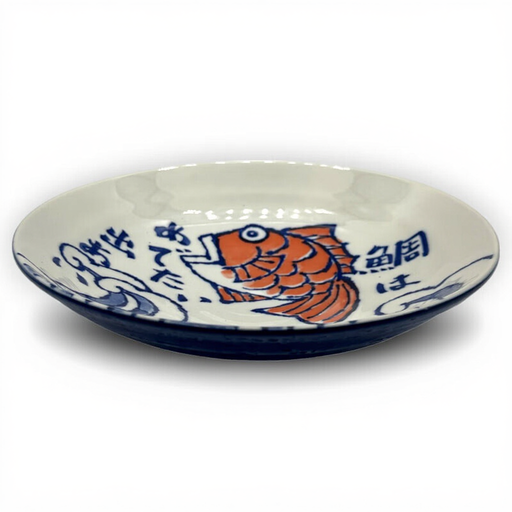
Why We Recommend This Product: This Japanese porcelain bowl combines a large 21.5 cm diameter with a relatively low 5 cm height. This proportion makes it a versatile serving or dining bowl, well-suited for dishes with less liquid, such as salads, pasta, or as a sushi bowl for multiple people. The detailed fish motif ("Sakana") is an example of artistic Japanese decoration on functional tableware.
Advantages:
Who It's For: Individuals looking for an elegant and multifunctional bowl for main courses or serving, who value a sophisticated aesthetic design.
View Product: Bowl Sakana Ø21.5 cm
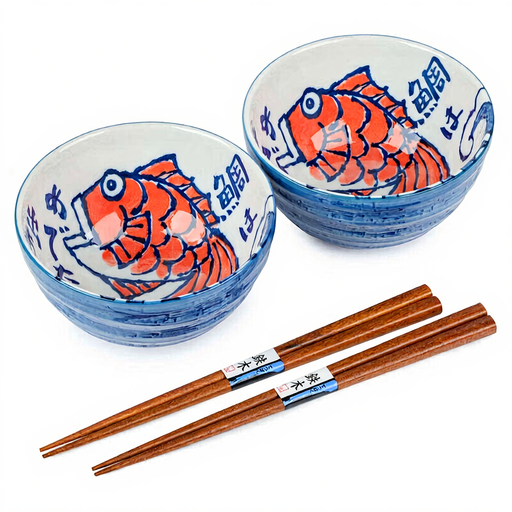
Why We Recommend This Product: With a 13.5 cm diameter and a 7 cm height, this bowl fits the classic proportions of a Japanese bowl for soups, rice, or noodles. Its suitability for the dishwasher and microwave, as stated by the manufacturer, underscores its practicality for everyday use. The traditional blue "Sakana" pattern gives it an authentic look.
Advantages:
Who It's For: Users looking for a functional and traditionally designed bowl for daily use, for example, for soups, rice, or breakfast dishes.
View Product: Bowl Sakana Dia. 13.5 cm
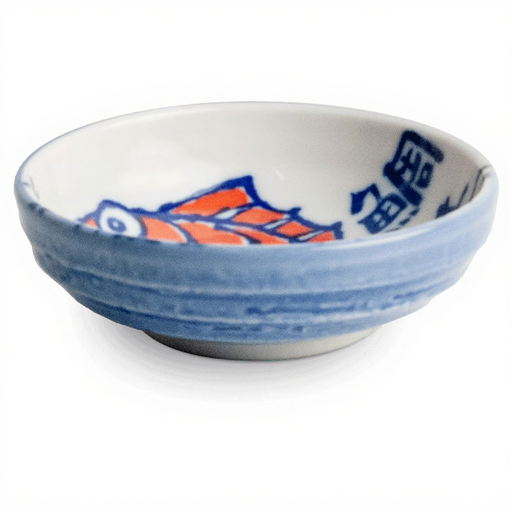
Why We Recommend This Product: With a 9.5 cm diameter and a 3 cm height, this small bowl is specifically designed as a soy sauce dip bowl. Its low profile and stable foot minimise the risk of tipping. As part of the Sakana tableware range, it allows for creating a visually cohesive table setting.
Advantages:
Who It's For: Japanese cuisine enthusiasts who need a dedicated and stylistically matching bowl for sauces and condiments to complete their sushi or sashimi experience.
View Product: Sauce dish Sakana Ø9.5 cm
Should the models presented here not meet your exact requirements, the Kitchen Tableware category offers a broader selection of Japanese tableware and other options. There you will find bowls in various sizes, materials, and designs to suit different purposes.
Discover Our Range of Kitchen Tableware
1. Are Japanese bowls dishwasher-safe? Suitability for the dishwasher depends on the material and glaze. Many modern porcelain and ceramic bowls are dishwasher-safe, as indicated by the manufacturer. However, hand-painted pieces or those with gold detailing should be washed by hand to protect the decoration. It is always advisable to consult the manufacturer's product description.
2. What is the difference between Japanese ceramic and porcelain? The main difference lies in the raw materials and firing temperature. Porcelain is made from kaolin, fired at higher temperatures, and is therefore denser, harder, and non-porous. Ceramic is made from clay, fired at lower temperatures, and is more porous and thicker. This results in differences in weight, tactile feel, and durability.
3. Which bowl is best for ramen? A typical ramen bowl is deep and has a wide diameter (often 20 cm or more) to provide ample space for broth, noodles, and various toppings. The volume should be at least 900 ml. The steep sides help to retain heat and make it easier to eat with chopsticks and a spoon.