
Lieferung heute & morgen

Qualitätsgarantie

Willkommens-Angebote freischalten: KOSTENLOSE Lieferung | Bis zu 80 % RABATT | Kostenlose 30-Tage-JoyPlus-Testphase
App herunterladen
A thoughtfully chosen Japanese bowl is more than just a vessel; it's an essential part of the culinary experience. Whether for a steaming portion of ramen, an artfully arranged donburi, or simply for rice, the right tableware enhances the aesthetics and enjoyment of your meal. However, the variety of materials, shapes, and designs can make the selection process complex.
This guide is designed to provide you with clear direction. We'll outline objective criteria for making your choice and present a curated selection of bowls that stand out for their specific features. This will help you find the perfect model for your kitchen and dining table.
To make the right decision, several key features should be considered. These will help you find a bowl that meets your needs both functionally and aesthetically.
The material has a decisive impact on the bowl's feel, appearance, and durability.
The dimensions of the bowl should be appropriate for the intended dish.
Design is a key element of the dining experience. Whether minimalist and monochrome or adorned with traditional patterns, the Asian bowl should complement your personal style and enhance the presentation of the food. Classic motifs like cherry blossoms (sakura), waves (seigaiha), or geometric patterns are common and lend an authentic character to the tableware.
Here is a selection of bowls that stand out for their specific features in design, material, and functionality.
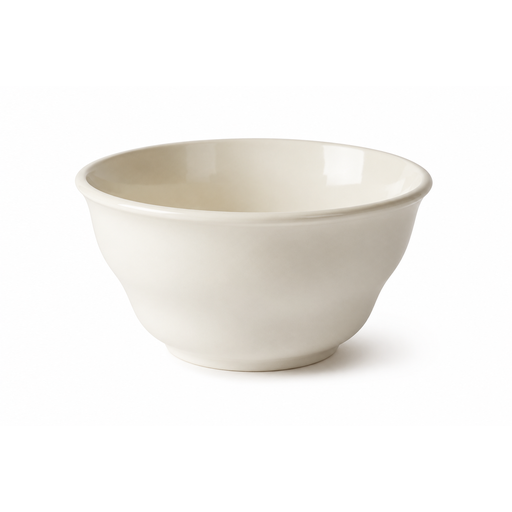
Why It Stands Out
The JIWOO Zen bowl combines minimalist design with thoughtful ergonomics. Its standout feature is the central curve, which is not just a visual detail but also ensures a stable and comfortable grip. With its large capacity, it's a versatile all-rounder for the modern kitchen.
Pros
Who Is It For?
Ideal for users looking for a functional yet stylish soup bowl for everyday use. Its simple design complements modern, Nordic, and Japanese-inspired interior styles.
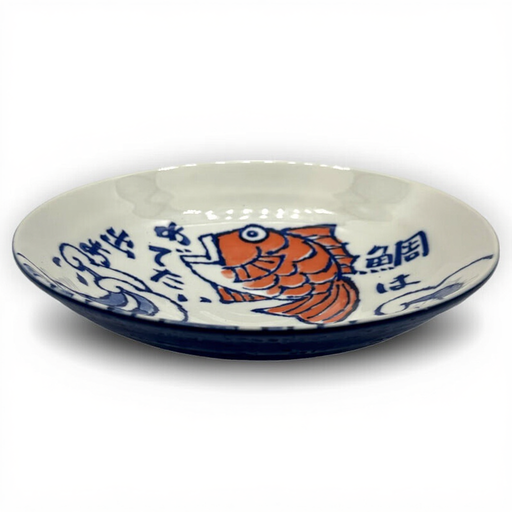
Why It Stands Out
The Bowl Sakana is an example of fine Japanese craftsmanship. Made from high-quality Japanese porcelain, it captivates with its delicate fish motif, reminiscent of the tranquility of the sea. Its flat, wide shape makes it an elegant piece of servingware.
Pros
Who Is It For?
Perfect for lovers of Japanese aesthetics looking for a special piece of Japanese tableware for their collection. It is ideal for artfully presenting culinary creations and serves as a decorative highlight on the dining table.
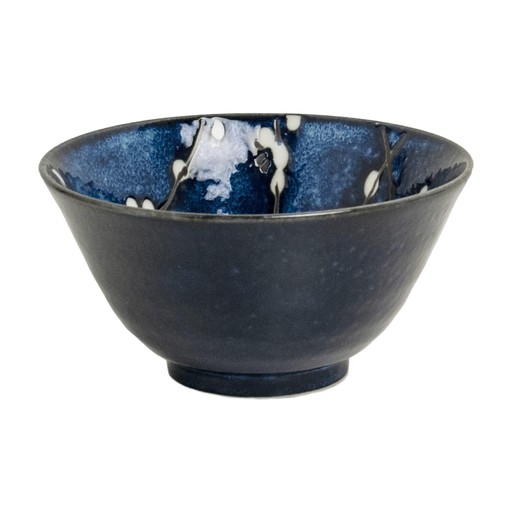
Why It Stands Out
This bowl from the KOM Edo series embodies traditional Japanese design. The classic blue and white cherry blossom pattern on high-quality porcelain makes it a timeless classic. Its compact size is ideal for side dishes or small meals.
Pros
Who Is It For?
This bowl is the right choice for anyone seeking an authentic piece of Japanese tableware with traditional charm. It's excellent for complementing an existing set or as a stylish individual rice bowl.
If these recommendations don't include the perfect Asian bowl for your needs, or if you're looking for smaller formats like a sauce dish, it's worth exploring our wider range. There you will find more designs and sizes to complete your dining collection.
1. What is the difference between a ramen bowl and a regular soup bowl? A ramen bowl is typically larger and deeper than a conventional Western soup bowl. Its design, featuring a wide diameter and steep sides, is engineered to hold a large amount of broth, noodles, and numerous toppings without them sinking or the broth spilling over.
2. Are Japanese ceramic bowls dishwasher-safe? Many modern Japanese ceramic and porcelain bowls are suitable for cleaning in the dishwasher. However, it is important to check the manufacturer's instructions for each specific product. Hand-painted or gold-decorated bowls often require more gentle hand washing to preserve the decoration.
3. What is the best material for a Japanese bowl? Both ceramic and porcelain are excellent materials. Porcelain is often lighter, thinner, and more resistant to chipping, making it very practical for daily use. A Japanese ceramic bowl made from earthenware or stoneware offers a more rustic, artisanal feel and excellent heat retention, making it ideal for hot soups. The choice ultimately depends on your desired aesthetic and functionality.