
Lieferung heute & morgen

Qualitätsgarantie

Willkommens-Angebote freischalten: KOSTENLOSE Lieferung | Bis zu 80 % RABATT | Kostenlose 30-Tage-JoyPlus-Testphase
App herunterladen
Japanese cuisine captivates with its balanced flavours and emphasis on high-quality ingredients. However, getting started can be overwhelming, especially when choosing the right condiments. Many home cooks wonder which products deliver authentic taste and are a worthwhile addition to their pantry.
This article serves as a guide. We will introduce a selection of fundamental Japanese condiments and provide practical advice to help you make an informed decision for your culinary adventures. The goal is to provide you with a solid foundation for your Japanese kitchen.
The quality of a dish depends heavily on its ingredients. With condiments, it's often the small details that make all the difference. Here are some objective criteria to guide your selection.
A short, clear ingredient list is often an indicator of a pure product. For a toasted sesame oil, the list should ideally contain only sesame oil. Additives like other vegetable oils or artificial flavourings can distort the authentic taste. Look for clear declarations to ensure you are getting a pure product suitable for authentic Japanese cooking.
Traditional manufacturers often have decades of experience. Brands like Kadoya Sesame Oil, founded in 1858, use time-tested methods to ensure a consistent and aromatic product. The origin of the raw materials and the processing method—such as the careful roasting of sesame seeds—have a direct impact on the aroma and quality of the final product.
Not every condiment is suitable for every purpose. A rice vinegar for sushi, for example, has a different acidity and flavour profile than apple cider vinegar. Toasted sesame oil is typically used as a finishing oil to add a nutty aroma to dishes just before serving, whereas it is less suitable for high-heat frying. A spicy Japanese chilli oil, also known as La-Yu, serves as a table condiment and topping, not as a primary cooking fat. Understanding these differences is crucial for success in the kitchen.
Based on the criteria above, we have compiled a selection of products that form an excellent foundation for numerous Japanese and Asian dishes.
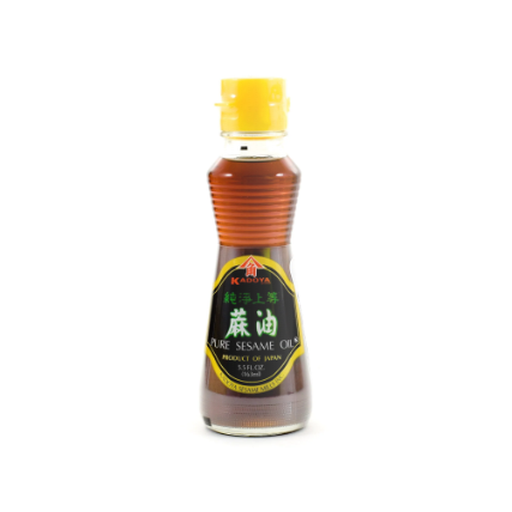
This pure sesame oil from Kadoya is a classic in Japanese cuisine, made from carefully selected and roasted sesame seeds.
Why It Stands Out It is produced by Kadoya, a renowned manufacturer based in Tokushima, Japan, operating since 1858. The product consists of 100% pure sesame oil and is crafted using traditional roasting methods, which gives it its characteristic deep, nutty aroma.
Benefits
Who It's For This oil is an indispensable ingredient for anyone looking to stock their pantry with authentic Asian cooking ingredients. It is suitable for both beginners and experienced cooks who value a high-quality finishing oil.
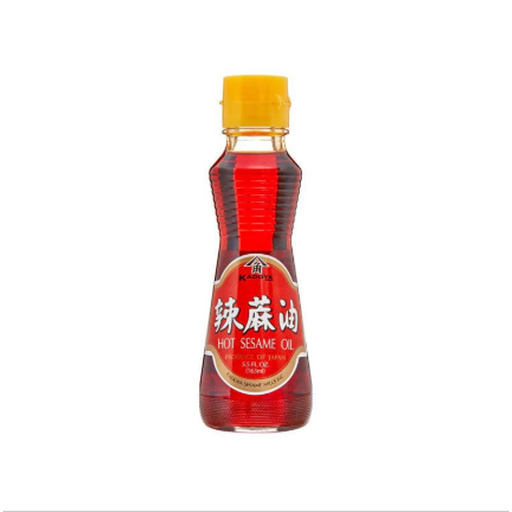
This product, known as La-Yu (辣油), is a traditional Japanese chilli oil that adds a pleasant heat and extra depth of flavour to any dish.
Why It Stands Out It combines Kadoya's pure, toasted sesame oil with chilli extract. The blend of sesame oil (99.2%) and chilli extracts (0.8%) provides a perfect balance between the nutty taste of sesame and a present but not overpowering heat.
Benefits
Who It's For Ideal for lovers of spicy food who want to add an authentic Japanese heat to their dishes. It is a perfect table condiment for customising soups, noodle dishes, and dumplings.
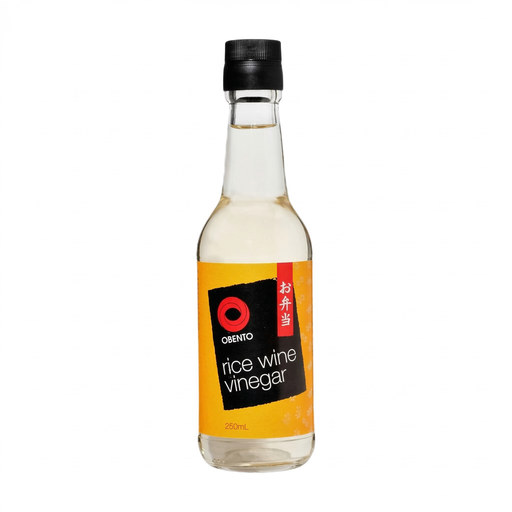
A mild, Japanese rice vinegar that is a fundamental ingredient for many recipes, especially for preparing sushi rice.
Why It Stands Out This vinegar is made from water, glutinous rice (14%), and salt. Its mild acidity and subtle flavour make it a versatile helper in the kitchen, without overpowering other aromas.
Benefits
Who It's For This product is for anyone who wants to make sushi at home or is looking for a mild vinegar for Asian salads, marinades, and pickles. It is a fundamental ingredient for an authentic flavour base.
The world of Japanese condiments is diverse, offering the perfect aroma for every dish. If you are looking for other specialities or different varieties, you can find a broader selection in our category.
? Discover our entire range of Japanese Oil here.
1. What are the essential Japanese condiments for a starter kit? A good starter kit for the Japanese kitchen typically includes Japanese soy sauce (shoyu), mirin (sweet rice wine), cooking sake, dashi (broth base), and the products featured in this article: a high-quality toasted sesame oil and a mild rice vinegar.
2. How is toasted sesame oil used correctly? Toasted sesame oil has a low smoke point and an intense aroma. It should not be used for high-heat frying, as it will turn bitter. Instead, it is used as a "finishing oil": drizzle it over the finished dish just before serving to enhance its fragrance and flavour.
3. Is Japanese chilli oil (La-Yu) very spicy? The heat level of La-Yu can vary by brand. The version from Kadoya is designed to create a pleasant, aromatic warmth that complements the dish's flavour rather than dominating it. It focuses more on aroma and complexity than on extreme heat.