
Lieferung heute & morgen

Qualitätsgarantie

Willkommens-Angebote freischalten: KOSTENLOSE Lieferung | Bis zu 80 % RABATT | Kostenlose 30-Tage-JoyPlus-Testphase
App herunterladen
The search for the perfect Japanese curry sauce to make at home can quickly become overwhelming. The shelves are filled with products promising authentic flavour, yet unclear labels and marketing hype often lead to disappointment. Many home cooks and fans of Asian cuisine invest in a product only to find it doesn't meet their expectations.
As your Joybuy Product Recommendation Officer, I'm here to help you navigate the common pitfalls. We'll focus on the facts so you can make an informed decision.
The 3 Most Common Mistakes When Buying Curry Products:
To make the right purchase, you should check three core parameters. These will help you objectively evaluate product claims and find the right product for your kitchen.
The preparation method and the desired result depend directly on the format of the curry product.
Japanese curries are typically offered in heat levels such as mild (甘口, amakuchi), medium-hot (中辛, chūkara), and hot (辛口, karakuchi). Some brands also offer varieties like extra hot curry. Unlike many Indian or Thai curries, the focus here is not just on pure heat, but on a balanced, aromatic spice profile. A Japanese curry labelled "hot" can therefore have a pleasant, warming heat without overpowering the palate.
A close look at the ingredients is essential.
Here are some recommendations tailored to different needs and cooking habits.
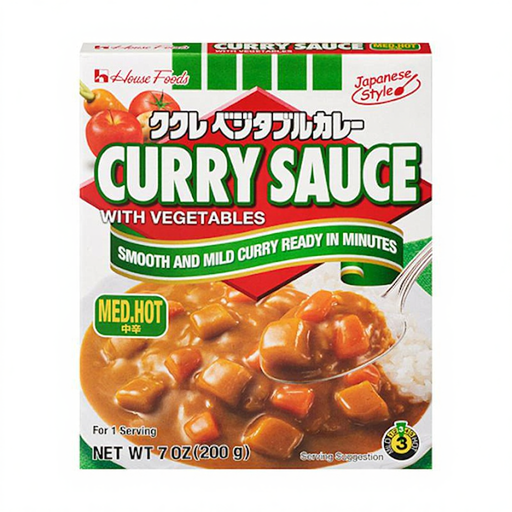
Why This Fits Their Persona: This ready-made curry is the ideal solution for a quick and hassle-free meal. Simply heat the pouch in a water bath or warm the contents in the microwave and serve over rice. Perfect for days when there's no time to cook.
It bypasses the "wrong product format" trap. As a ready-made curry, it directly delivers the desired result—a finished, thick sauce with vegetables—without any additional cooking steps.
Already contains potatoes and carrots. Preparation takes only a few minutes. The base of 29 spices ensures a deep flavour.
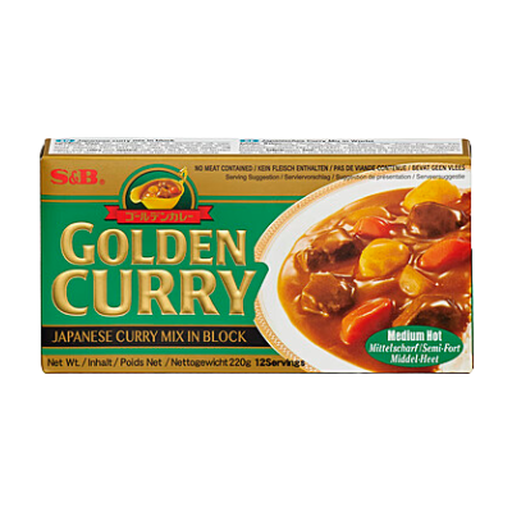
Why This Fits Their Persona: This curry roux offers the perfect balance between convenience and culinary freedom. It provides the authentic, complex base and allows the cook to add fresh ingredients like meat, fish, or vegetables to their own taste.
This is a classic curry roux that avoids the "authenticity" fallacy. It delivers the genuine, rich flavour and velvety texture expected from Japanese curry.
The block format allows for easy portioning. The blend of 35 herbs and spices provides a deep, balanced aroma. The product is vegetarian.
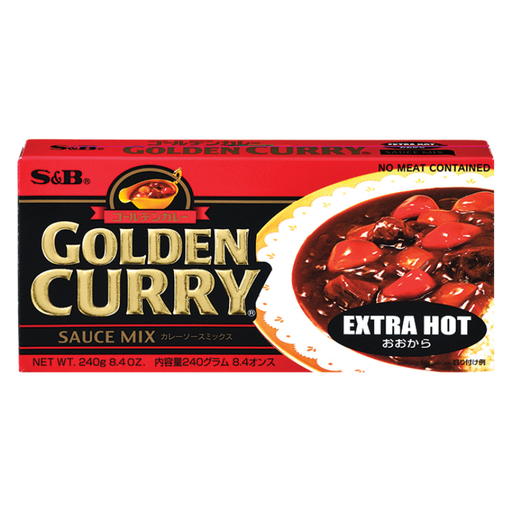
Why This Fits Their Persona: For those who find "hot" isn't hot enough. This "Extra Hot" version of the classic curry roux delivers an intense yet aromatic heat that blends harmoniously into the overall flavour profile without masking the other spice notes.
This product delivers on its "Extra Hot" promise. It avoids the disappointment of buying a product advertised as hot that turns out to be mild.
Offers a significant kick from chilli and pepper, while remaining an authentic Japanese curry roux with a complex flavour profile.
We have compiled a complete, up-to-date list of products that meet these strict selection criteria and comply with German food regulations.
The main difference lies in their composition and application. Curry powder is a dry mix of ground spices. To make a sauce with it, you need to create your own base of fat and flour (a roux). A curry roux is a finished product that already contains this base. It's a solid block that dissolves in hot liquid, simultaneously seasoning and thickening the sauce, which leads to the typically velvety consistency.
Once opened, the unused portion of the curry roux should be stored in an airtight container in the refrigerator. This preserves the aroma and protects the product from moisture. Most manufacturers recommend using the roux within a few weeks to months. You can find specific information on the product packaging.
Yes, it's possible. Traditional curry roux blocks often contain animal fats. However, there are ready-made sauces explicitly labelled as "plant-based" or vegan, as well as some roux products based on purely vegetable oils. A look at the ingredient list is crucial here. Alternatively, you can use a vegan curry paste as a base and process it with plant-based cream or coconut milk to create a creamy sauce.