
Lieferung heute & morgen

Qualitätsgarantie

Willkommens-Angebote freischalten: KOSTENLOSE Lieferung | Bis zu 80 % RABATT | Kostenlose 30-Tage-JoyPlus-Testphase
App herunterladen
Japanese cuisine has become incredibly popular in Germany. However, for an authentic experience at home, it's not enough to simply source the ingredients for ramen, sushi, or donburi. The right cutlery plays an essential role in both aesthetics and enjoyment. Yet, finding high-quality and visually appealing Japanese cutlery can be a challenge. Many products on the market vary significantly in material, craftsmanship, and design.
This article serves as your guide. As your Joybuy Product Recommendation Officer, I have gathered information to help you make an informed choice. We will explore what to look for when buying and introduce specific products that stand out for their exceptional qualities.
To find the perfect cutlery for your needs, you should consider a few fundamental criteria. These will help you make an educated decision when you're looking to buy Asian tableware.
The material affects not only the look and feel but also the durability and care of the cutlery.
Consider what you need the cutlery for. Are you looking for a simple chopstick set for daily use or an elegant chopstick gift set for a special occasion? A gift set often includes several pairs of chopsticks and matching rests, all presented in an attractive box. For noodle soup lovers, a set combining chopsticks with a matching ramen spoon is a practical addition.
The design should be both aesthetically pleasing and functional. Japanese soup spoons have a deeper, flatter shape than Western spoons, making it easier to scoop up broth and ingredients. The length and shape of the chopsticks should fit comfortably in your hand. Traditional patterns like cherry blossoms (Sakura) or geometric designs (Tokusa) lend an authentic touch to your table setting.
Based on the criteria mentioned, we have curated a selection of products that excel in material, design, and functionality.
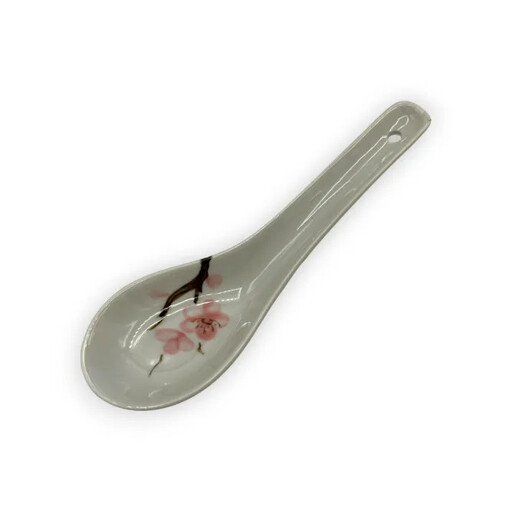
Why It Stands Out This spoon from Emro Asiatica combines functionality with a classic Japanese design. The delicate Sakura cherry blossom motif on high-quality white ceramic makes it a centerpiece on any table.
Advantages
Who Is It For? Ideal for lovers of Asian cuisine who are looking for a functional yet aesthetically pleasing soup spoon for dishes like ramen, pho, or miso soup.
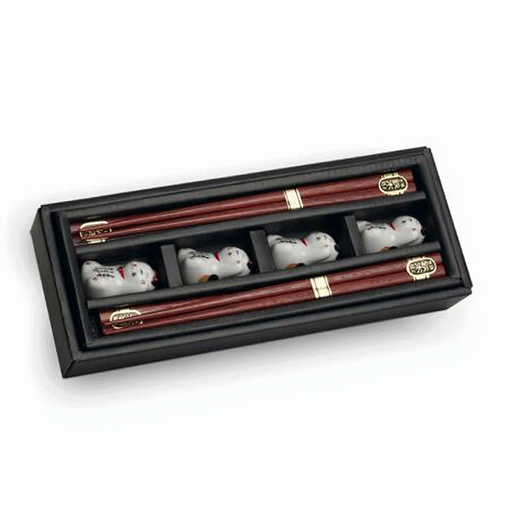
Why It Stands Out This set is more than just cutlery—it's a complete arrangement for your table and an excellent gift idea. The combination of dark wooden chopsticks and charming Maneki Neko (beckoning cat) stone rests makes it truly special.
Advantages
Who Is It For? Perfect as a chopstick gift set for friends of Japanese culture or for anyone looking to enhance their own table setting with a complete and stylish set.
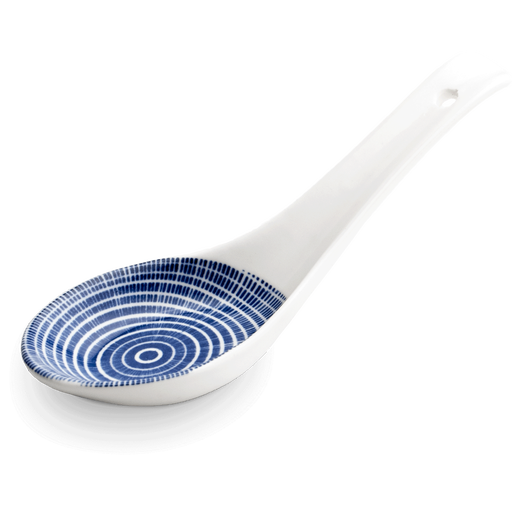
Why It Stands Out This spoon is distinguished by its traditional craftsmanship. The Tokusa pattern, with its blue lines on a white background, is a classic Japanese design. According to the manufacturer, each piece is handmade, giving it a unique character.
Advantages
Who Is It For? For those who value traditional craftsmanship and unique designs. This spoon is an asset to any collection of Asian tableware and is equally suited for everyday use.
The selection presented here covers specific needs. If you are looking for more inspiration, whether for other types of tableware or special gifts, you will find a diverse collection in our broader category.
Discover more products in our Gifts and Pens category.
1. What is included in a traditional Japanese table setting? A basic Japanese table setting typically consists of chopsticks (Hashi) and a chopstick rest (Hashioki). Depending on the dish, other elements are added, such as a Japanese soup spoon (Ren-ge) for ramen or other soups, as well as various bowls (Chawan for rice, Shiruwan for soup) and small plates for side dishes. The arrangement follows the established rules of Japanese dining etiquette.
2. How do you properly care for wooden chopsticks? Wooden chopsticks, especially those that are unlacquered or lightly treated, should be cleaned by hand with lukewarm water and a mild detergent. Avoid leaving them to soak in water for extended periods, as the wood can swell. Cleaning in the dishwasher is generally not recommended, as high temperatures and aggressive detergents can damage the material. Dry the chopsticks thoroughly after washing.
3. Are Japanese ceramic spoons generally dishwasher-safe? The dishwasher suitability of ceramic spoons depends on the glaze and the type of decoration. Many modern ceramic products are dishwasher-safe, like the "Sakura Spoon" featured above. However, for handmade pieces or those with fine decorations, hand-washing is often recommended to ensure the longevity of the colours and material. Always check the manufacturer's care instructions.