
Lieferung heute & morgen

Qualitätsgarantie

Willkommens-Angebote freischalten: KOSTENLOSE Lieferung | Bis zu 80 % RABATT | Kostenlose 30-Tage-JoyPlus-Testphase
App herunterladen
The diversity of Japanese beverages is finding an ever-growing audience worldwide. From refreshing sodas to traditional teas, the selection is constantly expanding. But as the options grow, so does the difficulty of finding products that live up to their promises. Many consumers encounter drinks that look authentic but are disappointing in taste or hide unexpected ingredients.
As your Joybuy Product Recommendation Officer, I'm here to help you recognise the common pitfalls and make an informed choice. Pay special attention to these three points:
To ensure you get a product that meets your expectations, you should check a few basic criteria before purchasing. These will help you objectively evaluate the quality and character of a beverage.
The ingredient list is the most important tool for separating the wheat from the chaff. For a high-quality Japanese iced tea, tea extract or freshly brewed tea should be high on the list, not just "flavouring."
If you're considering matcha latte powder or hojicha blends, pay attention to the percentage of tea. A higher matcha content usually indicates a more intense and authentic taste. Products like Aojiru powder, a drink made from young barley grass, should ideally contain only one ingredient: 100% barley grass powder. This ensures you are purchasing a pure and unadulterated product.
Japanese drinks come in various forms: ready-to-drink, as an instant powder, or as a bubble tea kit for home preparation. Your choice should depend on your lifestyle and taste preferences.
Before you decide, consider the occasion for the drink. Are you looking for quick refreshment on a warm day? Then a chilled soda or iced tea might be the right choice. Do you want to buy Ramune to experience the iconic opening ritual with the glass marble? Or do you want to prepare a creamy café-style matcha latte at home? Clearly defining the purpose will help you search for the right product and avoid disappointment when you buy Asian drinks online.
To make your choice easier, we have matched some products to different user profiles.
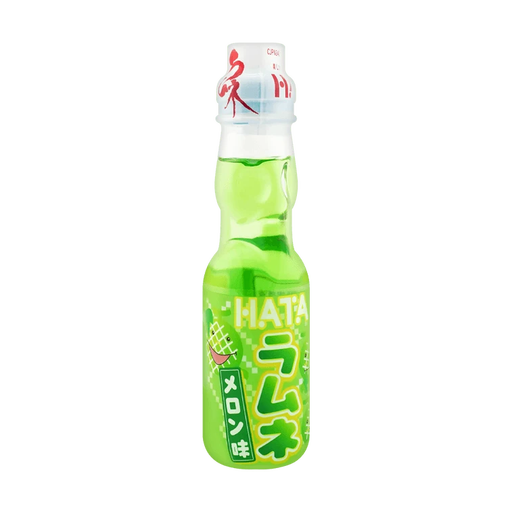
Why This Fits Their Persona: Ideal for anyone diving into the world of Japanese sodas for the first time. The unique marble stopper makes opening it an experience, and the sweet melon flavour is approachable and refreshing.
This drink doesn't make false health claims. It's a classic, sweet soda that delivers exactly what it promises: a fun and flavourful experience.
The iconic marble stopper (Codd-neck bottle) offers high recognition value and turns drinking it into a small event.
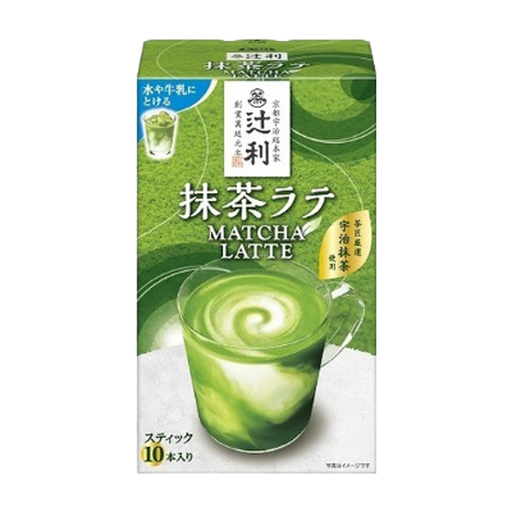
Why This Fits Their Persona: Perfect for lovers of creamy hot drinks who want to replicate the taste of a café-style matcha latte at home without the effort.
This product bypasses the powder quality trap. It comes from a renowned tea house (Tsujiri) and declares a matcha content of ≥2%, ensuring a well-rounded balance between sweetness and tea flavour.
The convenient single-serving sachets guarantee quick and easy preparation with a consistent taste experience—hot or cold.
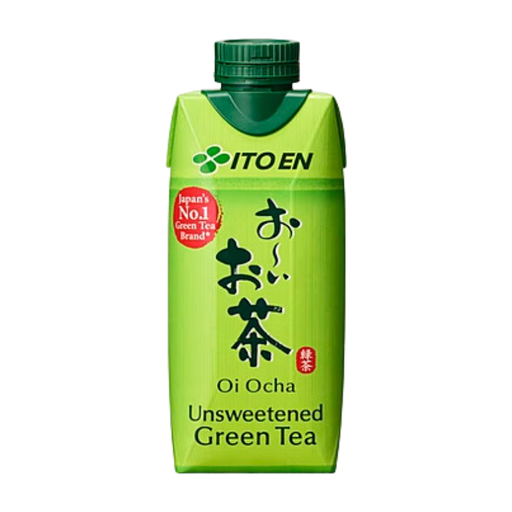
Why This Fits Their Persona: For those who seek the pure, unadulterated taste of green tea. This drink is an excellent choice for daily enjoyment as it contains no sugar and no calories.
This product is the direct answer to the sugar trap. The ingredient list is short and transparent, and the nutrition facts confirm it: 0g of sugar and 0 kcal. Here, you get pure green tea.
Authentic, crisp green tea flavour without any sweetness. Ideal as a refreshing thirst quencher or an accompaniment to meals.
We've compiled a complete, up-to-date list of products that fully meet these strict selection criteria.
Opening a Ramune bottle is an integral part of the experience. First, remove the outer wrapper from the cap. Inside the cap, you'll find a plastic plunger. Press this plunger firmly onto the glass marble in the bottle's neck until the marble drops into the bottle with a fizz. Hold the bottle at a slight angle to prevent it from fizzing over.
The difference lies in cultivation and processing. Matcha is made from tea plants that are shade-grown for several weeks before harvest. This causes the leaves to produce more chlorophyll and amino acids, resulting in the vibrant green colour and characteristic umami flavour. After harvesting, the leaves are steamed, dried, and the veins are removed before they are ground into a fine powder. Regular green tea powder is often made from unshaded leaves and also includes the veins, which leads to a more bitter taste and a less intense colour.
Yes, absolutely. Aojiru powder is highly versatile. Traditionally, it is stirred into water or milk. However, you can also easily mix it into smoothies, juices, or yoghurt to boost their nutritional profile. Its slightly grassy taste pairs well with fruits like bananas or apples.