
Lieferung heute & morgen

Qualitätsgarantie

Willkommens-Angebote freischalten: KOSTENLOSE Lieferung | Bis zu 80 % RABATT | Kostenlose 30-Tage-JoyPlus-Testphase
App herunterladen
Crafting authentic Japanese dishes starts with the right ingredients. However, the market for Japanese groceries can be overwhelming for home cooks and even seasoned restaurateurs. Vague product descriptions and exaggerated marketing claims often lead to culinary disappointment. So, before you next buy sushi rice or choose a premium sake, you should know the most common pitfalls to avoid a poor investment.
This guide reveals what truly matters when making your selection and helps you find products that live up to their specifications.
To ensure you're getting authentic quality, you should check two core parameters before purchasing Asian groceries online.
Not every short, round rice grain is suitable for Japanese cuisine. The key to perfect sushi or onigiri rice lies in its varietal and starch content.
When you buy sake, understanding its classification is crucial for assessing its flavour and quality.
Here are some product recommendations tailored to specific needs and user profiles.
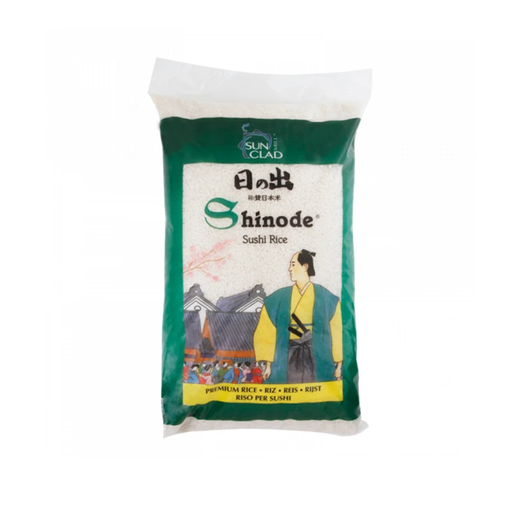
Why This Fits Their Persona: Ideal for restaurants or families who cook Japanese food regularly. The 10kg bulk package offers excellent value for money and ensures consistent quality across a wide range of dishes.
This product is explicitly specified as a short-grain rice with high stickiness for sushi and onigiri, thus bypassing the pitfall of non-specific "sushi rice".
The bulk size reduces the cost per serving. Its consistent texture and mild flavour make it a reliable foundation for professional-quality results.
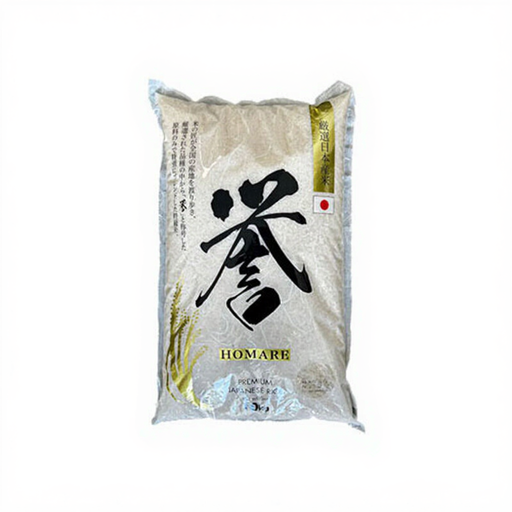
Why This Fits Their Persona: For cooks who prioritise authentic flavour. This Koshihikari varietal rice from Japan is a benchmark for quality and delivers the perfect texture for special dishes.
The clear declaration as a Koshihikari varietal and its origin in Japan guarantee authenticity, unlike vaguely labelled "Japanese-style" rice.
Offers a superior balance of stickiness, firmness, and flavour. The 5kg package is ideal for regular use in a discerning household.
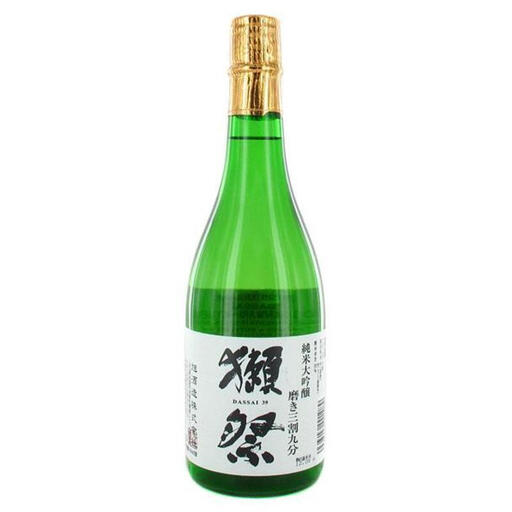
Why This Fits Their Persona: An excellent choice for connoisseurs seeking a refined and elegant sake for a special occasion or as a gift. Dassai is an internationally recognised brand in the premium segment.
The "39" in the name transparently indicates the high rice polishing ratio of 39%. This is a clear quality indicator and avoids the deception of vague premium terms.
Classified as Junmai Daiginjo, the highest quality grade. It offers an exceptionally smooth, aromatic flavour profile with notes of ripe melon.
We have compiled a complete, up-to-date list of products that fully meet these strict selection criteria.
Authentic Japanese sushi rice consists of short, round grains that have a pearlescent sheen after cooking. Look for the rice varietal on the packaging, such as Koshihikari or Akitakomachi. Another indicator is the origin. Rice grown and processed in Japan typically offers the most authentic quality.
Opened sake should always be stored in the refrigerator to protect its delicate aromas. Seal the bottle tightly and try to consume the contents within one to two weeks. Light and heat are sake's biggest enemies, as they can quickly degrade its flavour.
In theory, you can use any sticky short-grain rice, but for the best results, a specific onigiri rice or Japanese rice is recommended. These varietals have an optimal balance of stickiness and firmness, ensuring the rice balls hold together well without becoming mushy and retain a pleasant bite.