
Lieferung heute & morgen

Qualitätsgarantie

Willkommens-Angebote freischalten: KOSTENLOSE Lieferung | Bis zu 80 % RABATT | Kostenlose 30-Tage-JoyPlus-Testphase
App herunterladen
Anyone who wants to cook authentic Japanese food often faces a challenge: the local supermarket offers only a limited selection, and the range available at an online Asian grocer can be overwhelming. Deciding which Japanese ingredients are the right ones quickly becomes complicated. Many products look similar but have fundamentally different flavour profiles and uses.
This guide will help you avoid common purchasing mistakes and specifically select the products you truly need for dishes like ramen, sushi, or oden. We focus on objective criteria so you can make informed decisions.
To avoid these mistakes, it helps to understand the fundamental building blocks of Japanese cuisine. Focus on these three aspects before you buy Japanese groceries.
Dashi is the fundamental broth that gives countless Japanese dishes their characteristic umami flavour. Choosing the right form is crucial.
Miso is a fermented soybean paste and a central component of many dishes. The variety significantly determines the flavour.
Nori sheets are essential for sushi, onigiri, or as a crispy garnish. The quality can vary greatly. Look for the following characteristics:
Here are some product recommendations tailored to different needs and experience levels.
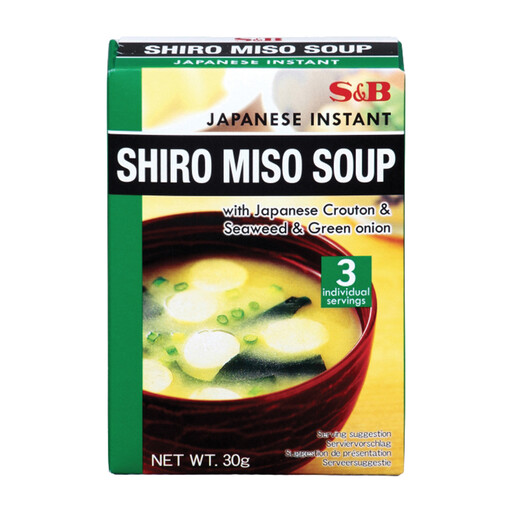
Why This Fits Their Persona: Ideal for those who want to experience the taste of miso soup quickly and easily, without having to prepare dashi broth or measure out miso paste. Perfect for a lunch break at the office or a quick dinner.
This product is clearly labelled as "Instant." It avoids the trap of unclear function because its purpose is explicit: just add hot water. You get exactly what you expect—a quick, tasty soup.
Preparation takes only a few seconds. The mix already contains shiro miso, wakame seaweed, and croutons, which provides a well-rounded flavour and texture.
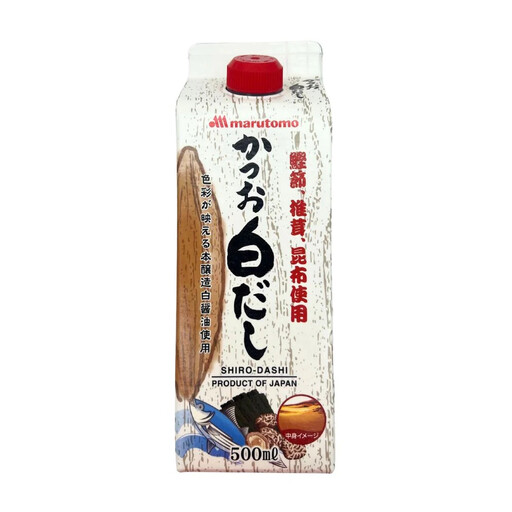
Why This Fits Their Persona: For cooks who value finesse. This light dashi concentrate allows for the preparation of clear broths and sauces that don't alter the colour of fresh ingredients. It's a versatile base for sophisticated dishes like chawanmushi or udon soups.
It bypasses the "authenticity" trap with a clear ingredients list featuring high-quality components (katsuobushi, kombu, shiitake). The EU-HACCP certification also signals a verified quality standard that goes beyond simple seasoning sauces.
The main advantage is the complex umami flavour while preserving the colour of the food. The dilution instructions on the packaging ensure easy and foolproof application.
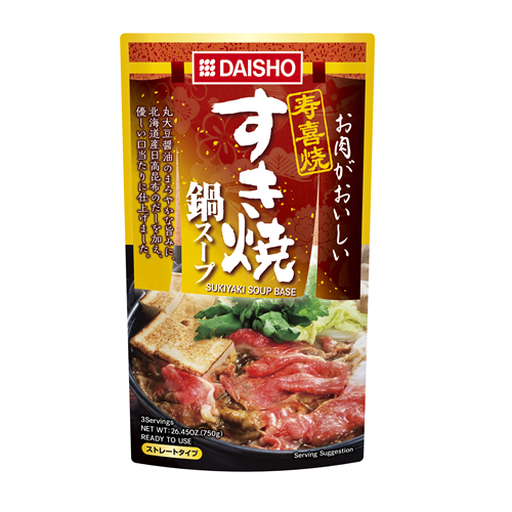
Why This Fits Their Persona: Perfect for anyone who wants to create an authentic Sukiyaki experience at home without having to mix the sweet and savoury broth from scratch. This ready-made base allows you to focus entirely on the quality of the fresh ingredients like beef, tofu, and vegetables.
This product solves the "wrong variety" problem. Instead of experimenting with individual ingredients and potentially getting an unbalanced result, this base delivers a traditionally balanced flavour specifically designed for sukiyaki.
The ready-to-use preparation saves time and guarantees an authentic taste experience. The base, featuring Hijiki seaweed from the Hidaka region, provides a special depth of flavour.
We've compiled a complete, up-to-date list of products that fully meet these strict selection criteria and relevant regulations.
Dashi is the pure base broth, usually made from bonito flakes and/or kombu seaweed. It is unsalted and forms the foundation for many dishes. Tsuyu is a seasoning sauce based on dashi but with added soy sauce, mirin (sweet rice wine), and sugar. Tsuyu is a concentrate and is typically diluted with water to make noodle soups or dipping sauces.
Most liquid seasoning sauces (like soy sauce, tsuyu, mirin) and pastes (like miso) should be stored in the refrigerator after opening. They generally last for several weeks to months. Always check the manufacturer's instructions on the packaging. Dried ingredients like Nori sheets or wakame should be stored in a dry, dark place to maintain their quality.
Yes, but it requires attention to detail. Many traditional dashi products contain bonito (fish). Look specifically for Kombu Dashi, which is based exclusively on seaweed, such as Ajinomoto Hondashi Konbudashi. Miso pastes, soy sauce, rice vinegar, and nori seaweed are typically vegetarian by nature. However, always check the ingredients list to ensure no fish or meat extracts have been added.