
Lieferung heute & morgen

Qualitätsgarantie

Willkommens-Angebote freischalten: KOSTENLOSE Lieferung | Bis zu 80 % RABATT | Kostenlose 30-Tage-JoyPlus-Testphase
App herunterladen
Preparing authentic Japanese dishes at home is a rewarding experience. But the journey begins with selecting the right ingredients. When shopping for Japanese ingredients, you're often faced with an overwhelming array of options. Misleading labels and vague product descriptions frequently lead to disappointment and unnecessary expense. This guide will help you navigate the common pitfalls and find the exact products you need for your culinary adventures.
As your Joybuy Product Recommendation Officer, I'll filter the essential information for you, so you can make informed decisions without being swayed by marketing hype.
Before we dive into the details, let's highlight two common problems that frequently arise when shopping for Asian cooking ingredients:
To ensure you're getting authentic quality, focus on a few crucial characteristics. These will help you separate the wheat from the chaff when you want to cook Japanese food.
Japanese soy sauce is the foundation of many dishes. The main types are:
Pay attention to the ingredients list: a traditionally brewed soy sauce consists only of water, soybeans, wheat, and salt.
This is where one of the biggest risks of confusion lies.
When you want to buy miso paste, the colour is a good indicator of its flavour:
A look at the ingredients list will tell you if the paste was traditionally made from soybeans, rice or barley, and salt.
Here are some product recommendations tailored to specific needs and use cases.
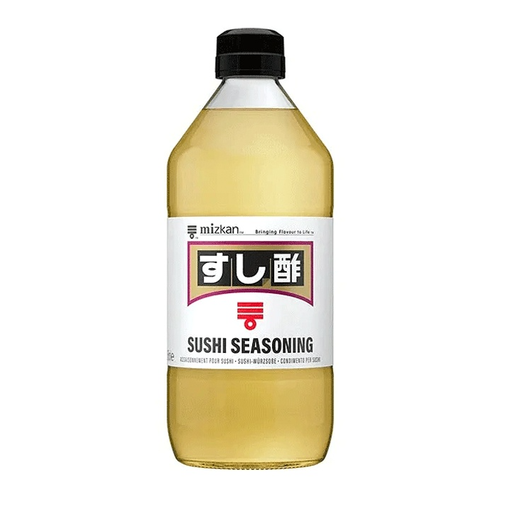
Why This Fits Their Persona: Ideal for anyone making sushi for the first time. This ready-made seasoning mix takes the guesswork out of preparing perfect sushi rice, ensuring a foolproof result.
Bypasses the trap of incorrect measurements. Instead of having to measure out vinegar, sugar, and salt individually, this product offers a balanced, ready-to-use mixture, preventing one of the most common beginner mistakes.
Ready-to-use sushi vinegar for consistent results. Contains kelp extract for an added umami note.
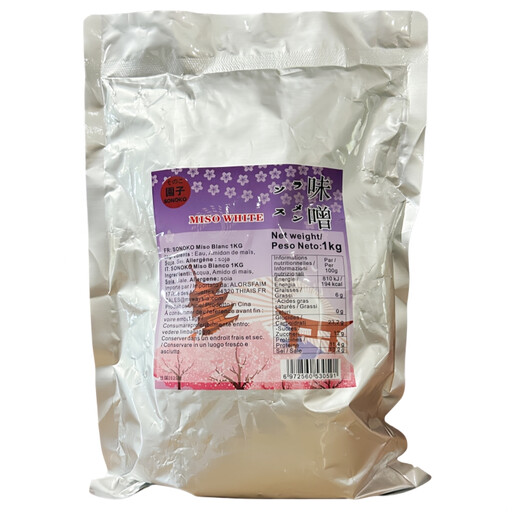
Why This Fits Their Persona: For home cooks who regularly prepare Japanese dishes, or for use in a professional kitchen. The 1kg bulk pack offers excellent value for money and ensures this versatile staple is always on hand.
Avoids the inflated price of small specialty jars. Buying a larger quantity is more economical and reduces packaging waste.
Mild, slightly sweet and salty white miso paste that is suitable for soups, marinades, and dressings. A versatile base ingredient for everyday use.
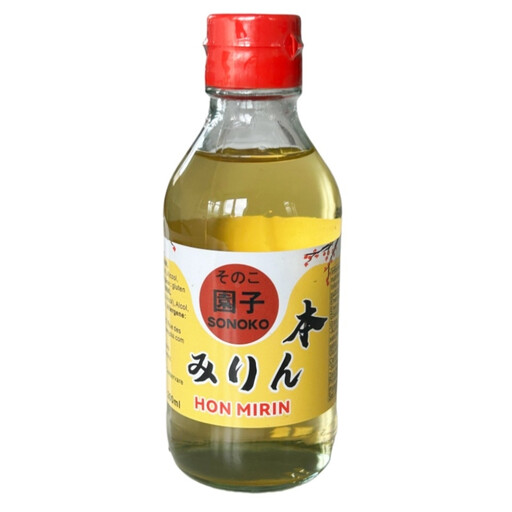
Why This Fits Their Persona: For cooks who value traditional production methods and authentic taste. This product is a hon-mirin, not a mirin substitute, and delivers the complex sweetness and glaze characteristic of dishes like teriyaki or sukiyaki.
Evades the 'Japanese-style' trap as it is a genuine, brewed mirin, not a syrup-based seasoning. The ingredient list is transparent and based on traditional components.
Adds depth, shine, and a balanced sweetness to dishes. Essential for rounding out flavours and reducing the odours of fish or meat.
We've compiled a complete, up-to-date list of products that fully meet these strict selection criteria and local regulations.
Opened miso paste should always be stored in the refrigerator. To protect the surface from drying out, you can cover it with plastic wrap. Soy sauce and mirin are best kept in a cool, dark place; after opening, refrigeration is also recommended to preserve the flavour.
Although both are based on soybeans, there are distinct differences. Japanese soy sauce (shoyu) typically contains wheat, which gives it a slightly sweeter and more complex aroma. Chinese soy sauces are often saltier and more potent. For an authentic Japanese dish, using shoyu is recommended.
The majority of the product sold as wasabi in tubes or powder form consists mainly of horseradish, mustard extract, and green food colouring. Real wasabi (Wasabia japonica) is a plant whose grated stem has a sharp, yet fresh and slightly sweet aroma. It is rare and significantly more expensive. For home use, the paste from a tube is a practical and widely accepted alternative.