
Lieferung heute & morgen

Qualitätsgarantie

Willkommens-Angebote freischalten: KOSTENLOSE Lieferung | Bis zu 80 % RABATT | Kostenlose 30-Tage-JoyPlus-Testphase
App herunterladen
For many professionals, students, and families, daily life is often hectic. The desire for a quick, yet tasty and filling meal is strong. A Japanese instant curry offers a convenient solution, bringing the authentic taste of Japanese cuisine straight to your home with ease.
This article serves as your guide. We will introduce various options and explain the key features to look for when making your choice. Our goal is to provide you with the information you need to make an informed decision and find the perfect product for your taste and needs.
The selection of ready meals can be overwhelming. The following points will help you make the right choice.
Japanese curry is known for its mild, slightly sweet, and umami-rich flavour, but it varies in heat. Manufacturers typically offer clearly labelled levels:
Most Japanese instant curries are sold as boil-in-the-bag curry (retort pouches). This type of packaging is especially convenient as it allows for quick and clean preparation. Typically, the unopened pouch is placed in boiling water for a few minutes. The contents are then simply poured over cooked rice or noodles. This method makes it an ideal quick curry dish for the office or a hassle-free dinner.
It's always a good idea to check the ingredient list. Many products, like the S&B Golden Curry, already contain vegetables such as potatoes, carrots, and onions. For those who prefer a meat-free diet, there are numerous options for a vegetarian instant curry. Pay attention to the exact composition and allergen information to ensure the product meets your requirements. The base of a ready-made Japanese curry sauce typically consists of a blend of spices, flour, and fats, which creates its characteristic thick and creamy texture.
Based on the criteria above, we have compiled a selection of products that cater to different taste preferences.
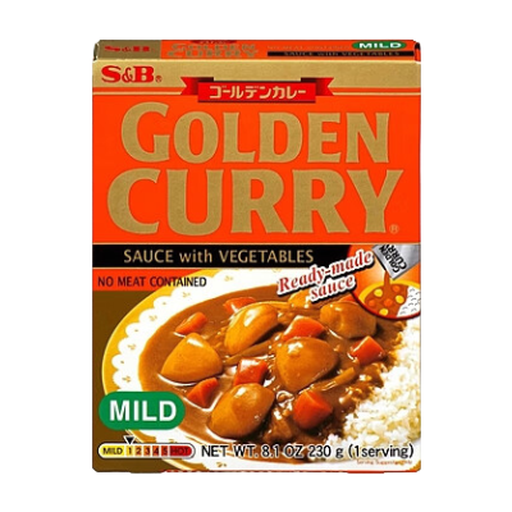
Why It Stands Out This mild version of the classic Japanese curry is designed for a gentle and balanced flavour. The creamy sauce already contains pieces of potato, carrot, and onion, offering a complete meal component.
Pros
Who It's For This product is a great choice for families and individuals who appreciate the authentic but not spicy taste of Japanese curry. It's ideal for a quick lunch or dinner.
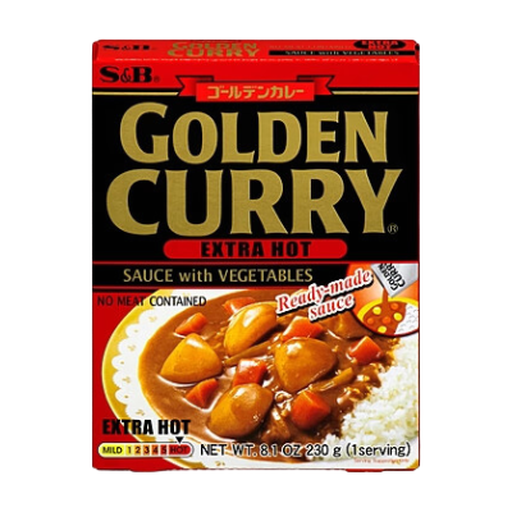
Why It Stands Out For those who love the heat, this "Extra Hot" version offers an intense and robust spiciness. Despite the heat, the characteristic rich flavour of Japanese curry is preserved.
Pros
Who It's For This Japanese instant curry is aimed at those who prefer a pronounced level of heat and are looking for a quick yet flavourful meal.
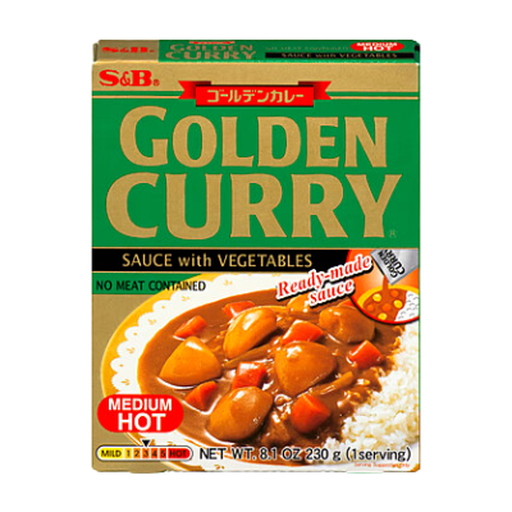
Why It Stands Out This medium version strikes the perfect balance. It offers a pleasant, noticeable spice that enhances the flavour of the rich sauce without being too hot.
Pros
Who It's For Ideal for anyone looking for a classic Japanese curry with a balanced but not overwhelming level of heat. It's the all-rounder option for everyday enjoyment.
A ready-made curry is an excellent base. You can customise it to your liking with fresh ingredients like steamed broccoli, edamame, or pak choi. If you want to enhance your dish or discover more components for Asian cuisine, you'll find a wide selection in our category.
Discover Our Range of Asian Vegetables
1. How do you prepare a Japanese boil-in-the-bag curry? Preparation is very simple. Place the unopened pouch in a pot of boiling water for 3 to 5 minutes. Carefully remove the pouch from the water, cut it open, and pour the contents over a serving of cooked rice or noodles. Alternatively, the contents can be poured onto a microwave-safe plate and heated according to the package instructions.
2. Is Japanese curry always spicy? No, Japanese curry is available in various spice levels. The most common levels are mild (amakuchi), medium (chūkara), and hot (karakuchi). The mild version is often slightly sweet and also suitable for children, while the hot versions have a distinct spiciness.
3. What is the difference between Japanese and Indian curry? Although both are called "curry," they differ significantly. Japanese curry (Karē) is generally thicker, milder, and sweeter in taste. The sauce is often thickened with a roux base (flour and fat). Indian curry, on the other hand, is characterized by a greater variety of spice blends (masalas), often has a thinner consistency, and can have very different flavour profiles depending on the region, ranging from creamy and mild to intensely spicy.