
Lieferung heute & morgen

Qualitätsgarantie

Willkommens-Angebote freischalten: KOSTENLOSE Lieferung | Bis zu 80 % RABATT | Kostenlose 30-Tage-JoyPlus-Testphase
App herunterladen
Japanese and Korean face masks are available in Germany in many forms: face sheet masks, sheet masks, hydrogel masks, wash-off products and overnight face masks. The choice often comes down to ingredients such as rice, collagen, vitamin C or niacinamide. However, this is where common purchasing mistakes arise: attractive packaging says little about fit, application or skin compatibility.
As a Joybuy Product Recommendation Officer, I assess the most important purchasing criteria objectively. The aim is not to repeat marketing claims, but to match products to specific skin needs and usage habits based on clear, verifiable features.
Names such as collagen face mask, vitamin C face mask or rice face mask initially describe only ingredients or the product line. They do not automatically indicate a specific change in the skin. Collagen in a cosmetic formula, for example, may primarily be used to care for the skin’s surface. With vitamin C, the specific form, concentration and position in the INCI list are important.
A sheet mask should not automatically be worn for longer than recommended. If the sheet dries out, it may leave your skin feeling less comfortable. For the products mentioned here, the recommended application times range from around 5 to 20 minutes, depending on the formula. A sheet mask should also not be worn overnight unless it is explicitly designed as an overnight product.
The size and position of the eye, mouth and nose openings, as well as the length of the sheet, affect application comfort. A mask that adheres well to the cheeks but lifts away around the nose or chin will distribute the essence less evenly. Hydrogel or 3D designs may be more practical for different face shapes than a flat, standard sheet.
Typical ingredients in a face moisturising mask include glycerin, butylene glycol, hyaluronic acid, panthenol and ceramides. If you have dry skin, applying a cream afterwards may also be helpful, so that the skincare does not remain only on the skin’s surface.
If you are looking for a face mask for dry skin, you should also check for potentially unwanted ingredients. Alcohol, perfume, essential oils and certain plant extracts may not feel comfortable on every skin type. Tolerance is individual. If you have sensitive skin, a patch test on a small area is recommended.
Single masks are ideal for trying out a product or for occasional use. Multipacks containing 30, 40 or 50 sheets can be more economical for regular routines, but they require suitable storage. With resealable packaging, the closure must be kept clean and fully sealed.
Single-use masks are disposed of after application. The shelf life stated on the packaging, the manufacturing or batch identification and the period-after-opening information should be observed. For imported products, the current packaging is also decisive, as INCI lists may change.
For sale in Germany, important information includes a legible ingredients list, directions for use, warnings and details of the responsible person in the EU. For products from Japan and South Korea, buyers should check the information on the actual packaging. Claims such as ‘for all skin types’ do not replace an individual tolerance test.
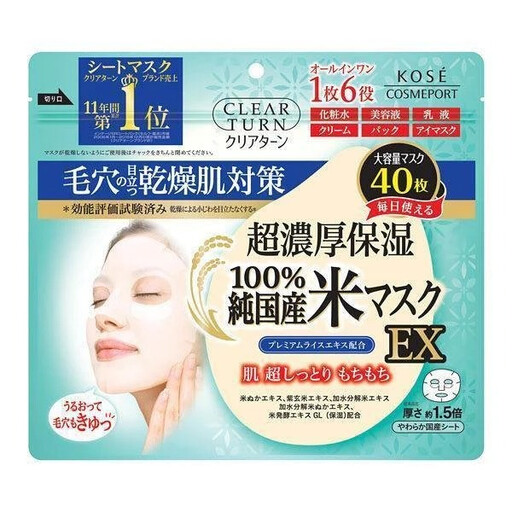
Why this product suits this profile: The pack of 40 is suitable for people who want to incorporate Japanese skincare into their routine regularly and prefer a larger pack.
The pack size reduces the need for frequent single purchases. However, you should still check the ingredients list on the pack supplied before buying.
40 sheet masks with a rice-focused formula for moisture-oriented skincare routines.
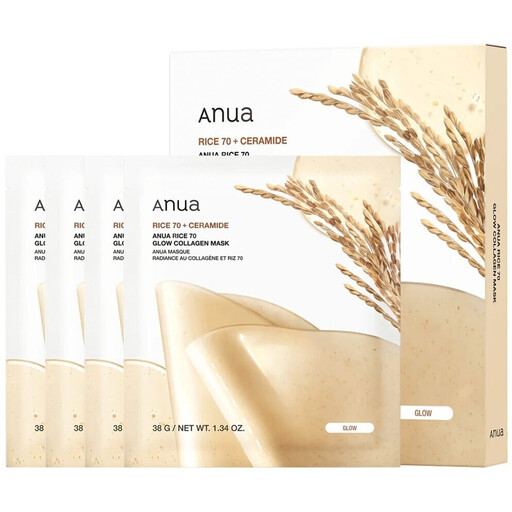
Why this product suits this profile: This two-piece hydrogel mask is aimed at users who value a contoured fit and a combination of rice extract, niacinamide, collagen and different forms of hyaluronic acid.
The two-piece design can make it easier to fit the forehead, cheeks and chin. The recommended application time is 15 to 20 minutes.
Hydrogel material, a two-piece fit and a moisture-focused blend of ingredients.
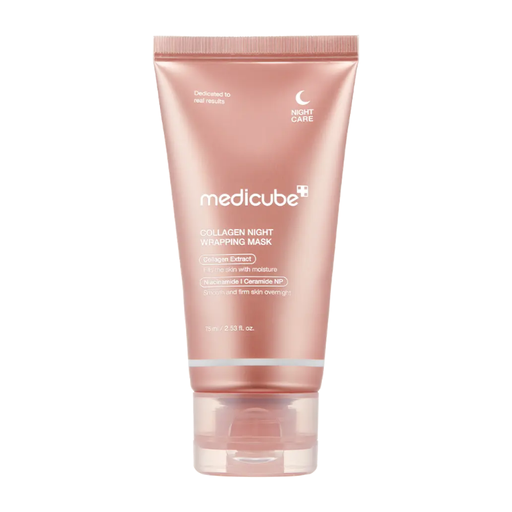
Why this product suits this profile: As an overnight face mask, it is designed for users who prefer to apply a gel or cream product in the evening rather than use a sheet mask.
The product is specifically intended for use as the final step in your evening routine. The area around the eyes and lips should be avoided.
75 ml jar, use two to three times a week and ingredients such as collagen, glycerin and panthenol according to the product details.
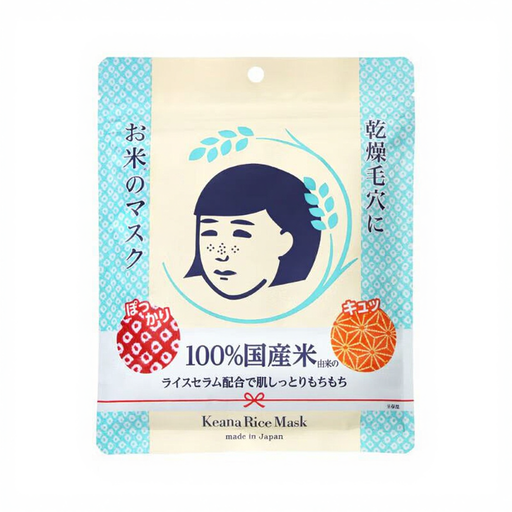
Why this product suits this profile: The mask combines a thicker sheet with rice ferment, rice bran oil and ceramide ingredients, making it suitable for a moisture-focused routine when skin feels rough.
The stated application time of 5 to 10 minutes helps prevent unnecessarily long wear. Alcohol is listed in the INCI list and should be taken into account if you have sensitive skin.
10 sheets, thick material and several rice-based ingredients according to the product description.
We have put together a complete, regularly updated list of products that fully meet these strict selection criteria and the safety regulations applicable in the EU.
This depends on the product, formula and condition of your skin. Some multipacks are intended for regular use, while other masks are recommended once or twice a week. The instructions on the packaging and your individual tolerance are the key factors.
For dry skin, moisture-focused formulas containing glycerin, hyaluronic acid, panthenol or ceramides may be suitable. However, a face mask for dry skin is not a substitute for daily skincare. Applying a cream after use can help your skin continue to feel cared for.
A face sheet mask is usually applied for a few minutes and then removed. An overnight face mask is applied thinly as the final step in your skincare routine and used overnight according to the product instructions. The two options differ in texture, application and the amount of cleansing required.