
Lieferung heute & morgen

Qualitätsgarantie

Willkommens-Angebote freischalten: KOSTENLOSE Lieferung | Bis zu 80 % RABATT | Kostenlose 30-Tage-JoyPlus-Testphase
App herunterladen
Anyone passionate about Japanese cuisine will eventually encounter an ingredient that provides unmistakable creaminess and depth of flavor to many dishes: Kewpie mayonnaise. However, when trying to buy authentic Japanese mayonnaise, many home cooks face a challenge. The market is filled with products marketed as "Japanese-style" that differ from the original in crucial ways.
This guide will help you avoid the common pitfalls and make an informed decision. We focus on the objective characteristics that define a high-quality umami mayonnaise, ensuring you find the exact product that will give your dishes that authentic flavor.
Before making a decision, it's important to know the most common misleading characteristics. Many products fail on three key points that mark the difference between a true enhancement and a disappointment.
To ensure you make the right choice, you should pay attention to two essential parameters. These define the quality and taste of an authentic Japanese mayonnaise.
Arguably the most important distinguishing feature is the use of exclusively egg yolks. Egg yolks contain natural emulsifiers and a higher fat content than egg whites. This is the reason for the exceptionally creamy mayonnaise texture and its full-bodied, rich flavor. A recipe based only on egg yolks creates a velvety mouthfeel that pairs perfectly with rice, fish, and vegetables. Therefore, check the Kewpie ingredients or the ingredient list of comparable products carefully for this detail.
The second pillar of its authentic taste is the vinegar blend used. While many standard mayonnaises rely on simple distilled vinegar, a high-quality Japanese version uses a thoughtful combination.
Here are some recommendations tailored to the different needs and preferences of Asian cuisine lovers.
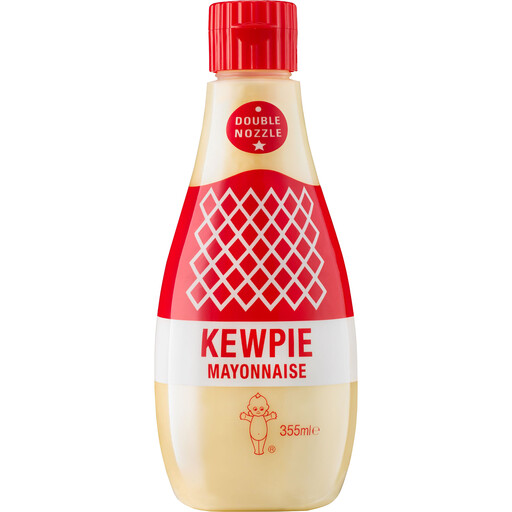
Why This Fits Their Persona: Ideal for those seeking the unadulterated flavor essential for dishes like okonomiyaki, takoyaki, and as a dip for karaage. It is the benchmark for authentic Japanese recipes.
The recipe is consistently based on egg yolk (15%) and a specific blend of distilled, apple, and red wine vinegar. This allows it to bypass the "whole egg" trap and deliver genuine flavor.
Uniquely rich umami flavor and an exceptionally creamy texture that spreads perfectly. The soft bottle allows for precise dispensing.
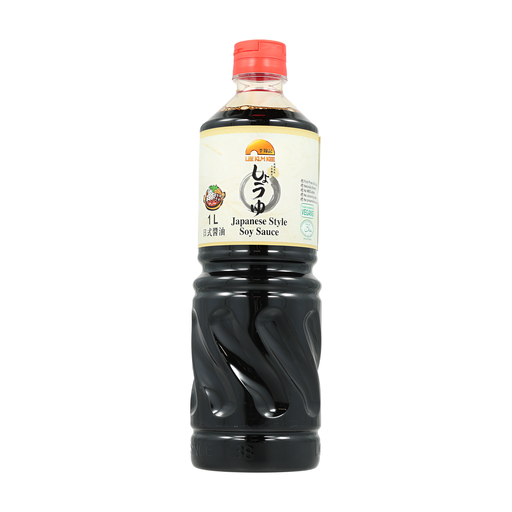
Why This Fits Their Persona: Anyone building their Japanese pantry needs the right soy sauce in addition to mayo. This version is specifically tailored to the Japanese palate (shoyu)—milder and less salty than Chinese varieties.
It offers an authentic, mildly sweet shoyu aroma, avoiding the problem of an overly strong or salty soy sauce overpowering the delicate notes of dishes like sushi or sashimi.
Highly versatile for dips, marinades, and dressings. The 1-liter bottle offers great value for regular use.
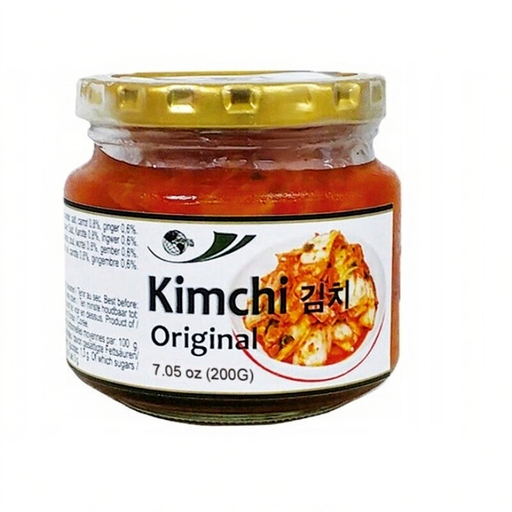
Why This Fits Their Persona: For food enthusiasts who appreciate complex flavors. Kimchi provides a spicy-sour counterpoint to the creamy richness of Kewpie mayo, rounding out many Asian dishes.
This kimchi offers an authentic, naturally fermented flavor that is not just hot, but also complex and sour—unlike simple chili pastes.
A ready-to-use, classic side dish that adds exciting texture and depth of flavor to dishes like fried rice, noodle soups, or as a topping for sandwiches.
We have compiled a complete, up-to-date list of products that fully meet these strict selection criteria.
1. What can I use Kewpie mayonnaise for? Its versatility is one of its greatest strengths. It's an excellent mayo for sushi (especially for California rolls or as a topping), poke bowls, salads, and dips. It also pairs wonderfully with savory pancakes like okonomiyaki, takoyaki batter balls, or simply as a rich spread for sandwiches.
2. What is the main difference between Kewpie mayo and European mayonnaise? The three main differences are:
3. How should I store opened Kewpie mayonnaise? After opening, the bottle should be kept tightly sealed in the refrigerator. For optimal quality, it is recommended to consume it within one month. Always follow the specific instructions on the product label.