
Lieferung heute & morgen

Qualitätsgarantie

Willkommens-Angebote freischalten: KOSTENLOSE Lieferung | Bis zu 80 % RABATT | Kostenlose 30-Tage-JoyPlus-Testphase
App herunterladen
The search for authentic Japanese pastries leads many fans of Asian cuisine to a particular speciality: the Japanese milk cake. This cake is characterised by its exceptionally soft texture and a subtle yet distinct milk flavour. However, the selection can be overwhelming, and the differences between varieties are not always immediately apparent to newcomers.
This article serves as a guide. It presents objective criteria to help you make an informed decision when you want to buy Japanese cake. We will look at different types of cakes, packaging formats, and flavour profiles to make your choice easier.
To find the right cake for your needs, it helps to pay attention to a few specific features. The following points provide a basis for your purchasing decision.
Japanese pastries are diverse. When it comes to milk cakes, three main varieties are common, differing in their texture and preparation:
The type of packaging is a practical criterion that indicates its intended use:
The ingredients list provides clues about the expected taste experience. Pay attention to the following points:
Based on the criteria mentioned above, we have compiled a selection of products that cater to different preferences and uses.
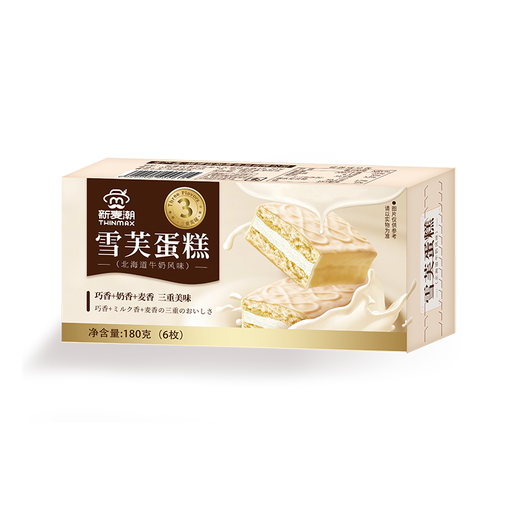
Why It Stands Out This pastry is distinguished by its particularly soft and moist texture. The intense milk flavour is achieved through the use of real milk and whey powder. The recipe is lightly sweetened, making it suitable for a wide range of palates.
Advantages
Who Is It For? Ideal for those looking for a convenient on-the-go snack or a lunchbox treat, who appreciate a distinct but not overly sweet milk flavour.
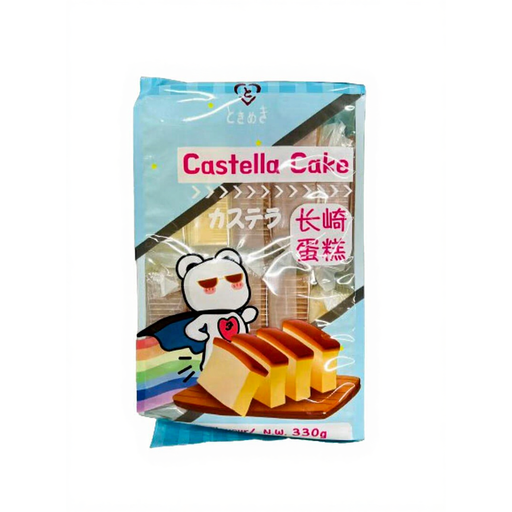
Why It Stands Out This Castella cake represents traditional Japanese baking artistry. It offers a classic, incredibly soft and fluffy texture. The milk flavour is subtle and harmonises well with the light sweetness of the sponge.
Advantages
Who Is It For? For lovers of traditional Asian sweets who want to experience the authentic texture of a Castella cake and are looking for a pastry to share.
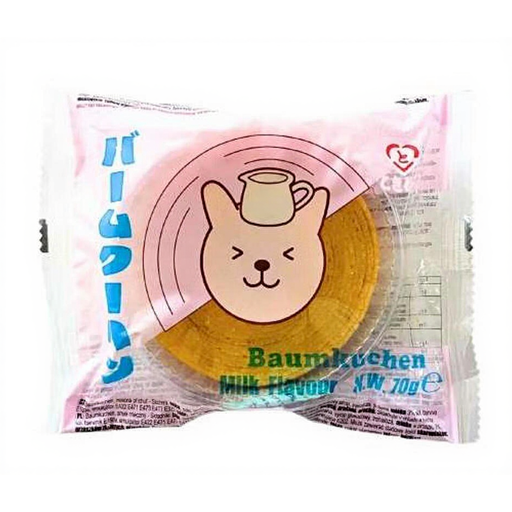
Why It Stands Out This Baumkuchen combines the familiar layered structure with the soft and moist consistency prized in Japan. The milk flavour is clearly perceptible and gives the cake a creamy note.
Advantages
Who Is It For? For anyone who enjoys the texture of Baumkuchen but wants to try a softer, Japanese version. Perfect as a little indulgence or as an accompaniment to afternoon coffee.
If our recommendations don't include the right product for you, you can find a wider selection of Asian sweets in our category. There you can discover more varieties and find the cake that perfectly matches your preferences.
Discover more milk cake treats here
The main difference often lies in the ingredients and baking method. Japanese Castella is frequently made with bread flour (higher in protein) and a starch syrup (mizuame). This results in a moister, denser, and more elastic texture compared to the often drier and more crumbly European sponge.
To preserve its characteristic softness, the cake should be stored in a cool, dry place. Direct sunlight and moisture should be avoided. After opening a larger package, it is advisable to store the cake in an airtight container to prevent it from drying out.
Sweetness is subjective, but many Japanese pastries are known for their mild and balanced sweetness. The focus is often more on the texture and the natural flavour of the ingredients, such as milk or egg. It is advisable to check the product description and ingredients list, as some products may also contain sweeteners for flavour adjustment.