
Same-day & Next-day Delivery

Quality Guaranteed

Unlock Your Welcome Offers: FREE Delivery | Up to 80% OFF | Free 30-day JoyPlus trial
Download the APP
Anyone looking to buy Japanese products online will find a wide selection in Germany, including Japanese food, snacks, Japanese sweets, cosmetics, hair care products, seasonings and tableware. However, product pages can vary considerably in their information on origin, ingredients and usage instructions. Eye-catching packaging or a Japanese brand name alone is therefore not enough to make the right choice.
“Japanese style” may refer to a product’s appearance, even when it was actually made in another country. If you are looking for authentic products from Japan, you should therefore distinguish between the brand’s registered office, place of manufacture and responsible importer.
For food and cosmetics, details such as “Made in Japan”, “Country of Origin” or the manufacturer shown on the packaging are relevant. For example, the YumiPLUS ceramic set is described as having a Japanese style, while the manufacturer information points to a producer in China. This is not necessarily a disadvantage, but it is important when making your purchasing decision.
Japanese food often contains ingredients that are particularly relevant to German shoppers, including soya, wheat, fish, seafood, sesame, egg and milk. Product descriptions should therefore list not only flavours, but also allergens and ingredients.
For imported snacks, the recipe, packaging or labelling may change between batches. The physical packaging should be checked before eating the product, especially if you have any intolerances.
Terms such as “Repair”, “Whitening”, “Pore Care” or “Deep Nourishment” often come from the product description or marketing materials. They should not be understood as indicating a medical or therapeutic effect. What matters is the INCI list, how the product is used and the warnings provided.
When choosing Japanese skin care and Japanese hair care products, it is also advisable to check for fragrances, alcohol, preservatives and any potential individual intolerances. If irritation occurs, stop using the product.
Check the following before buying:
For Japanese seasonings such as SHIMAYA Dashi No Moto, it is also important to check whether they contain fish or other ingredients that must be declared. The product is supplied in individual 5 g sachets and, according to the product information, contains fish as well as a high salt content of 60.8 g per 100 g.
For Japanese food, you should not rely on product images instead of checking the ingredients list. One example is S&B Golden Curry Sauce Mix, which contains wheat, celery and mustard, among other ingredients. The term “Medium Hot” describes the level of spiciness, but says nothing about whether the product is suitable for particular diets or allergies.
It is also worth comparing Japanese snacks:
Frozen products require particular attention. BML Shrimp Gyoza are prepared from frozen and should be stored at a minimum of −18 °C. According to the product information, they should not be refrozen after thawing.
For Japanese tableware, material, capacity, dimensions and temperature resistance are key considerations. According to the description, the KOM Edo bowl is made of porcelain, measures 13 cm in diameter and 7 cm in height, and is suitable for use in a microwave and dishwasher. Even so, sudden changes in temperature should be avoided.
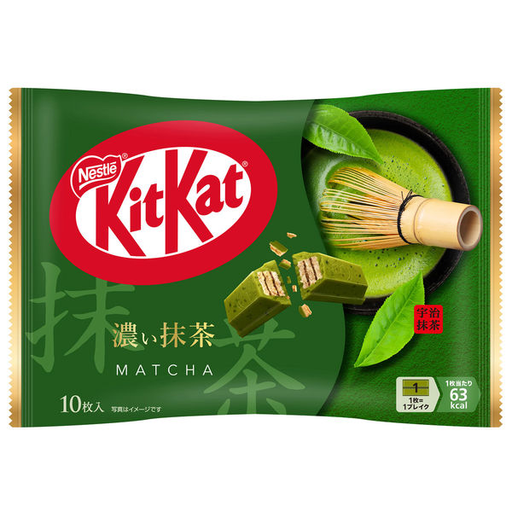
Why this product suits this profile: A portionable snack with matcha flavour that can be eaten without preparation, making it a suitable introduction to Japanese sweets.
The product information provides the serving size, nutritional values and allergens. This makes it easier to assess the purchase than relying on the packaging alone.
113 g pack, matcha powder listed among the ingredients, plus clear information on wheat, soya and milk.
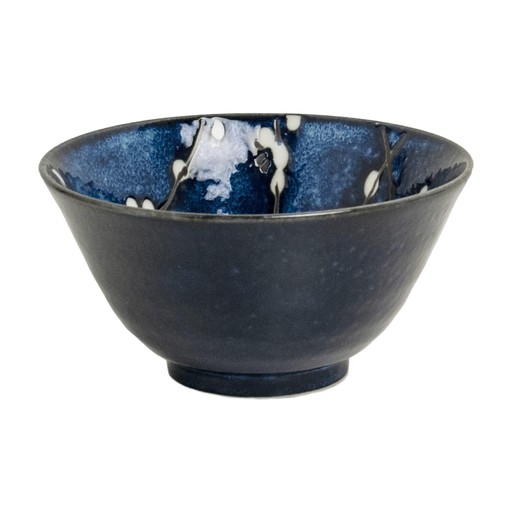
Why this product suits this profile: The bowl is suitable for rice, noodles, soups and desserts, combining clearly defined dimensions with Japanese-inspired decoration.
The material, dimensions, capacity and information on microwave and dishwasher use are all clearly stated.
Porcelain, 400 ml capacity, 13 cm diameter, and dishwasher and microwave suitability according to the product description.
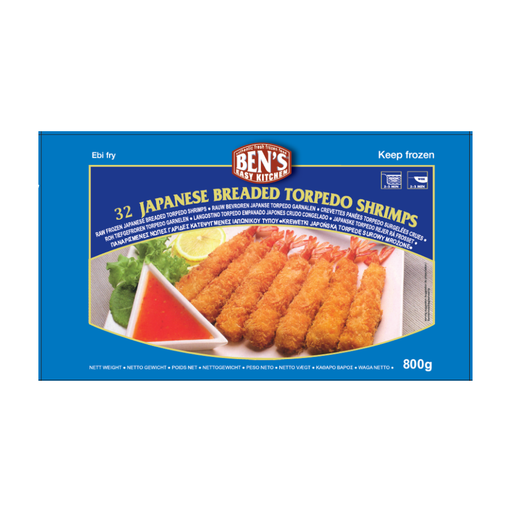
Why this product suits this profile: The frozen, breaded prawns are suitable for larger households, preparing Japanese food at home or catering for several people.
The instructions specify preparation from frozen, a temperature of 170–180 °C and a cooking time of 3–4 minutes.
800 g pack, 50% prawns according to the ingredients information, and suitable for use in the oven or deep fryer as described.
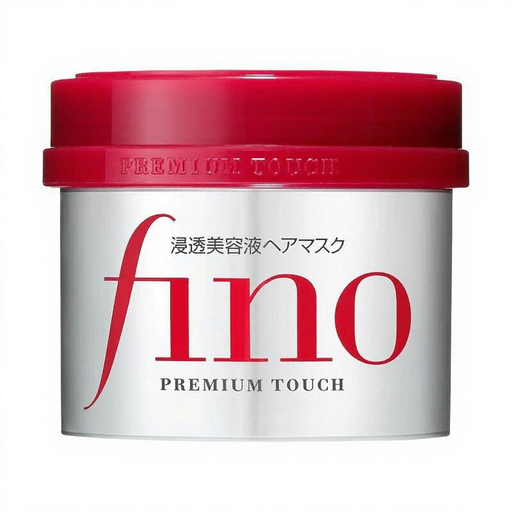
Why this product suits this profile: A hair mask for people who want to use Japanese hair care as a targeted additional step after washing.
The INCI list and usage instructions are provided. Apply to damp hair, particularly through the lengths and ends, and leave for around five minutes.
230 g pack containing, among other ingredients, squalane, trehalose, glutamic acid and hydrolysed wheat protein, according to the INCI information.
Look for retailers that provide verifiable product information, German or EU contacts, and clear details on delivery, storage and returns. The range includes Japanese food, Japanese seasonings, sweets, cosmetics and tableware, among other products.
Check the ingredients, allergens, nutritional values, origin, best-before date and storage conditions. The cold chain must be maintained for frozen products. Once opened, additional instructions often apply, such as refrigeration or consuming the product promptly.
No. Suitability depends on your skin and hair type, as well as your individual reaction to the ingredients. Read the INCI list, follow the warnings and test new products carefully at first. Stop using the product if you experience eye or skin irritation.