
Lieferung heute & morgen

Qualitätsgarantie

Willkommens-Angebote freischalten: KOSTENLOSE Lieferung | Bis zu 80 % RABATT | Kostenlose 30-Tage-JoyPlus-Testphase
App herunterladen
The soft, filled sticky rice cakes known as mochi have evolved from a traditional Asian sweet into a global phenomenon. Their growing popularity has led to an ever-expanding selection, especially online. However, not every product lives up to its promise. Before you order mochi online, it's helpful to understand the common quality differences to avoid disappointment. This guide will show you what to look for.
Many consumers report similar issues when buying mochi for the first time. These three points are especially common:
To avoid these pitfalls, you can check a few objective criteria before purchasing. These will help you better assess a product's quality.
The composition reveals a lot about the quality. Pay attention to the following points:
While the country of origin isn't a guarantee on its own, many renowned mochi producers are based in Taiwan and Japan. Brands like Royal Family, Q-Brand, or Bamboo House specialise in making these confections.
Another practical feature is the packaging. Individually wrapped mochi stay fresh and soft longer because they are protected from drying out. They are also convenient for on-the-go snacking.
Based on these criteria, we have curated a few products for different preferences.
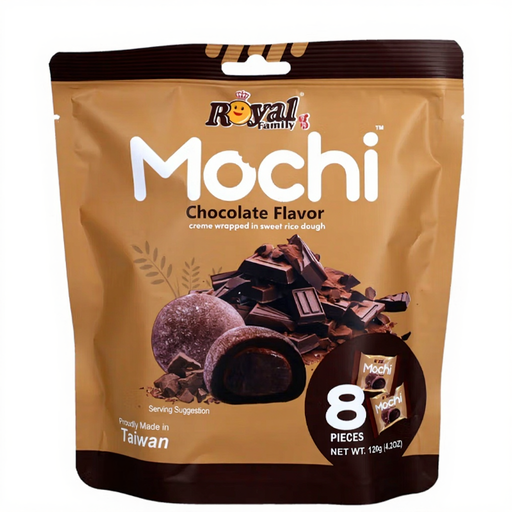
Why This Fits Their Persona: Ideal for anyone trying mochi for the first time. The familiar taste of chocolate provides an easy entry point into the world of Japanese sweets without being sensorially overwhelming.
The filling is described as "dark chocolate" and is made with cocoa powder, suggesting a richer flavour than simple sugar pastes.
Combination of a soft glutinous rice shell and a creamy chocolate filling; individually wrapped for lasting freshness.
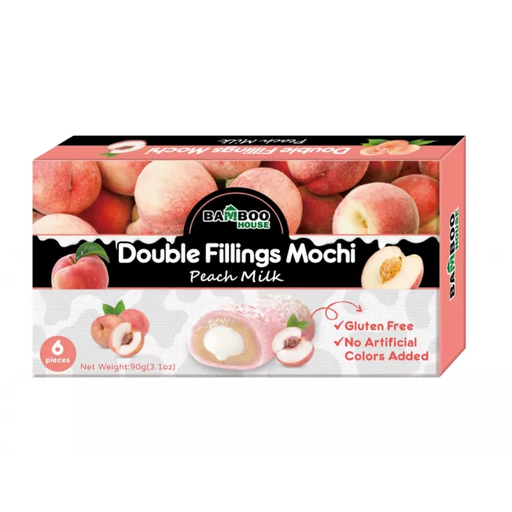
Why This Fits Their Persona: Perfect for those seeking a multi-layered flavour experience. The combination of fruit and cream offers more than just a simple sweet note.
The "double filling" of peach paste and milk paste is clearly declared, promising a more complex texture and a more balanced flavour than a single, artificial filling.
Unique double-filling structure; the ingredient list explicitly names peach as a component of the paste.
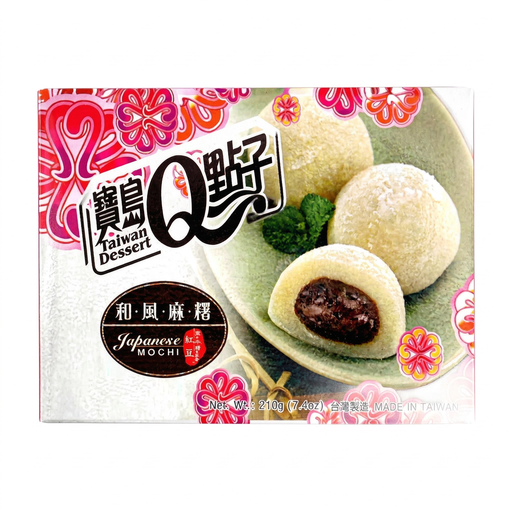
Why This Fits Their Persona: For lovers of authentic Asian sweets. The red bean paste (anko) filling is one of the most classic mochi varieties in Japan and East Asia.
This product relies on a traditional, time-tested filling instead of trendy but potentially artificial flavours. The ingredient list explicitly states "Red Bean Paste".
Authentic, mildly sweet, and nutty flavour of the red bean; soft, chewy texture typical of traditional mochi.
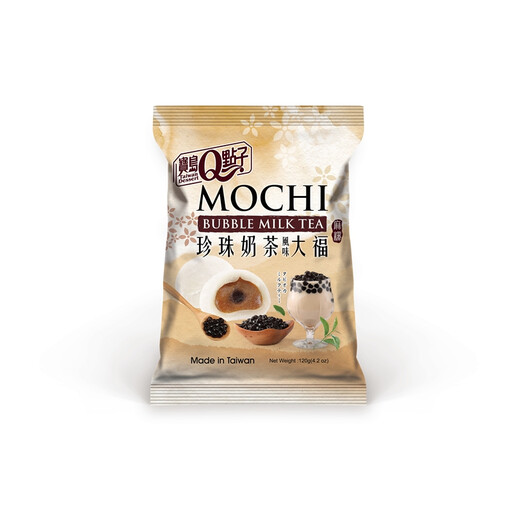
Why This Fits Their Persona: For those curious about innovative flavour combinations. This mochi unites two of the most popular Asian treats: mochi and bubble tea.
The description highlights that the filling is made with real black tea powder, which promises a more authentic milk tea flavour compared to purely artificial aromas.
Creative flavour combination; captures the creamy, aromatic character of milk tea in a new texture.
We have compiled a complete, up-to-date list of products that fully meet these strict selection criteria and all relevant food safety regulations.
Most commercially produced mochi should be stored in a cool, dry place, protected from direct sunlight. After opening the package, it is best to keep the remaining pieces in an airtight container and consume them quickly so they don't lose their soft texture. Some varieties, especially those with creamy fillings, can be enjoyed chilled, as noted on the packaging.
Mochi is traditionally made from glutinous rice, which is naturally gluten-free. However, cross-contamination can occur during industrial production. Additionally, fillings or other additives may contain gluten. Individuals with celiac disease or gluten sensitivity should therefore always check the allergen information on the product packaging carefully.
No, the filled mochi featured here and most others available commercially are ready-to-eat sweets. They require no further preparation like cooking or baking and can be enjoyed straight from the package. They are perfect as a snack, a dessert, or an accompaniment to tea or coffee.