
Lieferung heute & morgen

Qualitätsgarantie

Willkommens-Angebote freischalten: KOSTENLOSE Lieferung | Bis zu 80 % RABATT | Kostenlose 30-Tage-JoyPlus-Testphase
App herunterladen
Choosing to buy authentic Japanese sake can be a challenge, given the vast array of types, classifications, and flavour profiles. Many of the terms on the labels are difficult for the uninitiated to decipher, which complicates the selection process. This guide is designed to bring clarity. As your Joybuy Product Recommendation Officer, I've compiled objective information and criteria to help you make an informed decision—whether it's for your own enjoyment, a pairing for a special meal, or a sophisticated gift.
To find the right sake from Japan, a basic understanding of its production and classification is helpful. The following points provide a solid orientation.
One of the most important quality indicators for premium sake online is determined by the rice polishing ratio (Seimaibuai). This value indicates what percentage of the rice grain remains after polishing. The lower the percentage, the more refined and often more complex the sake's aroma.
The flavour profile is a crucial criterion. Many bottles include notes that hint at the taste. An important term is Karakuchi (辛口), which means dry sake. In contrast, Amakuchi (甘口) stands for a sweeter style. A dry sake often pairs excellently with a variety of foods, from sushi to grilled fish, while sweeter varieties are also an excellent choice as an aperitif or with desserts.
As with wine, a sake's origin plays a significant role. Regions like Niigata, known for their pure mountain snowmelt, often produce exceptionally crisp and clean sakes. Renowned breweries like Hakkaisan Sake represent consistent, high quality and artisanal tradition. Choosing a well-known brewery can be a safe bet when you're just starting to explore Japanese specialities.
Based on objective criteria such as classification, flavour profile, and origin, we have curated a selection of sake that caters to different preferences.
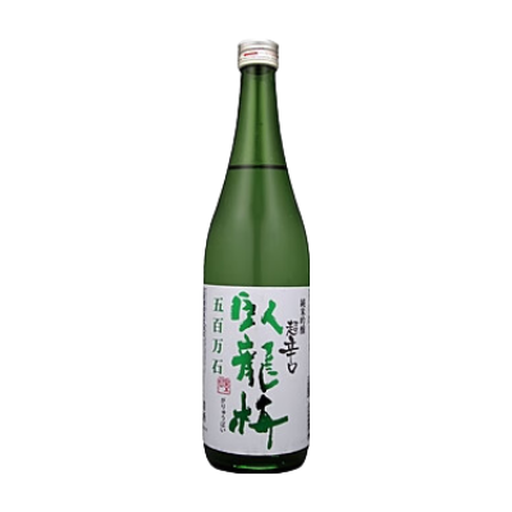
What Makes It Special: This Junmai Ginjo is classified as "Chokarakuchi," indicating an exceptionally dry and crisp flavour profile. It is artisanally brewed to achieve a clean, smooth taste with a refreshing dryness.
Advantages:
Who It's For: Ideal for lovers of distinctly dry sake and for anyone seeking an elegant food companion that complements rather than overpowers.
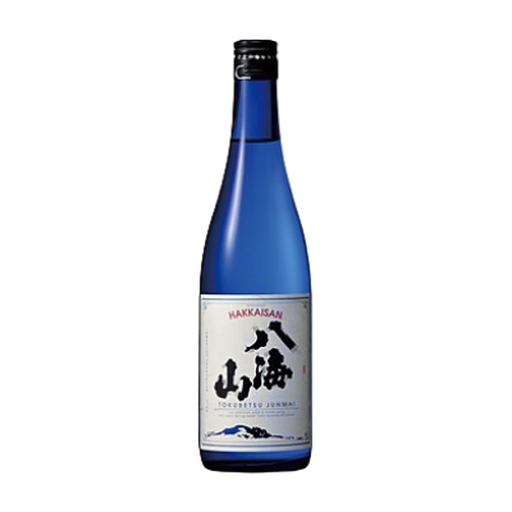
What Makes It Special: This "Tokubetsu Junmai" (special junmai) comes from the renowned Hakkaisan brewery in the Niigata prefecture. For this special designation, the rice is polished to a specific ratio, resulting in a pure, robust flavour with a smooth, well-rounded profile and a crisp finish.
Advantages:
Who It's For: An excellent choice for both newcomers and connoisseurs. It represents the clean style of Niigata sake and offers an approachable yet sophisticated tasting experience.
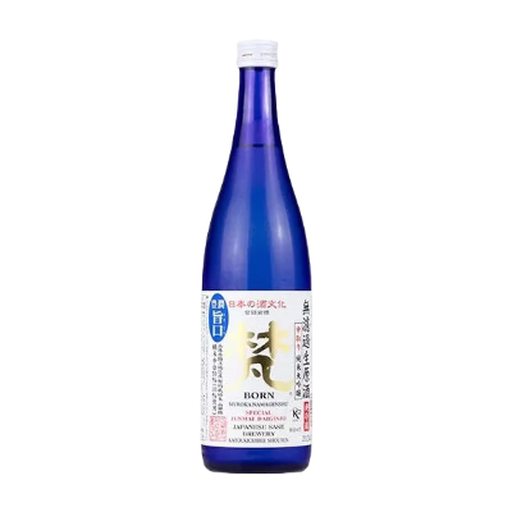
What Makes It Special: This Junmai Daiginjo is a "Nama Genshu" (unpasteurised, undiluted) and "Nakadori," meaning only the finest part of the sake from the middle of the pressing process is used. After ageing for about a year at extremely low temperatures, it develops an exceptionally smooth and mature flavour profile.
Advantages:
Who It's For: For experienced sake drinkers and for special occasions. Its luxurious and profound character also makes it an exquisite gift for connoisseurs of Japanese specialities.
The world of Japanese beverages is diverse and offers something for every occasion. If you'd like to expand your repertoire or are looking for alternatives for times when alcohol is not desired, you can find other interesting options in our selection of non-alcoholic spirits.
The main difference lies in the rice polishing ratio. For a Junmai Ginjo, the rice must be polished to at least 60% of its original weight. For a Junmai Daiginjo, an even higher polishing ratio of at least 50% is required. This generally results in Daiginjo sake being more refined, aromatic, and complex in flavour than Ginjo sake.
Most sakes, especially high-quality ones like Ginjo and Daiginjo, should be stored in a cool, dark place, standing upright, to maintain their quality. Unpasteurised sake ("Nama") must be kept in the refrigerator. Once opened, the bottle should also be refrigerated and consumed promptly, as contact with oxygen will alter the aroma. The standard 720ml sake bottle size is ideal for enjoying within a few days.
For an introduction, a well-balanced sake that doesn't lean too heavily into one flavour profile is recommended. A Tokubetsu Junmai like the one from Hakkaisan is a great choice, as it offers a clean, pure, and rounded profile. It is neither overly dry nor too sweet and provides a good impression of the craftsmanship that goes into premium sake.