
Same-day & Next-day Delivery

Quality Guaranteed

Unlock Your Welcome Offers: FREE Delivery | Up to 80% OFF | Free 30-day JoyPlus trial
Download the APP
Japanese skincare is known for lightweight textures, multi-step routines and ingredients such as rice extracts, ferments and hyaluronic acid. However, a high price, a well-known brand or a claim such as “refined-looking pores” alone says little about whether a product suits your skin. What matters is the actual formulation, how it is used and how well it fits into everyday life.
Terms such as “Deep Cleansing”, “Brightening” and “Anti-Aging” often describe how a product is positioned, rather than guaranteeing a particular result. When choosing cosmetics, check what the product is specifically intended to do: does it remove make-up, provide hydration or complement an existing routine?
For example, a hydrating facial essence may spread easily and feel watery, but it does not automatically replace a cream. Similarly, a Japanese facial cleanser is not necessarily suitable for every skin barrier.
Highly foaming products or clay-based formulations can feel particularly thorough. However, frequent washing may feel uncomfortable on dry or sensitive skin. Japanese cleansing oils are not automatically suitable for everyone either: fragrances, essential oils and certain emulsifiers should be assessed by checking the INCI list.
A 500-ml product or a mask set may initially seem economical. If the texture does not suit your daily routine, or the product should only be used for a limited period after opening, unnecessary waste can result. Pay attention to fill quantity, shelf life, the period-after-opening indication and the recommended frequency of use.
Cleansing products containing glycerin, amino acid-based surfactants or nourishing oils are often suitable for dry skin. If you want to remove waterproof make-up or sunscreen, you can use a cleansing oil as the first step, followed by a mild facial cleanser.
With blemish-prone or textured skin, it can be tempting to cleanse intensively every day. A routine that removes dirt and excess sebum without causing a lasting tight feeling is more sensible. Products containing salicylic acid should be used according to the product instructions and not applied to irritated or damaged skin.
Before buying, check the complete ingredients list on the packaging. When choosing skincare for sensitive skin, fragrance-free formulations or a manageable number of ingredients can make the selection easier. Alcohol, fragrances, essential oils, preservatives and vitamin A derivatives are not inherently unsuitable, but they may be relevant if you have an individual sensitivity.
A patch test on a small area of skin is particularly advisable if you are prone to reactions or want to try several new products at once. Stop using the product if redness, itching or stinging occurs.
Foam, gel, oil, lotion and sheet masks differ not only in how they feel on the skin, but also in how they are used. A pump dispenser may be more practical in the bathroom than a jar. With a sheet mask, it is important to wear it only for as long as stated in the product instructions. It should not be used on damaged, severely irritated or sunburnt skin.
Everyday life in the UK also plays a role: a richer emulsion may feel more comfortable in winter, while lightweight essences or a cleanser that rinses off quickly may be preferable in summer.
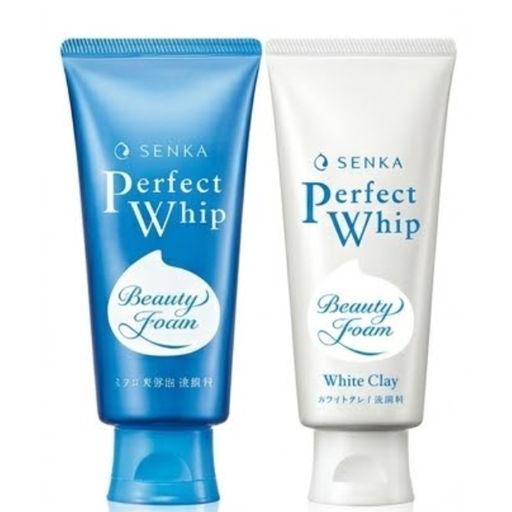
Why this product suits this profile: The set contains two cleansing products, each weighing 120 g. This allows beginners to compare different cleansing textures in everyday use without placing two separate orders.
The clear total quantity of 240 g makes it easier to calculate the price. The two variants can be used according to your preferred skin feel and cleansing needs.
Two 120-g products in one bundle; Perfect Whip and White Clay cleansing offer different formulation approaches.
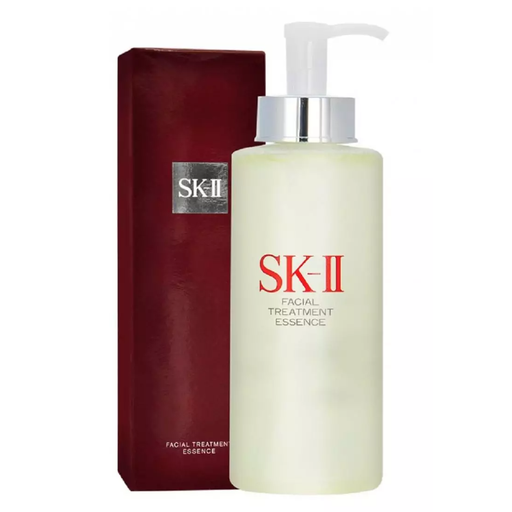
Why this product suits this profile: This liquid essence is intended for people who want to add an extra skincare step containing a fermented ingredient to their routine after cleansing.
The product description states 330 ml, use after cleansing and the key INCI name Galactomyces Ferment Filtrate. Check the current packaging before buying.
330 ml contents; lightweight liquid texture; designed for use between facial cleansing and moisturising.
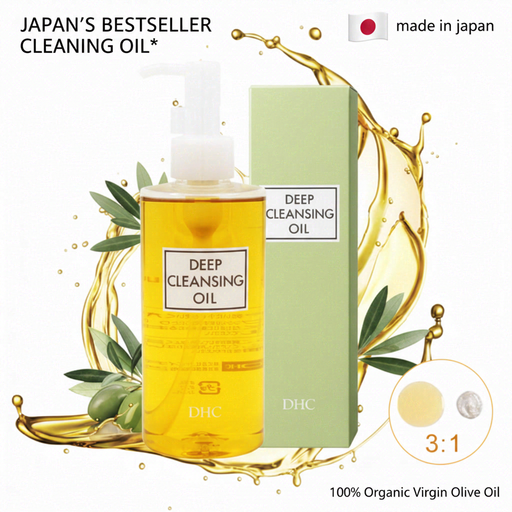
Why this product suits this profile: This cleansing oil is aimed at users who want to dissolve make-up and sunscreen before using a water-based cleanser.
The instructions specify starting with dry hands and a dry face, followed by emulsifying with water. This helps avoid a common misuse.
200 ml contents; olive oil and tocopherol listed in the stated INCI list; designed to remove make-up and everyday impurities.
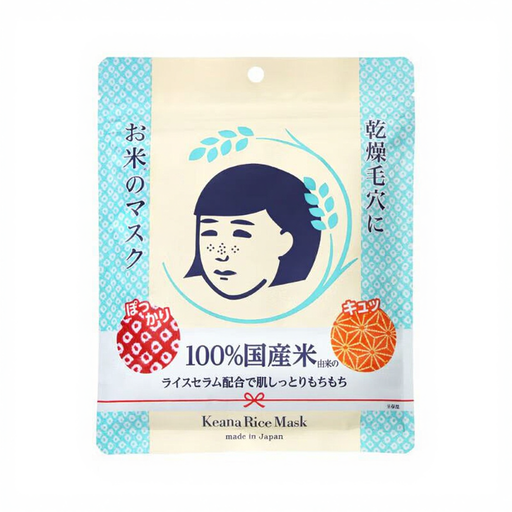
Why this product suits this profile: The sheet masks are intended to provide additional hydration after cleansing and, according to the product information, should be worn for 5 to 10 minutes.
The pack contains 10 individual sheets with a clearly stated wear time. The instructions exclude use on damaged or irritated skin.
10 sheet masks per pack; rice derivatives such as Rice Ferment Filtrate and rice oil are listed in the stated ingredients list.
For more Japanese skincare, you can find a wider selection of cleansing oils, essences, face masks and moisturisers in the Japanese skincare products category.
We have put together a complete, regularly updated list of products that fully meet these strict selection criteria and the safety regulations applicable in the EU.
A simple routine can consist of cleansing, moisturising and UV protection during the day. Essence, serum and sheet masks are optional additions. More products do not automatically mean a routine is better suited to your skin.
That depends on your individual tolerance and the ingredients list. Check for fragrances, essential oils and preservatives. Test a new product on a small area of skin first and avoid using it on irritated skin.
The best-before date, the information on the packaging and, where applicable, the symbol indicating the period of use after opening are the key points to follow. Close sheet masks and liquid products carefully and store them in a dry, cool place away from direct sunlight.