
Lieferung heute & morgen

Qualitätsgarantie

Willkommens-Angebote freischalten: KOSTENLOSE Lieferung | Bis zu 80 % RABATT | Kostenlose 30-Tage-JoyPlus-Testphase
App herunterladen
As a Joybuy Product Recommendation Officer, I see a huge selection of international foods every day. The world of Japanese sweets is particularly fascinating, but it can also be overwhelming. Many enthusiasts of Japanese culture in the UK and beyond wonder: which products are authentic, and where can I find a good selection without being swayed by marketing hype?
This article serves as your guide. I will introduce you to a selection of products and provide you with objective criteria to help you make an informed decision on your next online purchase.
The range of sweets from Japan is diverse and extends far beyond what is available in local supermarkets. The following points can help you find products that suit your taste.
Japanese snacks are known for their balanced and often surprising flavour profiles. In addition to pure sweetness, salty (shiokarai) and savoury (umami) notes also play a significant role.
A key feature of Japanese confectionery is the special attention paid to texture. Whether it's light and soft like a Castella cake, crispy and crunchy like cookies, or chewy and elastic like mochi—the texture is often as important as the taste. Product descriptions containing terms like "fluffy," "crispy," or "soft" provide valuable clues.
For an authentic taste experience, it is advisable to look at the ingredients list and the country of origin. Typical Japanese ingredients include matcha (green tea powder), adzuki bean paste (anko), yuzu (a citrus fruit), or kinako (roasted soybean flour). Products made directly in Japan often adhere to local recipes and quality standards.
Based on the criteria above, I have selected three products from our range that represent different facets of Japanese snack culture.
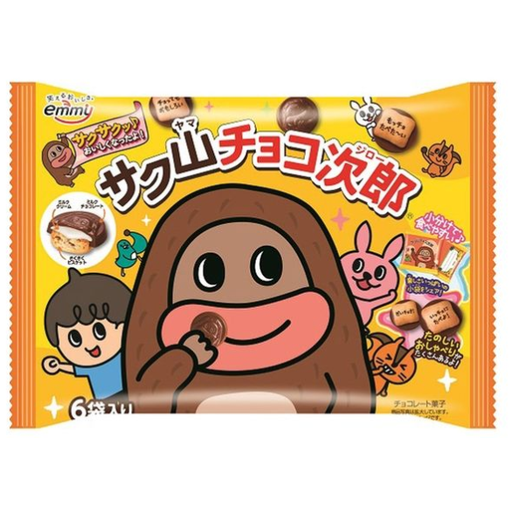
What Makes It Special This product combines a crispy butter cookie with a generous layer of chocolate. The SakuYama range from the manufacturer ShoEi is renowned in Japan for its high-quality chocolate cookies. The balance between the slightly salty cookie and the sweet chocolate is particularly well-executed here.
Benefits
Who Is It For? This product is an excellent choice for anyone looking for a straightforward yet high-quality chocolate cookie. It pairs wonderfully with coffee or tea and is popular with adults and children alike.
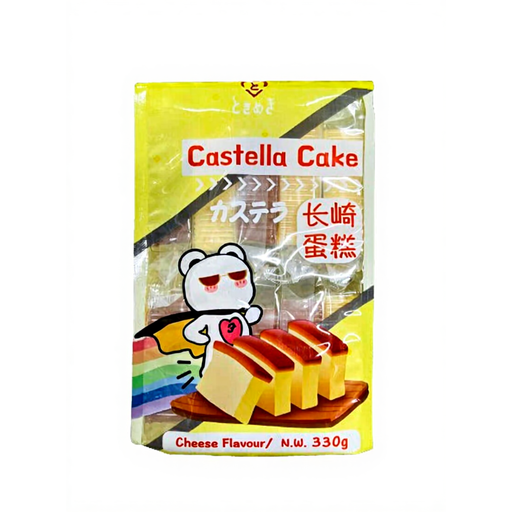
What Makes It Special This is a modern, savoury interpretation of the traditional Castella. Instead of a soft cake, you get a crispy baked snack with an intense cheese flavour. The use of real cheese powder ensures an authentic aroma.
Benefits
Who Is It For? Ideal for lovers of savoury snacks and cheese. Those who enjoy exploring new flavour worlds and are looking for a change from classic Japanese snacks will find this a perfect match.
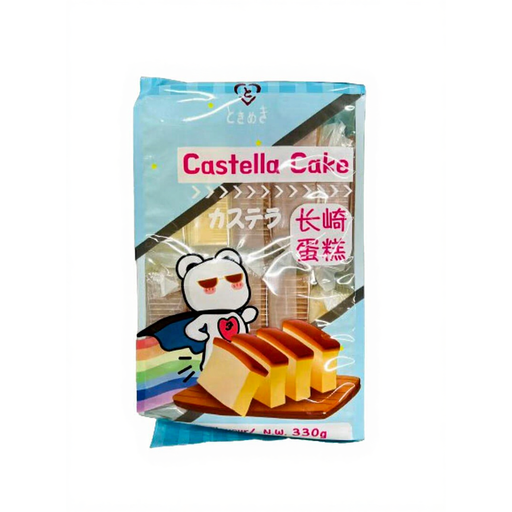
What Makes It Special This product represents the classic Castella cake as it is cherished in Japan. Its characteristic features are its extremely soft, airy, and moist texture, as well as its mild, sweet milk flavour. It is made from simple yet high-quality ingredients like eggs, wheat flour, and milk powder.
Benefits
Who Is It For? This product is aimed at anyone who wants to experience the authentic taste of a Japanese sponge cake. It is ideal for those who prefer less intense sweetness, as well as for families looking for a light cake for the afternoon.
Our featured selection covers only a small part of the world of Japanese cookies and snacks. If you are curious about other varieties or want to browse a larger selection of crispy treats, you can find more options in our family cookies category.
Discover our entire selection of family cookies
The uniqueness often lies in a combination of several factors: the balance of sweet, salty, and savoury (umami) flavours; the great importance placed on texture and mouthfeel; the use of specific regional ingredients; and the often very appealing and thoughtful presentation of the products.
Authentic sweets from Japan are available in specialised online shops that focus on importing Asian foods. Platforms like Joybuy offer a curated selection of products imported directly for the European market, ensuring availability and transparent ingredient declarations.
A Castella cake (Kasutera) is a very popular sponge cake in Japan. It was originally brought to Japan by Portuguese traders in the 16th century and has been refined there over the centuries. It is characterised by its very fine, soft, moist, and springy texture, achieved through the use of a lot of egg and a special baking process. It has a minimalist ingredient list, typically consisting only of eggs, flour, sugar, and starch syrup.