
Lieferung heute & morgen

Qualitätsgarantie

Willkommens-Angebote freischalten: KOSTENLOSE Lieferung | Bis zu 80 % RABATT | Kostenlose 30-Tage-JoyPlus-Testphase
App herunterladen
The world of Japanese sweets is diverse and fascinating, from crispy biscuits to soft cakes with unique flavours. However, when buying online in Europe, many encounter obstacles. Vague product descriptions, doubts about authenticity, and complex import regulations can spoil the enjoyment. This guide will help you avoid common pitfalls and find products that meet your expectations.
Before you buy Japanese snacks, you should be aware of two common problems that often lead to disappointment:
To ensure you receive high-quality and authentic sweets from Japan, you should check three core parameters. These will help you make informed decisions and separate marketing hype from fact.
A crucial indicator of authenticity is the manufacturer. Established Japanese brands like Glico, Meiji, Bourbon, or Morinaga are known for their consistent quality. Pay attention to the country of manufacture. While "Made in Japan" is a clear sign, some authentic brands like Meiji also produce for specific markets in other Asian countries under strict quality controls. A reputable retailer in Europe will provide this information transparently.
Japanese sweets can be broadly divided into different categories, each offering a unique experience:
The ingredients list reveals the flavours used. Authentic products often use specific ingredients like Uji matcha, adzuki bean paste, or fruit extracts.
A reliable indicator of a reputable supplier is adherence to local and European food standards. This means that all ingredients and allergens are clearly declared in the local language on the packaging or in the online product description. This not only ensures safety but also shows that the importer takes its responsibility seriously.
Here are some recommendations tailored to different preferences that meet the quality criteria mentioned above.
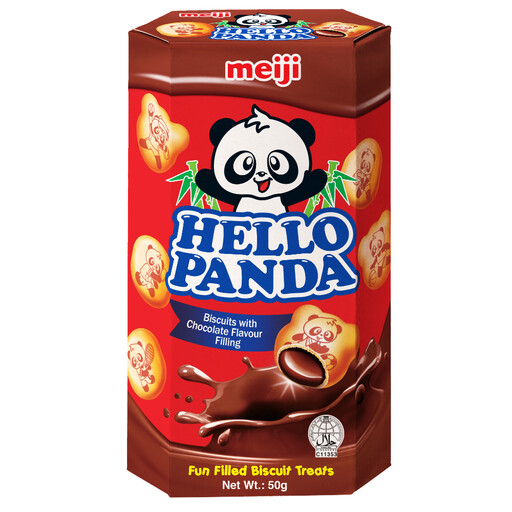
Why This Fits Their Persona: These biscuits are an internationally renowned classic and are especially popular with fans of Japanese pop culture due to their cute panda design, which is different on every biscuit. They offer an accessible entry point into the world of Asian sweets.
As a product from the well-known brand Meiji, consistent quality is guaranteed. The importer ensures EU-compliant labelling, avoiding the problem of unclear ingredients.
A crispy biscuit shell with a creamy chocolate filling. Each box is a small journey of discovery through the different panda motifs.
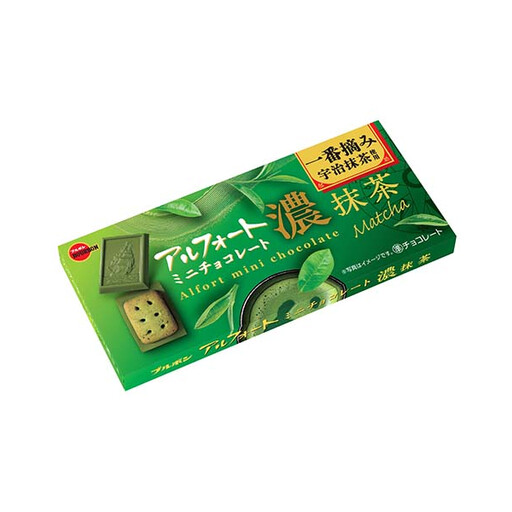
Why This Fits Their Persona: For anyone seeking the true taste of Japan. This product combines the intense, slightly bitter flavour of matcha with dark chocolate and a whole-grain biscuit—a sophisticated and typically Japanese combination.
Made by Bourbon, a renowned Japanese company, with a clearly declared origin. This is not a "Japan-style" product, but an authentic snack with real matcha.
A balanced flavour profile that is not overly sweet. The combination of biscuit and chocolate provides a pleasant texture.
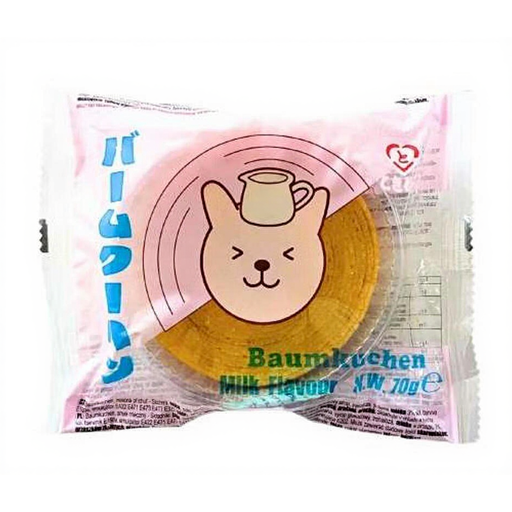
Why This Fits Their Persona: Ideal for the curious who want to experience a different interpretation of a well-known cake. The Japanese Baumkuchen is known for its exceptionally soft, moist, and layered texture, which is distinctly different from the German original.
The product is marketed as a Japanese interpretation and does not create false expectations. The importer ensures compliant labelling, so all ingredients are transparent.
Very soft and moist consistency. Individually wrapped, which preserves freshness and makes it a convenient on-the-go snack.
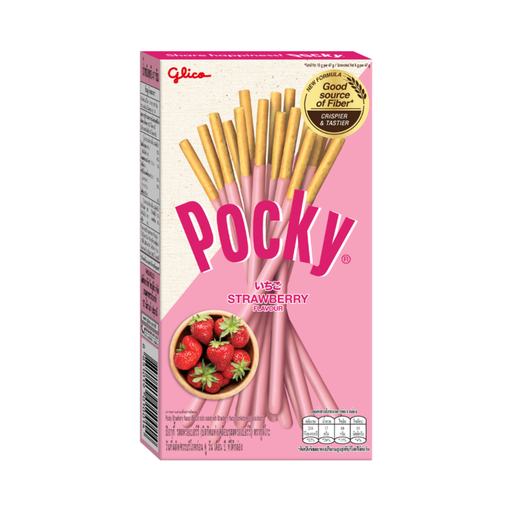
Why This Fits Their Persona: Pocky is the quintessential Japanese biscuit stick snack. Anyone looking for that classic, crispy bite combined with a sweet cream glaze will find the original here. The strawberry version is one of the most popular flavours.
As a product from Glico, the inventor of Pocky, authenticity is guaranteed. Buying through an established retailer ensures you receive the original product with correct labelling, not an imitation.
Light, crispy texture that isn't too heavy. The fruity strawberry flavour is sweet but not overpowering. Ideal for sharing or for a snack on the go.
We've compiled a complete, up-to-date list of products that fully meet these strict selection criteria and European safety regulations.
Most Japanese sweets should be stored in a cool, dry place, protected from direct sunlight. In particular, products with a chocolate coating, such as Pocky or Alfort, should be kept at temperatures below 28°C. At higher temperatures, the fat in the chocolate can rise to the surface and harden with a whitish appearance. This is a purely physical process that does not affect the quality or safety of the product.
Many products, especially those with playful designs like the Hello Panda Biscuits, are very popular with children. However, as with all confectionery, it is advisable for parents to check the ingredients list for potential allergens and the sugar content to make an informed decision.
Pocky, made by the company Glico, is the world-renowned brand for thin, crispy biscuit sticks with various glazes. Tokimeki is another brand that also offers biscuit sticks, but their texture can vary depending on the product, for example, being softer or thicker. Both brands offer different flavour and texture experiences that are worth discovering.