
Lieferung heute & morgen

Qualitätsgarantie

Willkommens-Angebote freischalten: KOSTENLOSE Lieferung | Bis zu 80 % RABATT | Kostenlose 30-Tage-JoyPlus-Testphase
App herunterladen
The world of Japanese sweets is as diverse as it is fascinating. From traditional rice cakes to modern Japanese chocolate, the sheer variety can be overwhelming, especially when you want to buy Asian snacks online. This article serves as a practical guide, introducing different types of confectionery and offering a curated selection to simplify your decision and help you find products that match your preferences.
To find the right sweets from Japan for you, a few key points can be helpful. Instead of being swayed by colourful packaging, objective criteria allow for a more informed choice.
Japanese confectionery can be broadly divided into two categories:
A look at the product description is essential, especially when buying online. Pay close attention to the ingredients list, particularly if you have known allergies or intolerances. Information on allergens such as milk, soy, wheat, or nuts must be clearly declared. The nutrition facts table also provides information on sugar and fat content, supporting a conscious purchasing decision.
A reliable online Japanese store is distinguished by its transparent product presentation. Detailed descriptions, complete ingredient lists in English, and clear images are indicators of a reputable seller. This ensures you receive exactly what you expect.
Based on popular flavour profiles and product features, we have put together a selection that offers a glimpse into the diversity of Japanese confectionery.
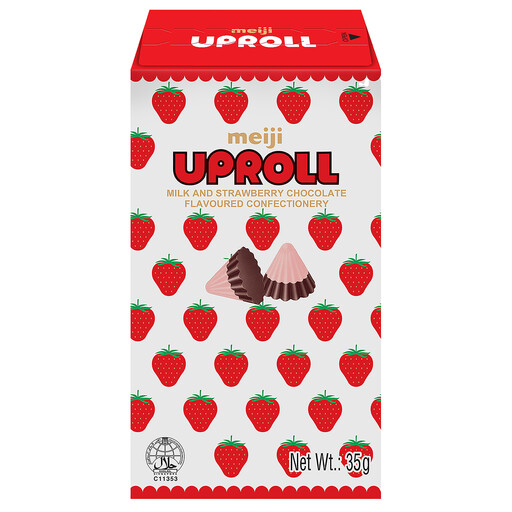
Why it stands out: These small, filled chocolate rolls from Meiji combine creamy milk chocolate with a fruity strawberry filling. The texture is melt-in-your-mouth, and the sweetness is well-balanced, allowing the chocolate and fruit flavours to shine through. The round shape and filling make it an interesting chocolate snack.
Pros:
Who it's for: For lovers of fruity-chocolate combinations and those looking for a light, not-too-sweet chocolate snack for in-between meals.
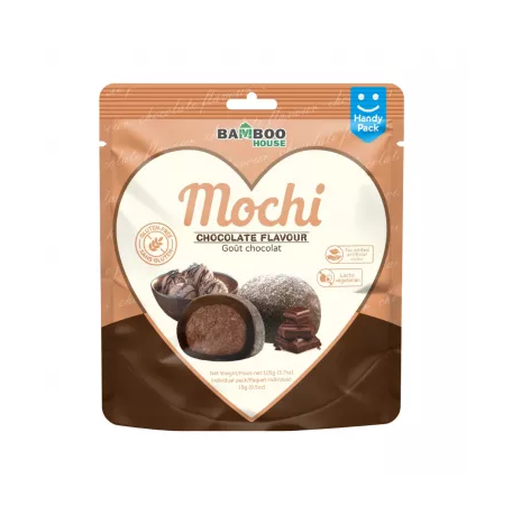
Why it stands out: This product blends the traditional Japanese mochi texture with a modern chocolate filling. The dough, made from glutinous rice powder, is soft and chewy, while the core contains a creamy cocoa-based filling. It's a great option for anyone looking to order mochi online and try an alternative to the classic bean paste.
Pros:
Who it's for: For those curious to experience the texture of mochi, as well as fans looking for a modern twist on the classic.
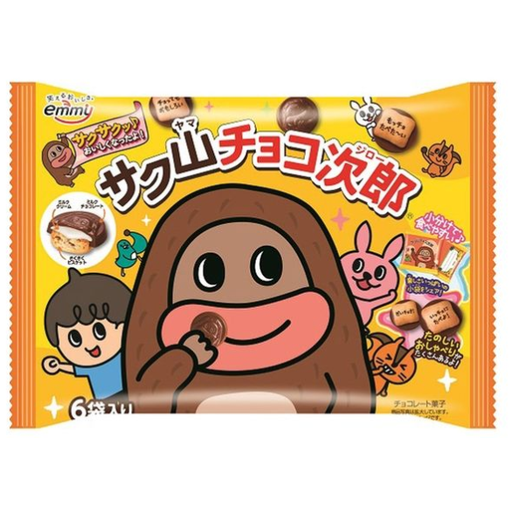
Why it stands out: The ShoEi SakuYama Choco Jiro is a crispy biscuit half-coated with a layer of chocolate and cocoa components (15%). The base is a butter biscuit made from ingredients like wheat flour, butter, and egg. The combination of the crunchy biscuit and smooth chocolate creates a delightful textural contrast.
Pros:
Who it's for: Ideal for biscuit and chocolate lovers who prefer a crunchy alternative to soft sweets. It pairs well with coffee or tea and is practical for families or small gatherings thanks to its pack size.
These three products represent just a small sample. The world of sweets from Japan includes countless other flavours and forms, from matcha cookies and yuzu candies to savoury rice crackers.
If your favourite wasn't featured or you simply want to browse further, you can find more options in our comprehensive category.
? Discover the entire range of Japanese sweets here
Japanese sweets often stand out for three key features:
When buying mochi online, it's wise to choose shops that provide detailed product information. A good online Japanese store will list all ingredients and allergens, so you know exactly what you're buying. Pay attention to the best-before date and storage instructions, as mochi tastes best when fresh.
No, that's a common misconception. Many sweets from Japan focus on a balanced harmony of flavours. The Japanese palate also appreciates subtle, complex, and even slightly salty or bitter notes (as with matcha). As a result, many Europeans find Japanese confectionery to be less intensely sweet compared to local products.