
Lieferung heute & morgen

Qualitätsgarantie

Willkommens-Angebote freischalten: KOSTENLOSE Lieferung | Bis zu 80 % RABATT | Kostenlose 30-Tage-JoyPlus-Testphase
App herunterladen
Japanese tableware enriches the dining table not only with its functionality but also with a unique aesthetic that turns every meal into a special experience. However, the search for the right pieces can quickly become overwhelming. Many buyers invest in products that are visually appealing but prove to be impractical or less durable in daily use. This guide will help you identify the essential features and make an informed decision.
As your Joybuy Product Recommendation Officer, I have analysed the most common pitfalls to help you avoid buyer's remorse and find products that meet your standards for both design and function.
Japanese tea cups made from low-quality ceramic can become too hot to hold. Design should never compromise practicality.To ensure your new tableware is both aesthetically pleasing and functional, you should check three core aspects. These will help you buyJapanese ceramics that are a perfect fit for you.
The umbrella term Japanese ceramic tableware covers various materials with different properties:
Define what you need the tableware for. The right dimensions are crucial for functionality:
ramen bowl should have a diameter of at least 18 cm and a capacity of 800 ml or more. This is the only way to ensure there is enough space for noodles, broth, and various toppings without anything spilling over.Here are some recommendations tailored to specific use cases and needs.
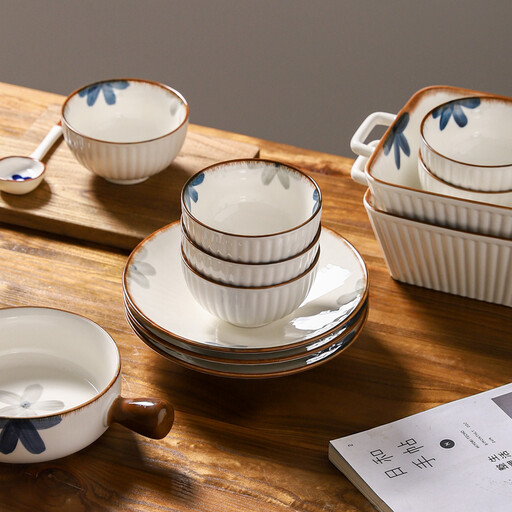
Why This Fits Their Persona: This set provides a complete starter kit for one person, including bowls of different sizes, a plate, and a spoon. It's ideal for anyone looking for a coordinated, aesthetic `Japanese dinnerware set` without the hassle of curating individual pieces.
Instead of buying a single, impractical item, you get a functionally coordinated set. The different bowl sizes cover various uses, from a rice bowl to a small soup bowl.
Comprehensive 7-piece set for one person. Uniform design for a harmonious table setting.
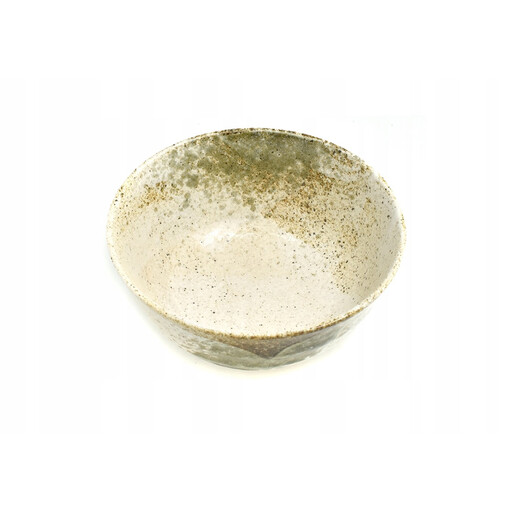
Why This Fits Their Persona: Perfect for home cooks who want to serve Japanese noodle soups like udon or ramen authentically. This bowl was designed specifically for this purpose, offering the right size and depth for a complete meal.
This bowl avoids the trap of inadequate functionality. With a 17 cm diameter and 800 ml capacity, it is explicitly designed as a noodle soup bowl, not just a small, decorative object.
Made from high-quality porcelain in Japan. Dishwasher-safe for easy everyday cleaning.
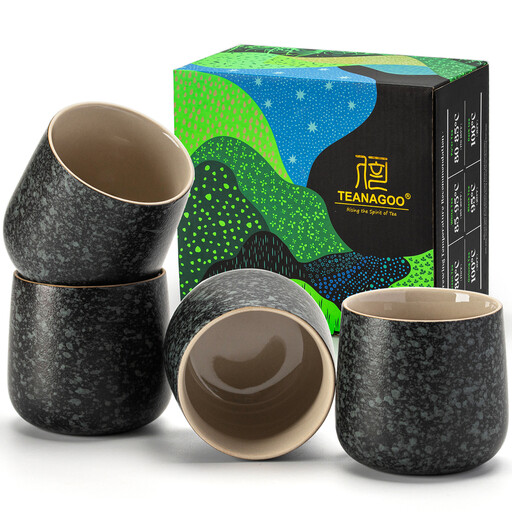
Why This Fits Their Persona: This set is aimed at users who appreciate the tactile experience of a tea cup. The exterior, with its textured, rock-like glaze, offers a secure grip and a unique feel, while the smooth interior showcases the colour of the tea.
These cups are made from high-quality, lead- and cadmium-free ceramic clay. The material is chosen to insulate heat well, making the cup comfortable to hold even without a handle—something often not true for cheaper ceramics.
Dual-surface finish for both tactile feel and visual appeal. Dishwasher, microwave, oven, and freezer safe for maximum versatility.
We have compiled a complete, up-to-date list of products that fully meet these strict selection criteria and safety standards.
1. Is Japanese ceramic tableware dishwasher-safe? It largely depends on the material and glaze. High-quality porcelain and many stoneware products are suitable for the dishwasher. However, for hand-painted pieces, items with gold trim, or very rustic, unglazed surfaces, hand washing is often recommended to ensure the longevity of the decoration and finish. Always check the manufacturer's instructions for the specific product.
2. What is the difference between Japanese porcelain and stoneware? The main difference lies in the manufacturing process and the resulting properties. Porcelain is made from finer clay (kaolin) and fired at higher temperatures (approx. 1200–1400°C). This makes it non-porous, very hard, and often translucent. Stoneware is fired at lower temperatures (approx. 1100–1200°C), is denser, opaque, and has a more earthy, robust feel. Both materials have their own unique aesthetic and are well-suited for Asian tableware.
3. How do I choose the right size for a ramen bowl? For an authentic ramen experience, size is crucial. A good ramen bowl should have a diameter between 18 and 24 cm and a capacity of at least 800 to 1200 ml. This provides enough space to arrange the noodles, a generous amount of broth, and various toppings like meat, egg, and vegetables appealingly without the bowl looking overcrowded.