
Lieferung heute & morgen

Qualitätsgarantie

Willkommens-Angebote freischalten: KOSTENLOSE Lieferung | Bis zu 80 % RABATT | Kostenlose 30-Tage-JoyPlus-Testphase
App herunterladen
By Joybuy Product Recommendation Officer, 28 August 2026
The world of Japanese tea can be overwhelming for newcomers and even for seasoned tea drinkers. Marketing claims and a vast array of varieties make it difficult to distinguish authentic quality from overpriced products. Before you invest your money, it's crucial to understand the common pitfalls that can lead to disappointment.
To avoid a bad purchase, you should check three core aspects. These will help you to objectively assess product quality.
Japan offers an impressive diversity of tea varieties that differ greatly in cultivation, processing, and flavour profile. Knowing the basics is key to making the right choice.
Your lifestyle will determine the most practical format.
Look for a clear statement of origin. Products from Japan often adhere to high production standards. For ready-to-drink beverages and flavoured teas, the ingredients list is crucial. A short list without artificial flavourings or excessive sugar is usually a sign of a higher-quality product.
Here are some recommendations tailored to different needs and preferences.

Why It's a Match: Ideal for anyone who wants to try authentic Japanese green tea in a straightforward way. The tea bags require no special equipment and deliver a consistent result, perfect for the office or a quick cup at home.
This product makes no exaggerated claims. It is clearly declared as Japanese green tea in bags, offering an honest, accessible tea experience without the "ceremonial" grade hype.
Quick and easy preparation (30–60 second steeping time). Made from 100% Japanese green tea with no artificial additives.
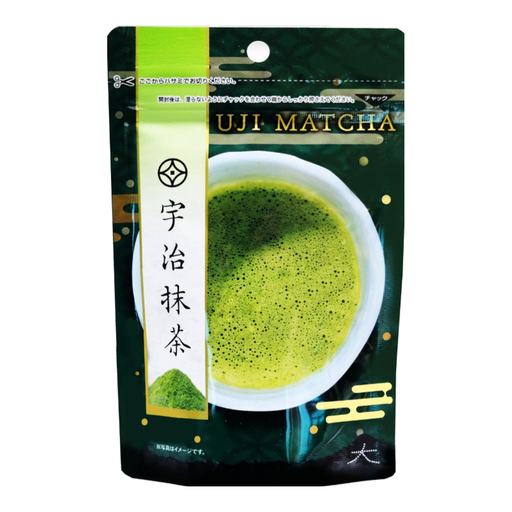
Why It's a Match: For those seeking authentic, high-quality matcha powder. Ideal for traditional preparation or for making a premium matcha latte where the pure tea flavour is the star.
This product bypasses the vague "ceremonial" term trap with a specific origin: Uji, Kyoto, Japan's most renowned tea region. Furthermore, the producer, Hishiwaen, has a history of over 160 years.
Balanced flavour with rich umami and natural sweetness. The fine, stone-ground powder ensures a smooth, clump-free texture.

Why It's a Match: For quick yet authentic tea enjoyment on the go. This ready-to-drink beverage from Itoen, a leading Japanese tea brand, offers pure tea flavour without the hassle of preparation.
This drink strictly avoids the sugar trap. It is unsweetened (0g sugar) and contains no artificial flavourings, allowing the pure taste of green tea and matcha to take centre stage.
Maximum convenience without compromising on taste. The bold, slightly astringent flavour is refreshing and authentic.

Why It's a Match: For anyone looking for an alternative to classic green tea. This ready-to-drink Hojicha tea offers a unique, nutty, smoky flavour experience and is naturally low in caffeine due to the roasting process.
The product is clearly labelled as Hojicha, thus avoiding confusion with conventional green tea. It is also sugar-free (0g sugar), which guarantees a pure and unadulterated taste experience.
Rich, toasty aroma. Ideal as a refreshing evening drink or for those sensitive to caffeine.
We have compiled a complete, up-to-date list of products that fully meet these strict selection criteria.
Sift about 1-2 grams (approx. half a teaspoon) of matcha powder through a small sieve into a bowl. Add a small amount (approx. 60-80 ml) of hot, but not boiling, water (approx. 80°C / 176°F). Whisk the mixture with a bamboo whisk (chasen) in a rapid 'W' or 'M' motion until a fine froth forms and no clumps are visible.
The main difference is in the processing. Japanese green tea like Sencha is steamed after harvesting to halt oxidation. This preserves the vibrant green colour and results in a fresher, grassier, and often more umami-rich flavour. Chinese green tea, in contrast, is typically pan-fired, which gives it a milder, earthier, and often slightly nutty aroma.
Always store your tea in an airtight, opaque container in a cool, dry place. Avoid proximity to strong-smelling foods like coffee or spices. Opened matcha powder should ideally be stored in the refrigerator and consumed within a few weeks to preserve its freshness and colour.