
Lieferung heute & morgen

Qualitätsgarantie

Willkommens-Angebote freischalten: KOSTENLOSE Lieferung | Bis zu 80 % RABATT | Kostenlose 30-Tage-JoyPlus-Testphase
App herunterladen
Japanese mochi ice cream combines a soft rice-dough shell with a frozen filling. The result is a portioned dessert with a distinctive texture that sets it apart from traditional ice cream. However, if you want to buy mochi ice cream, you should not be guided solely by flavour names or eye-catching packaging. Ingredients, number of pieces, storage requirements and allergens determine whether a product suits your needs.
Names such as mango, matcha or yuzu initially only describe the flavour. The proportion of the named ingredient can vary considerably. For example, Koyuki Mango Mochi Ice Cream contains 34% mango purée. In other products, the flavour may mainly come from flavourings or colourings.
That is why it is worth checking the ingredients list when choosing matcha mochi ice cream: does it contain green tea or matcha powder, or is only a corresponding flavouring used? This distinction is particularly important for shoppers looking for a clearly recognisable Japanese flavour profile.
A 180 g pack of several Koyuki varieties contains six pieces of 30 g each. This is suitable for individual portions at home or a small dessert. For a party, café or resale, however, this quantity may be limited.
Conversely, bulk packs such as 100 portions or 200 portions of water ice are not automatically suitable if you are specifically looking for Japanese mochi ice cream. Before buying, you should therefore compare portion size, total weight and the number of portions required.
Mochi ice cream generally needs to be stored at below −18 °C. Once thawed, the Koyuki products mentioned must not be refrozen. If you order frozen goods online, make sure they can be delivered appropriately and that you have enough space in your freezer. “Remove a few minutes before serving” does not mean that the product should be left at room temperature for an extended period.
The rice-dough shell typically consists of glutinous rice flour, water and sugar. The filling may contain milk ingredients, vegetable fats, cocoa, fruit purée or tea. In the Koyuki chocolate product, milk is listed as an allergen. According to the product information, the black sesame variety contains milk and sesame.
The same applies to products with no declared allergens: the information on the packaging is the authoritative source and should be checked again before consumption. Recipes can change. For retailers and households with children, it is also relevant to check whether additives such as colourings or sweeteners are included.
Mochi ice cream is a dessert, not a staple food. Nutritional values vary depending on the variety:
These values refer to 100 g, not to a single piece. With six portions per pack, it is still easy to plan how much to serve. If you want to control the sugar content of the overall dessert, use additional ice cream toppings, syrups and dessert creams sparingly.
Mochi ice cream that is too deeply frozen may be firm when you take the first bite, while leaving it to thaw for too long can make the shell sticky. The manufacturer’s recommendation to remove the product from the freezer a few minutes before serving is therefore practically important.
For a dessert buffet, mochi pieces can be served with fruit, a small amount of dessert cream or a thin drizzle of fruit syrup. Liquid toppings should only be added immediately before serving so that the rice-dough shell retains its shape as well as possible.
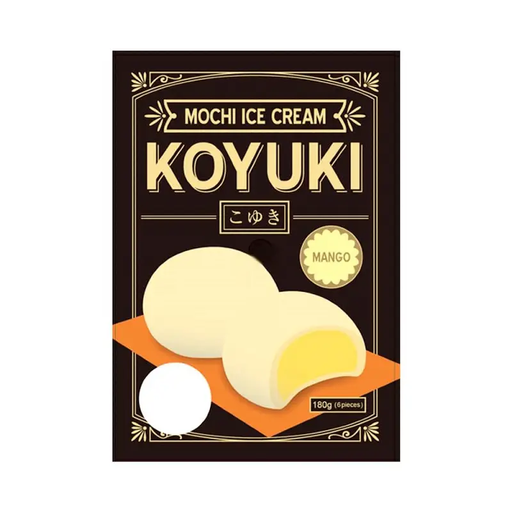
Why this product suits this profile: The pack contains six individual portions, making it an easy and manageable introduction to Japanese ice cream, as well as simple to share among household members.
The stated mango purée content of 34% makes the ingredient base more transparent than a flavour name alone.
180 g total weight, six portions and, according to the product information, no allergens that require declaration.
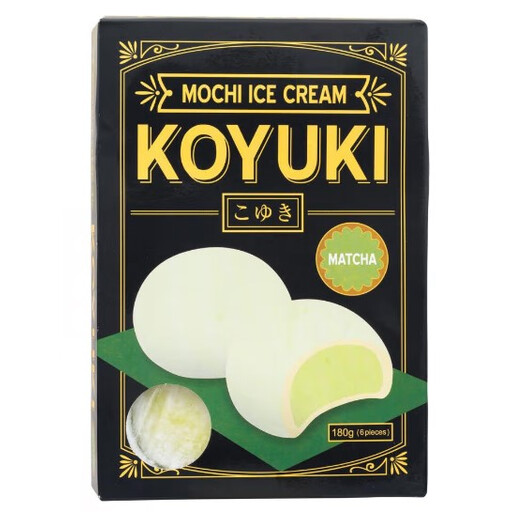
Why this product suits this profile: The ingredients list mentions green tea or tea powder, making the choice more transparent for matcha enthusiasts.
The product information lists milk as an allergen, allowing the recipe to be taken into account when planning your shopping.
Six individual pieces, 180 g of product and a stated matcha content in the ingredients list.
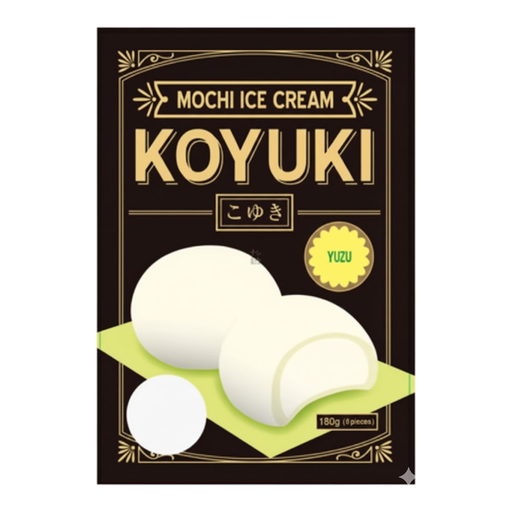
Why this product suits this profile: Yuzu is ideal for shoppers looking for a citrus note and wanting to use mochi ice cream creatively in dessert dishes.
The information explicitly lists lemon juice and yuzu juice; it also states 204 kcal per 100 g.
180 g pack, six portions and, according to the product information, no allergens.
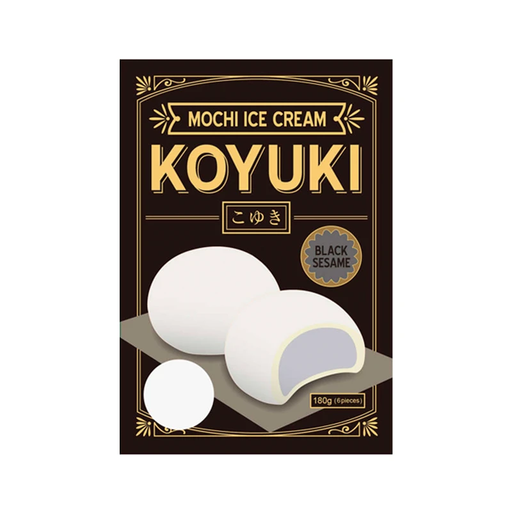
Why this product suits this profile: Black sesame offers a nutty flavour for dessert lovers who want to go beyond fruity varieties such as mango mochi ice cream.
Milk and sesame are listed as allergens. This makes it easy to distinguish the variety from products without sesame.
Six portions, 180 g total quantity and a clearly stated sesame-and-milk recipe.
For a Japanese-inspired dessert, mochi pieces can be enhanced with just a few ingredients. According to the product information, Terifico Matcha Flavor Syrup is suitable for drinks, ice cream, pancakes and waffles. However, it contains 71 g of sugar per 100 ml and may contain traces of milk and nuts. A small amount is therefore usually sufficient.
If you need a larger quantity for drinks, desserts or events, you could consider Tri Top Cherry Syrup 6 x 0,6 L. The stated mixing ratio is one part syrup to seven parts water; a different quantity may be more suitable for ice cream toppings. Once opened, the syrup should be refrigerated and used within a few weeks.
More combinations:
The ingredients, allergens and storage instructions for every additional product should be checked separately.
We have put together a complete, regularly updated list of products that fully meet these strict selection criteria and the safety regulations applicable in the EU.
The specific best-before date is shown on the packaging. Frozen Koyuki products are stored at below −18 °C. Once thawed, they must not be refrozen. To maintain quality, the packaging should remain sealed until serving.
Remove the pack from the freezer a few minutes before serving. This allows the rice-dough shell to soften slightly. The product should not be allowed to thaw completely. Appropriate portion control is recommended for children and people who should eat very cold foods slowly.
Mango mochi ice cream is fruity, while yuzu adds a citrus note. Matcha is aimed at green tea fans, whereas black sesame offers a nutty flavour. Chocolate works well with classic dessert combinations. Your choice should also take allergens, sugar content, pack size and available freezer capacity into account.