
Lieferung heute & morgen

Qualitätsgarantie

Willkommens-Angebote freischalten: KOSTENLOSE Lieferung | Bis zu 80 % RABATT | Kostenlose 30-Tage-JoyPlus-Testphase
App herunterladen
As a Joybuy Product Recommendation Officer, I see the vast selection of ready meals for toddlers every day. When it comes to jarred pasta meals for babies, parents often find themselves in front of a huge shelf, wondering which product is right for their child. The decision is often complicated by marketing promises and unclear labelling. This guide is designed to help you identify the essential criteria and avoid common purchasing pitfalls.
The three most common pitfalls when buying pasta meals for babies are:
To make an informed decision, you should check three core parameters. These will help you objectively assess the quality and suitability of a jarred pasta meal.
The food's texture is crucial for oral motor development. Manufacturers adapt the consistency to different developmental stages:
Check the product description carefully for terms like "finely puréed" or "with soft chunks to encourage chewing."
A look at the back of the label is essential. Pay attention to the following points:
Practicality plays a major role, especially when you're in a hurry.
Here are some product recommendations tailored to the different requirements of parents and children.
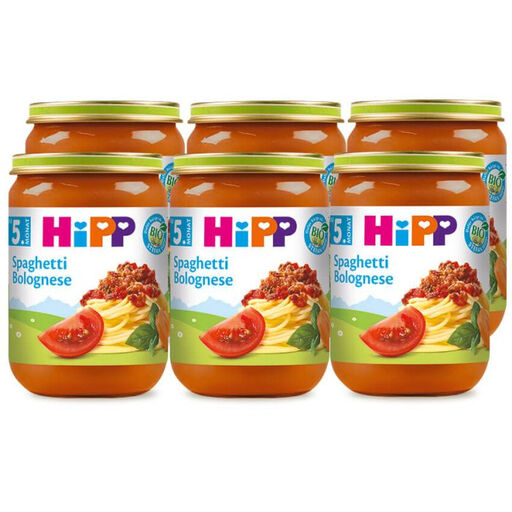
Why this product is a good fit: Ideal for the first pasta meals. The finely puréed consistency is tailored to the needs of babies from 5 months and eases the transition to more solid food.
This product avoids the pitfall of unsuitable texture, as it is explicitly declared "finely puréed," making it safe for babies starting on solids.
According to the manufacturer, it has no added salt and uses organic-quality ingredients. Contains rapeseed oil as a source of omega-3 fatty acids.
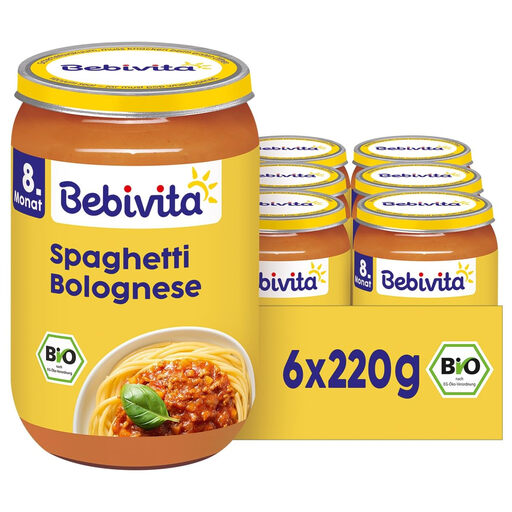
Why this product is a good fit: The finely chopped texture is specially designed to encourage babies from 8 months to chew without overwhelming them. A great choice for the transition from purées to more solid food.
This meal specifically addresses the "learning to chew" stage, offering a clearly defined, chunky consistency that differs from the finer purées for younger babies.
A complete meal of organic quality with an age-appropriately low salt content. The multipack makes stocking up easy.
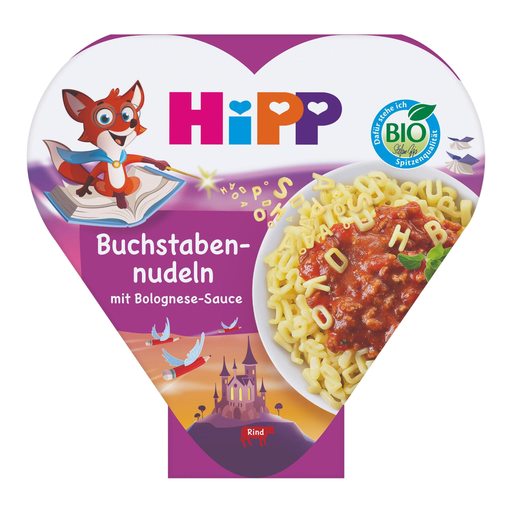
Why this product is a good fit: For toddlers who are already eating independently. The heart-shaped tray is practical and motivating. The nutrient composition is designed for the needs of children from one year onwards.
This product solves the problem of impractical packaging. The microwave-safe tray allows for quick preparation and encourages a child's independence at mealtimes.
A complete, organic-quality meal that, according to the manufacturer, is prepared by gently steam-cooking the ingredients. Ideal for a quick and balanced meal.
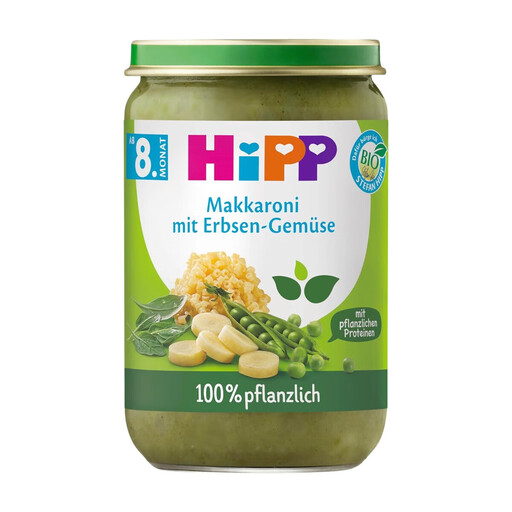
Why this product is a good fit: A complete, purely plant-based meal that offers an alternative to classic meat dishes. Ideal for families who prefer a vegetarian diet for their child or want to add variety to the meal plan.
This product refutes the assumption that a nutritious meal must contain meat. It avoids the low-nutritional-value pitfall by providing valuable plant-based protein from organic peas.
EU organic certified, with no added salt and a chunky consistency suitable for babies from 8 months. A well-designed vegetarian option.
We have compiled a complete, up-to-date list of products that fully meet these strict selection criteria.
You can heat the open jar or a partial portion in a water bath or microwave. Stir the meal well afterwards to distribute the heat evenly. Always check the temperature before feeding to avoid burns. Do not reheat leftovers a second time.
Once opened, if the entire amount was not heated, the jar should be sealed and stored in the refrigerator. According to most manufacturers, the contents should be used by the next day.
Freezing baby food jars is generally not recommended. Glass packaging can crack in the cold. Additionally, the consistency of the pasta and sauce can change after thawing, which many babies may reject. It is advisable to only heat as much as is needed for one meal.