
Lieferung heute & morgen

Qualitätsgarantie

Willkommens-Angebote freischalten: KOSTENLOSE Lieferung | Bis zu 80 % RABATT | Kostenlose 30-Tage-JoyPlus-Testphase
App herunterladen
Finding the right Thai rice can be a challenge. Whether you're preparing an authentic curry, seeking the perfect sticky rice for Mango Sticky Rice, or wanting a nutrient-rich alternative for your meals, the variety of rice types is vast. This guide serves to help you understand the characteristics of different varieties and make an informed purchasing decision. We will introduce you to a selection of products suitable for Thai cuisine.
To make the right choice, some basic knowledge about the different rice varieties and their properties is helpful.
Not every rice is suitable for every dish. The texture and aroma are crucial for the success of traditional recipes.
The quality of rice can be identified by objective criteria, which are often stated on the packaging.
Here is an overview of different rice varieties from the Royal Thai brand, suitable for various preparation methods.
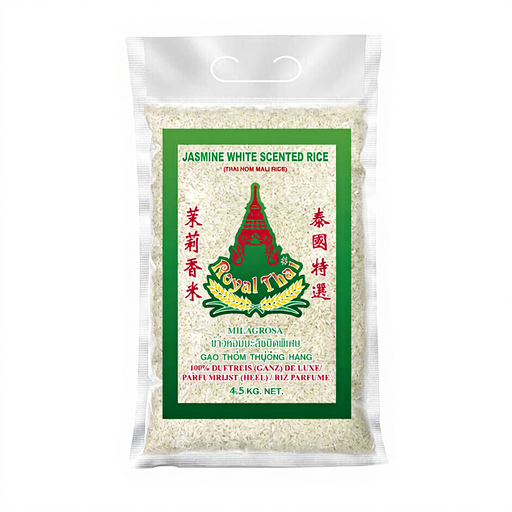
Why It Stands Out This jasmine rice is a classic example of Asian rice varieties. It is characterized by its natural aroma, which is released during cooking. The certification by the Thai "Thai Select" quality seal indicates controlled origin and processing.
Pros
Who It's For For home cooks who want to prepare an authentic side dish for a variety of Thai dishes like green or red curries and who value the typical aroma of aromatic rice.
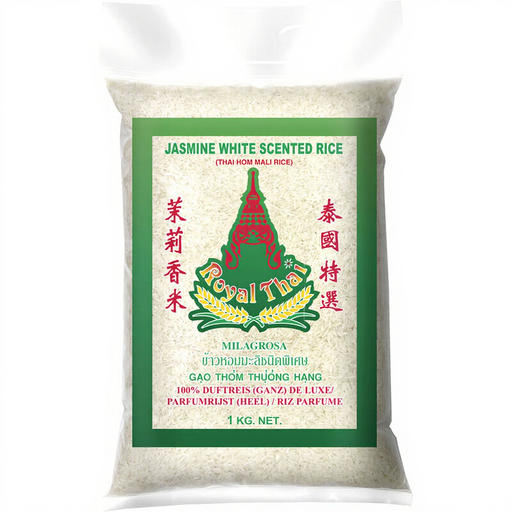
Why It Stands Out This long-grain rice is a versatile option for everyday cooking. With a subtle aroma and a fluffy consistency, it is particularly suitable for dishes where the rice is not meant to be the main focus, such as fried rice.
Pros
Who It's For For anyone looking for a high-quality everyday rice that is especially good for preparing Khao Pad (Thai fried rice) and other stir-fry dishes.
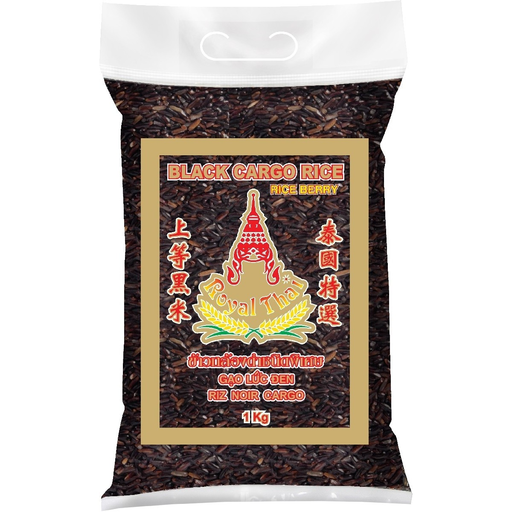
Why It Stands Out This black rice is a whole-grain rice with a deep purple colour and a nutty flavour. As a whole-grain product, it contains the bran and thus more fibre and nutrients than white rice.
Pros
Who It's For For health-conscious consumers and creative cooks looking for a nutrient-rich and visually appealing alternative to white rice. Ideal for salads, bowls, or as a special side dish.
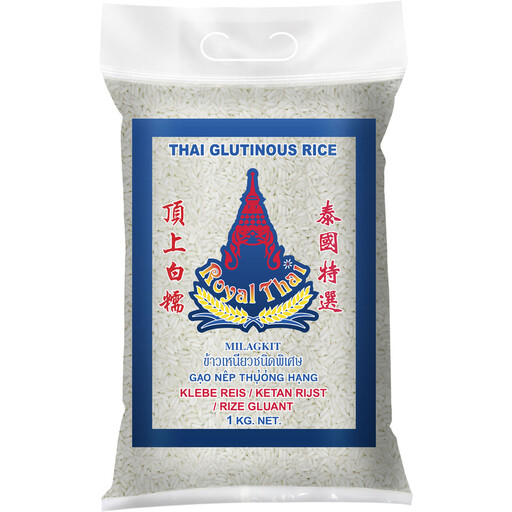
Why It Stands Out This is the authentic glutinous rice (sticky rice) needed for many traditional Southeast Asian desserts and savoury snacks. Its ability to form a cohesive, sticky mass after steaming is unique.
Pros
Who It's For For enthusiasts of Thai cuisine who want to prepare authentic desserts like Mango Sticky Rice or are looking for a rice for traditional dishes from the north and northeast of Thailand.
If you want to stock your pantry with other special ingredients beyond rice, our range of black pasta might also be of interest to you. Discover new possibilities for your creative kitchen.
1. What is the difference between jasmine rice and regular long-grain rice? The main difference is the aroma. Jasmine rice, also known as aromatic rice, releases a natural, floral scent during cooking, which is due to the chemical compound 2-acetyl-1-pyrroline. Additionally, its texture after cooking tends to be softer and slightly stickier than that of conventional long-grain rice, which is usually more neutral in taste and fluffier in consistency.
2. What kind of rice is used for Mango Sticky Rice? For Mango Sticky Rice, only glutinous rice (or sticky rice) is used. This rice has a very high amylopectin content, which gives it a very sticky, dense, and slightly sweet texture after steaming. Regular cooking rice would not produce the desired consistency.
3. How do you cook Thai rice correctly? The preparation method depends on the type of rice. For Jasmine rice, a rice cooker is ideal. The usual ratio is about 1 part rice to 1.25 parts water. Wash the rice once or twice beforehand to remove excess starch. Glutinous rice must be prepared differently: it is typically soaked in water for several hours (at least 4 hours or overnight), then drained, and subsequently steamed for 25–30 minutes until it is cooked and translucent.