
Same-day & Next-day Delivery

Quality Guaranteed

Unlock Your Welcome Offers: FREE Delivery | Up to 80% OFF | Free 30-day JoyPlus trial
Download the APP
Jasmine rice is the foundation of many Asian dishes, from Thai curries to fried rice. Its signature fragrance and slightly sticky texture are essential for an authentic culinary experience. However, the market can be overwhelming, and not every package labelled "fragrant rice" delivers on its promise. Many consumers invest in a large bulk package only to discover at home that the aroma is missing or the rice cooks down to a mush.
As your Joybuy Product Recommendation Officer, I'll help you avoid the common pitfalls. We'll look at the objective characteristics that truly matter, so you can make an informed decision—whether for your family's pantry or for professional restaurant use.
Before we dive into quality characteristics, let's highlight the most common issues that can lead to a disappointing purchase.
To avoid these mistakes, focus on three verifiable criteria. These will help you objectively assess the quality of a package of Jasmine rice.
Not all long-grain rice from Asia is jasmine rice. The origin is a crucial indicator of quality and flavour profile.
The quality of the individual rice grain determines the final cooked result. A good long-grain rice should be long, slender, and as intact as possible.
For many households and food service businesses, a bulk rice package is the most economical choice. Sizes like 18 kg rice or 20 kg are common.
Here are some recommendations from our collection, tailored to different needs and use cases.
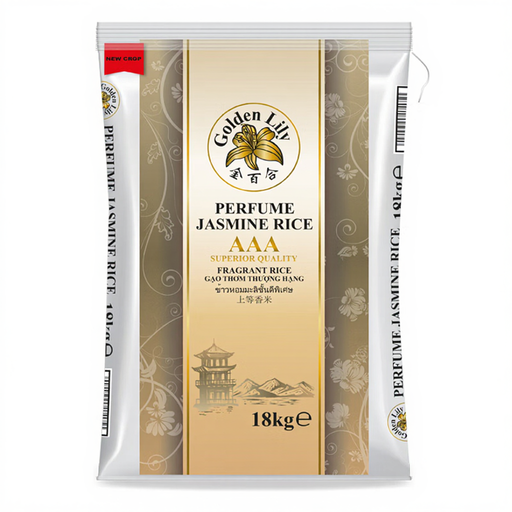
Why This Fits Their Persona: This 18 kg bulk package offers solid value for money for regular consumption. The rice is versatile, whether steamed as a side dish or prepared as a comforting rice porridge (congee).
The product description highlights the "plump, translucent grains" and the sturdy, moisture-resistant packaging. This indicates good grain quality and protection against aroma loss.
Economical bulk rice package for daily use. Soft, slightly sticky texture suitable for many standard dishes.
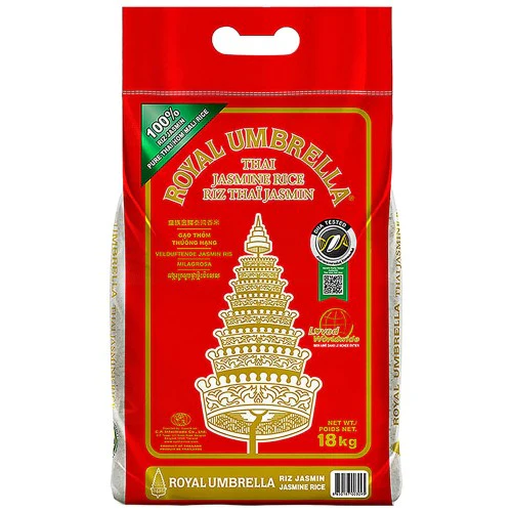
Why This Fits Their Persona: For cooks seeking the authentic, floral aroma and soft texture of genuine Thai jasmine rice. Ideal for dishes where the rice is the star and its fragrance can shine.
This product carries the "Thai Hom Mali" designation, which guarantees certified origin and quality. The "harvested once a year" claim suggests careful selection to maximise aroma, thus avoiding the trap of bland "fragrant rice."
Certified premium quality with a distinct floral aroma. Considered the benchmark for professional kitchens and authentic Thai dishes.
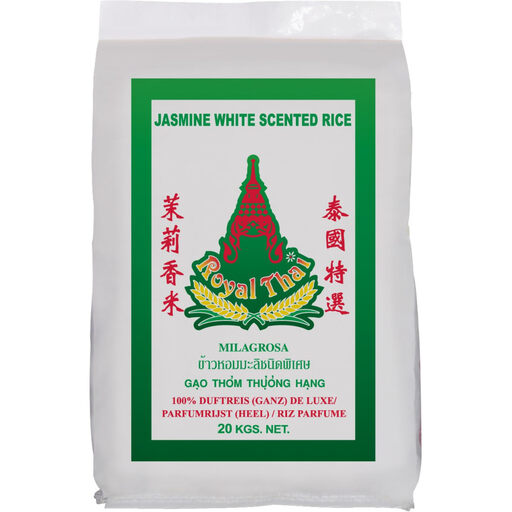
Why This Fits Their Persona: A very economical option for restaurants or large families where large quantities are needed and grain integrity is not always the top priority. Perfect for fried rice, stuffings, or rice porridge.
This product is transparently labelled as containing broken rice ("fractured grains"). It avoids the pitfall of a hidden high broken-grain percentage by being honestly positioned for use cases where this is not a drawback.
Excellent value for money in a 20 kg bulk package. Retains the typical aroma and flavour of jasmine rice despite the broken grains.
We've compiled a complete, up-to-date list of products that meet these strict selection criteria and quality standards.
Although both are aromatic long-grain rice varieties, there are clear differences. Jasmine rice comes from Southeast Asia (primarily Thailand), has a floral, pandan-like aroma, and becomes soft and slightly sticky when cooked. Basmati rice originates from the Indian subcontinent, has a nutty aroma, and its grains remain longer, drier, and more separate after cooking.
To preserve the aroma of a bulk rice package, proper storage is crucial. After opening, transfer the rice into one or more large, airtight containers. Store them in a cool, dry, and dark place, such as a pantry. Direct sunlight and moisture should be strictly avoided, as they accelerate the aging process and destroy the aroma.
Yes, it is recommended to briefly rinse jasmine rice with cold water once or twice before cooking. This process removes excess starch from the grain's surface. The result is rice that is less sticky and has a looser, fluffier texture. For a creamier consistency, as desired in risotto or rice porridge, you can skip the washing step.