
Lieferung heute & morgen

Qualitätsgarantie

Willkommens-Angebote freischalten: KOSTENLOSE Lieferung | Bis zu 80 % RABATT | Kostenlose 30-Tage-JoyPlus-Testphase
App herunterladen
Finding the right jasmine rice can be a challenge given the wide variety available. Whether for an authentic Thai curry, as a fragrant side dish, or as the base for a health-conscious meal, choosing the right type of rice is crucial for success. This article serves as a guide to make your selection easier. We will introduce objective criteria and present a selection of products for different needs, from home use to professional food service.
To make an informed decision, it helps to have some basic knowledge about jasmine rice. The following points highlight the most important distinguishing features.
When searching for particularly high-quality Thai Jasmine Rice, you will often come across the term "Thai Hom Mali". This is not a brand name, but an official seal of quality from the Thai government. It certifies that the rice is a specific premium jasmine variety grown exclusively in certain regions of Thailand. Rice with this seal is known for its distinct floral aroma, which has also earned it the name fragrant rice, and its exceptionally soft, slightly sticky texture after cooking.
Jasmine rice is available in several varieties, which differ in taste, texture, and nutritional profile.
The choice of pack size depends on your individual consumption.
Based on the criteria mentioned, we have compiled a selection of products that cater to different needs.
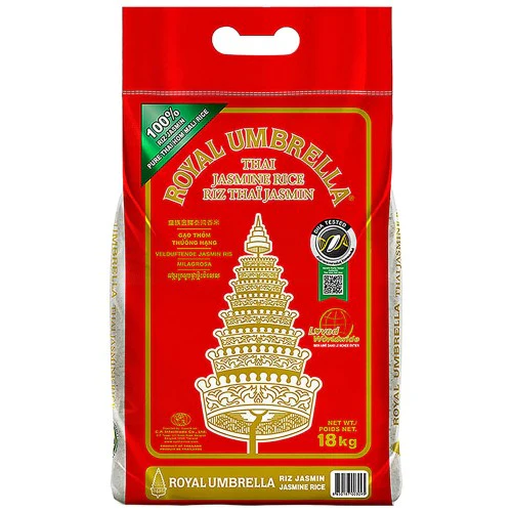
What makes it stand out: This rice from the Royal Umbrella Rice brand bears the coveted "Thai Hom Mali" seal, which stands for the highest purity and quality. It is harvested only once a year to ensure the optimal development of its aroma and texture. The bulk pack of 18 kg makes it a benchmark for professional kitchens that value authenticity and consistency.
Benefits:
Who it's for: This product is ideal for food service businesses, especially Thai restaurants, as well as for large families and co-ops with a high and regular demand for premium jasmine rice.
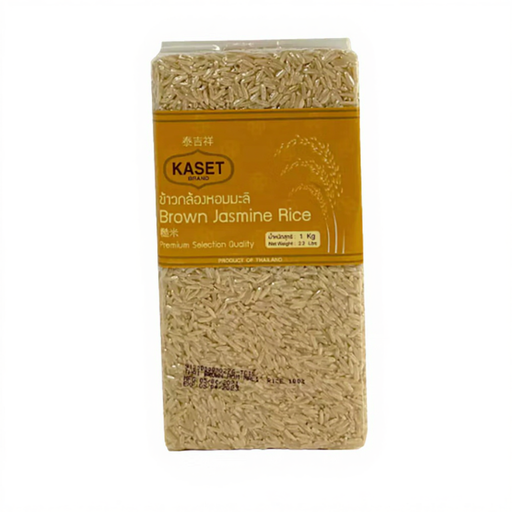
What makes it stand out: The brown jasmine rice from Kaset is a whole-grain alternative to classic white rice. It retains its nutrient-rich bran layer, giving it a nuttier flavour and a firmer texture. The convenient 1 kg pack is tailored to the needs of home kitchens.
Benefits:
Who it's for: Perfect for health-conscious consumers who appreciate the nutritional value of whole grains, as well as for anyone looking for a change in texture and flavour from traditional white rice.
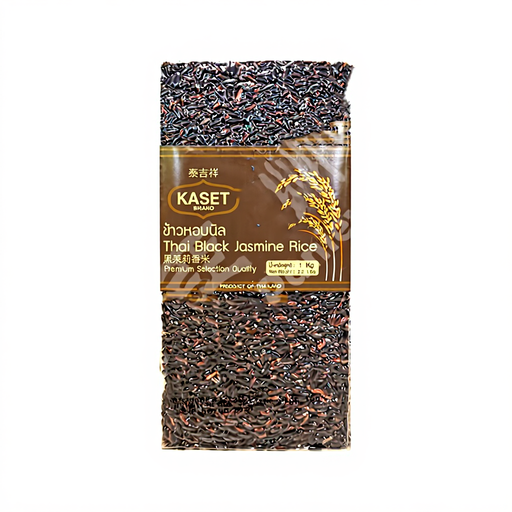
What makes it stand out: This black rice from Kaset is a visual highlight on any plate. Its deep purple colour is retained even after cooking. The texture is soft and slightly sticky, similar to white jasmine rice, but with a richer, nuttier flavour profile. According to the manufacturer, it contains 7g of protein and 80g of carbohydrates per 100g, with no added sugar or salt.
Benefits:
Who it's for: For creative home and professional chefs who want to add a special touch to their dishes. It is excellent in salads, as a side dish, or as a base for colourful bowls.
If you haven't found the perfect match in our selection or are looking for more culinary inspiration, you can find a wider range in our assortment. Browse through our seasonal highlights and discover new favourites.
Discover more offers in our shop here
Although both are considered fragrant rice, they come from different regions and have distinct characteristics. Jasmine rice is from Thailand, has shorter, rounder grains, and becomes slightly sticky when cooked. Its aroma is floral. Basmati rice comes from India and Pakistan, has long, slender grains that remain fluffy and separate after cooking, and has a more nutty scent.
For optimal results, it is recommended to briefly rinse the rice with cold water before cooking to remove excess starch. A common ratio is 1 cup of rice to 1.2 cups of water. Using a rice cooker delivers the most consistent results. After the cooking cycle ends, the rice should be left to steam with the lid on for about 10 more minutes, allowing the grains to absorb any remaining moisture.
The decision depends on personal preferences and dietary goals. Brown jasmine rice is a whole-grain product and contains more fibre, vitamins, and minerals compared to white jasmine rice because the bran and germ are preserved. This results in a firmer texture and a nuttier flavour. White jasmine rice has a softer texture and a milder taste that allows the flavours of other ingredients to stand out more. Both varieties have their place in a balanced diet.