
Lieferung heute & morgen

Qualitätsgarantie

Willkommens-Angebote freischalten: KOSTENLOSE Lieferung | Bis zu 80 % RABATT | Kostenlose 30-Tage-JoyPlus-Testphase
App herunterladen
Finding authentic jasmine rice can be a challenge, especially with the vast selection of brands, qualities, and pack sizes available. Whether for an aromatic Thai curry, a nourishing rice soup, or a fragrant side dish, the right type of rice is crucial for the success of your meal. This article serves as a practical guide to simplify your selection, introducing different rice types and offering a range of products suited for various culinary needs.
To make an informed decision, it helps to have some basic knowledge about the different characteristics of jasmine rice.
The quality and type of the rice grain significantly influence its texture and cooking applications.
The origin can be an indicator of the flavour profile. Thai rice from Thailand and rice from Cambodia are known for their high quality and distinct aroma. The choice of pack size depends on individual consumption. While packs of 1 to 5 kg are common for private households, a bulk rice pack of 18 kg or more is an economical solution for restaurants or large families.
Here is a curated selection of rice varieties tailored to different needs—from unique specialities to bulk packs for daily use.
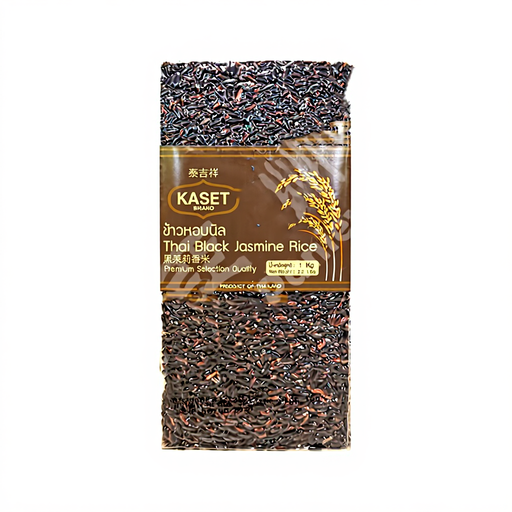
What Makes This Product Stand Out This black jasmine rice from Kaset is a whole-grain variety that develops a deep purple colour and a soft, slightly sticky texture when cooked. It offers a visually and tastefully interesting alternative to classic white Asian rice.
Product Details
Who Is This Product For? This product is aimed at home cooks who want to add a special touch to their dishes, as well as health-conscious individuals looking for a nutrient-rich whole-grain alternative. The 1 kg pack is ideal for use in private households.
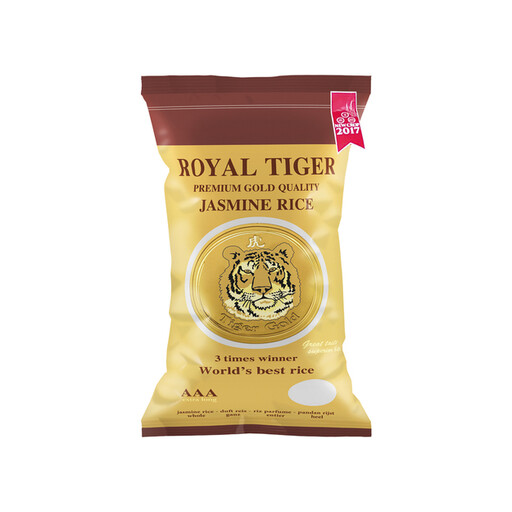
What Makes This Product Stand Out Royal Tiger Gold is a high-quality fragrant rice from Cambodia that, according to the manufacturer, has won multiple awards for its quality. The 18 kg bulk pack offers excellent value for money for high-volume use.
Product Details
Who Is This Product For? This bulk rice pack is the right choice for Asian restaurants, catering businesses, and large families who regularly need large quantities of high-quality jasmine rice and who value consistency and aroma.

What Makes This Product Stand Out This Thai rice from the Green Dragon brand is a "double broken" broken rice. The smaller grain fragments cook particularly quickly and absorb flavours very well, resulting in a soft, almost creamy texture.
Product Details
Who Is This Product For? This product is specifically for chefs and households that frequently prepare rice soup or other dishes where a soft, porridge-like consistency is desired. The 18 kg pack is well-suited for regular needs in the food service industry or in large families.
If the products featured here don't exactly meet your needs or if you'd like to compare a wider selection of rice varieties, you can find more alternatives in our Thai fragrant rice category. There, you can discover different brands and pack sizes.
Jasmine and basmati are both aromatic long-grain rice varieties, but they differ in origin, texture, and aroma. Jasmine rice originates mainly from Southeast Asia (e.g., Thailand) and has a floral aroma. After cooking, the grains are soft and stick together slightly. Basmati rice is primarily grown in India and Pakistan, has a nuttier aroma, and the grains remain fluffy, dry, and separate after cooking.
For an optimal result, jasmine rice should be briefly rinsed once or twice with cold water before cooking to remove excess starch. A common ratio is 1 part rice to 1.25 parts water. Place the rice and water in a pot, bring to a boil, then reduce the heat to the lowest setting, cover with a lid, and let it simmer for about 15 minutes until the water is completely absorbed. Afterwards, remove the pot from the heat and let the rice rest for another 5–10 minutes with the lid on.
Broken rice is not necessarily of lower quality. It consists of the same rice grains that have simply broken during processing. The taste and nutritional value are identical to those of whole-grain rice. However, due to its altered physical structure, it is better suited for certain preparations like rice soup or porridge, as it breaks down faster and creates a creamier consistency. For dishes where individual, defined grains are desired, whole-grain rice is the better choice.