
Lieferung heute & morgen

Qualitätsgarantie

Willkommens-Angebote freischalten: KOSTENLOSE Lieferung | Bis zu 80 % RABATT | Kostenlose 30-Tage-JoyPlus-Testphase
App herunterladen
Jasmine rice is an essential ingredient in many cuisines, especially Thai and Southeast Asian. Its characteristic floral aroma and slightly sticky texture make it the perfect accompaniment for curries, stir-fries, and much more. But the selection can be overwhelming: should you choose classic white, nutty brown, or exotic black jasmine rice? And what's the right package size for your household?
This article serves as an objective guide to make your purchasing decision easier. We'll introduce different varieties and provide practical tips to help you find the jasmine rice that best suits your cooking habits and preferences.
A few key criteria will help you make the right choice. The variety, origin, and package size are crucial factors that influence taste, nutritional value, and practicality.
The colour of the rice grain indicates its level of processing and its properties.
The most authentic aromatic rice traditionally comes from Thailand. The climate and farming methods there contribute significantly to the development of its unique aroma. Pay attention to the country of origin on the packaging if you value a traditional taste experience. The quality, especially the aroma, is often most intense in a "new crop".
Jasmine rice is available in various package sizes. Smaller 1 kg packs are excellent for trying a new variety like brown or black rice. For families or those who cook Asian food regularly, larger bulk packs of 4.5 kg or more can be both practical and economical.
Based on the criteria mentioned, we have compiled a selection of different jasmine rice varieties that cater to various needs.
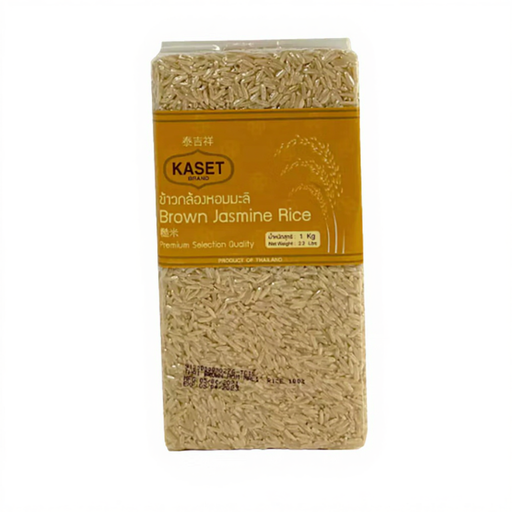
Why It Stands Out This rice from Kaset is an authentic whole-grain version of classic jasmine rice from Thailand. It combines the health benefits of whole grains with the popular aroma of fragrant rice.
Pros
Who It's For Ideal for health-conscious individuals and home cooks looking for a nutrient-rich alternative to white rice without sacrificing the characteristic aroma.
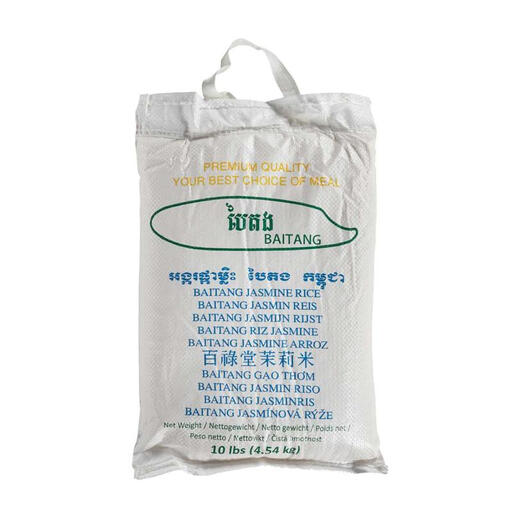
Why It Stands Out The BAITANG Jasmine Rice comes in a generous 4.5 kg value pack and delivers the classic qualities expected from a high-quality white Thai rice: a smooth grain and a sweet, nutty aroma after cooking.
Pros
Who It's For Perfect for families, shared households, and anyone who cooks rice frequently and wants to keep a reliable, high-quality white jasmine rice in their pantry.
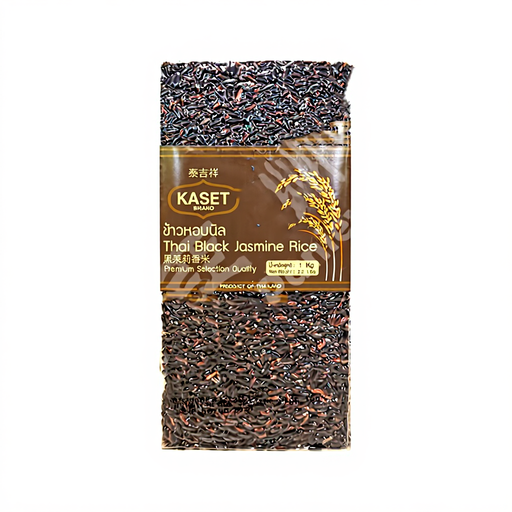
Why It Stands Out This black jasmine rice from Kaset is a visual and culinary highlight. Its deep purple colour makes any dish special, while its whole-grain properties provide a nutritious base.
Pros
Who It's For For creative cooks who want to add a unique touch to their meals and are looking for a healthy yet special rice variety.
If the products featured here don't exactly match what you're looking for, or if you're simply curious about other varieties, you can find a broader selection in our comprehensive Rice & Grains category. There you can explore different brands, package sizes, and rice types to find the perfect addition to your kitchen.
Although both are considered aromatic rices, they are distinctly different. Jasmine rice originates from Southeast Asia (primarily Thailand), has shorter, plumper grains, clumps together slightly after cooking, and has a floral scent. It pairs well with Thai and Chinese dishes. Basmati rice comes from India and Pakistan, has very long, thin grains, cooks up fluffy and separate, and has a nutty aroma. It is the classic choice for Indian curries and biryanis.
For a fluffy yet slightly sticky texture, jasmine rice should be rinsed once or twice in cold water before cooking to remove excess starch. A common water-to-rice ratio is 1.25 cups of water to 1 cup of rice. Bring the water and rice to a boil, then reduce the heat to the lowest setting, cover the pot, and let the rice steam for about 12–15 minutes until the water is fully absorbed. Afterwards, remove the pot from the heat and let the rice rest, still covered, for a few more minutes.
Yes, as a whole-grain rice, brown jasmine rice contains the bran and germ of the rice kernel. These components provide additional fibre, vitamins (especially B vitamins), and minerals that are removed from white rice during processing. White rice, on the other hand, provides more readily available energy in the form of carbohydrates. The choice, therefore, depends on your personal dietary goals.