
Lieferung heute & morgen

Qualitätsgarantie

Willkommens-Angebote freischalten: KOSTENLOSE Lieferung | Bis zu 80 % RABATT | Kostenlose 30-Tage-JoyPlus-Testphase
App herunterladen
Jasmine rice is an aromatic long-grain rice that can develop a soft, slightly sticky texture and a distinctive fragrance when cooked. It goes well with Thai curries, stir-fries, vegetable dishes, bowls and many vegetarian or vegan recipes. However, when shopping in Germany, you will find a range of origins, pack sizes and product descriptions side by side.
If you focus only on terms such as “AAA”, “Premium” or “authentic”, you often overlook the properties that really matter. Ingredients, origin, cooking instructions, packaging and actual consumption are more important when choosing the right product than advertising language.
Thai jasmine rice, Thai Hom Mali rice, fragrant rice and Fragrant Rice are sometimes used similarly by retailers. However, they do not automatically refer to the same country of origin or classification. For example, a product may come from Thailand, Cambodia or Vietnam, with each origin offering its own aroma and texture profile.
You should therefore check:
A sack of jasmine rice weighing 18 kg or 20 kg can make sense for restaurants, catering businesses, commercial kitchens or households that eat a great deal of rice. For occasional meals, a 1 kg or 5 kg pack may be more suitable. Once opened, a large pack of rice also requires a dry storage space that can be sealed securely.
The price per kilogram should always be considered alongside storage time, consumption and pack size. A cheaper bulk sack is not the right choice if the rice remains open for a long time or absorbs moisture.
The amount of water required can vary depending on the harvest, rice variety, age of the grain and cooking method. The instructions on the packaging should therefore take priority. General rules such as “always use twice as much water” do not reliably produce the desired result with jasmine rice.
Thai Hom Mali rice comes from Thailand according to the product information and is often described as having a floral fragrance and a soft, slightly sticky texture. Cambodian jasmine rice can also be aromatic, but is sold with its own origin profile. Vietnamese fragrant rice, including ST25, has different information regarding grain, aroma and water ratio.
For curries and stir-fries, varieties with a soft texture and pronounced fragrance are suitable. If you prefer looser grains, compare the description of the texture with the recommended amount of water.
A short ingredients list makes it easier to assess the product. According to the suppliers’ information, several of the products listed here consist of 100% jasmine or fragrant rice and contain no added ingredients. Claims such as “gluten-free” or “free from allergens” should always be checked against the specific packaging labelling, particularly when rice is decanted or stored alongside other products.
For individual households, 1 kg jasmine rice or 5 kg jasmine rice are manageable formats. 10 kg packs are suitable for regular cooking. 18 kg and 20 kg jasmine rice packs are aimed more at frequent users, catering businesses or households with high consumption.
Regardless of the size:
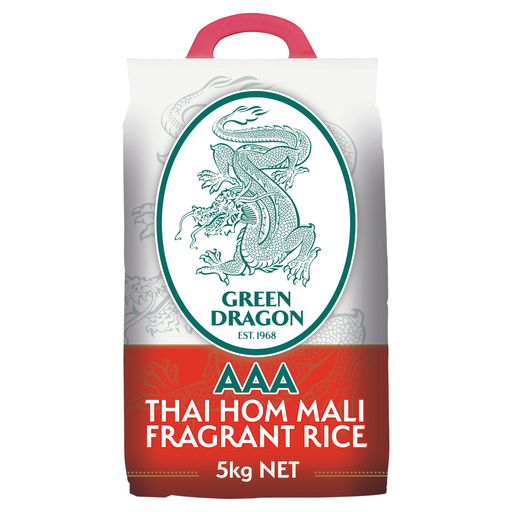
Why this product suits this profile: The 5 kg pack provides a manageable supply for regular meals without requiring you to move straight to a catering-size pack.
The product description specifies the ingredients, storage instructions and a precise cooking ratio. This makes it easier to assess the product based on more than just marketing terms.
5 kg net weight; according to the supplier, Thai Hom Mali Fragrant Rice with a soft texture.
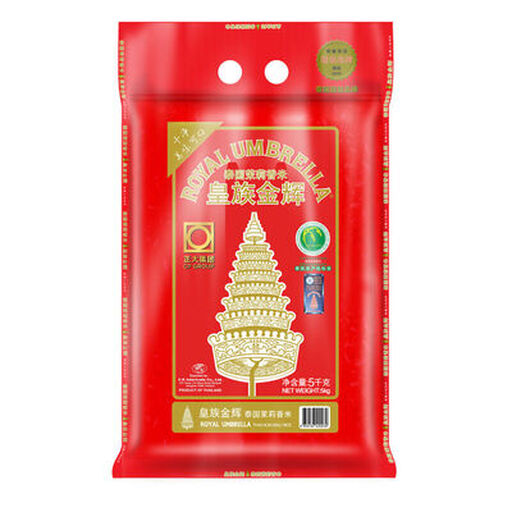
Why this product suits this profile: The product information lists 100% rice, a net weight of 10 kg, specific nutritional values and storage instructions.
The clear ingredients information helps you distinguish pure jasmine rice from blends or products with added flavours. The best-before date is shown on the packaging.
100% rice according to the product description; 10 kg as a stock size for regular Asian dishes.
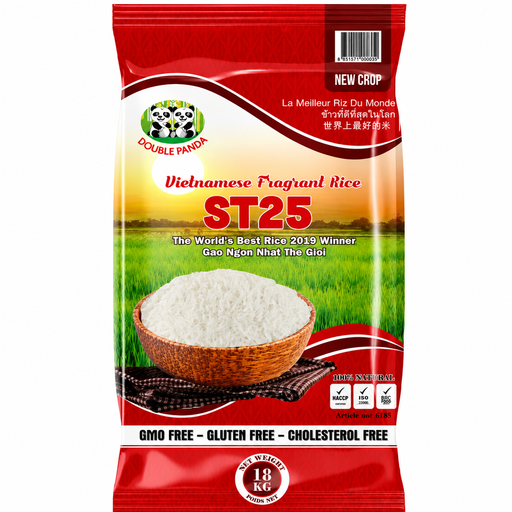
Why this product suits this profile: The 18 kg format is aimed at frequent users, restaurants and commercial kitchens. The Vietnamese ST25 designation appeals to buyers specifically looking for Vietnamese fragrant rice.
The product description lists the origin, variety, ingredients, net weight and preparation separately. This makes it easier to compare with Thai or Cambodian jasmine rice.
18 kg net weight; according to the supplier, 100% ST25 fragrant rice from Vietnam.
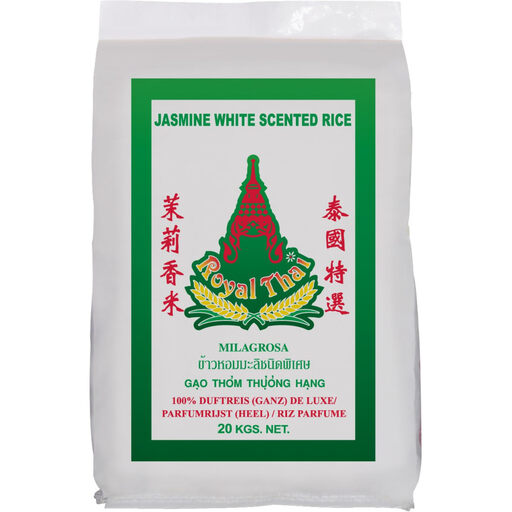
Why this product suits this profile: The 20 kg sack is designed for frequent preparation of rice for curries and stir-fries, and clearly states its Thai origin.
The precise cooking instructions specify a ratio of 1:1.5 and a resting time. This is more useful than a description focusing solely on aroma without preparation details.
20 kg net weight; ingredients as stated: 100% Jasmine White Rice.
We have put together a complete, regularly updated list of products that fully meet these strict selection criteria and the safety regulations applicable in the EU.
The specific instructions on the individual bag should always be followed first. As a guide, products may recommend water ratios ranging from around 1:1 to 1:2. A typical method is:
Washing the rice too vigorously can alter its texture. Frequently lifting the lid during cooking can also affect the distribution of steam.
This depends on the product and cooking method. Product pages may specify ratios such as 1:1, 1:1.2 or 1:1.5. The manufacturer’s instructions on the specific packaging are the deciding factor. Older rice or rice stored in drier conditions may require slightly different amounts.
Unopened rice can be stored until the best-before date printed on the packaging, provided it is kept in a dry, cool place protected from sunlight. Once opened, it should be sealed airtight and protected from moisture and pests. Do not use the product if it has an unusual smell, visible moisture or signs of pest infestation.
For occasional cooking, 1 kg or 5 kg is usually sufficient. 10 kg is suitable for regular rice dishes. 18 kg or 20 kg of jasmine rice makes sense primarily when several people eat rice frequently or a catering business needs a continuous supply. Consumption, storage space and the price per kilogram are the key considerations.