Considerate room-sharers
You listen to jazz while someone else is in the same bedroom, and want to limit sound leakage and distractions.


If someone else is in the bedroom at the same time, closed-back headphones that fit well are usually a good place to start. This design can help limit sound leakage while also isolating you from your surroundings. Wired models are useful if you want to replay passages without having to think about battery life; ANC may also help with certain background noises, but it’s no substitute for a good fit or a sensible volume. Open-back headphones are more suitable if the other person won’t be disturbed by sound escaping.
You listen to jazz while someone else is in the same bedroom, and want to limit sound leakage and distractions.
You replay solos and accompaniment at your desk, and want to make sure the connection is right, the headphones fit securely and they’re comfortable during longer listening sessions.
You want to concentrate despite background noise, and are wondering whether passive isolation is enough or ANC might help.
A good fit if: You replay jazz passages at your desk and want the other person to hear as little as possible.
What to bear in mind: Fit and ear cushions are key to isolation and comfort; a tight clamping force may feel uncomfortable, depending on the wearer.
A good fit if: Steady background noise distracts you, or you want to move around without a cable.
What to bear in mind: ANC works particularly well with low-frequency noise and a good fit; wireless listening means you’ll need to charge the headphones.
A good fit if: You’re listening alone, or the other person is happy for some sound to escape.
What to bear in mind: Open-back headphones can let sound out, so they’re not the obvious choice for a shared bedroom.
| What matters | What to look for | Who will find this especially important? |
|---|---|---|
| Sound leakage and isolation | Closed-back design and a good, snug fit; if possible, try them on to see how they fit you. | When someone else is in the room, I want to listen to music without disturbing them unnecessarily. Around 36% of consumers put consideration for others and isolation first. |
| Jazz detail and connection | Check the plug, the socket on your audio source and the cables included; when listening repeatedly, compare familiar recordings for yourself. | When I listen to solos and accompaniment several times, I need the right signal path and want to replay specific passages. Around 29% of consumers prioritise jazz detail and repeated listening. |
| Comfort during longer sessions | Check the clamping force and ear cushions with your own glasses; consider whether replacement cushions are available. | During longer study sessions, I want the cushions and fit to stay comfortable. Around 21% of consumers put long-term comfort first. |
| ANC and freedom of movement | Check whether the ANC suits the noise in your room and whether the headphones can also be used with a cable. | If room noise affects my concentration or I want to move around, extra noise reduction or wireless use may be worth considering. Around 14% of consumers prioritise ANC and flexibility. |
Open-back headphones can let sound out. If someone else is in the bedroom at the same time, this may disturb them.
First, check whether the other person will be in the room while you’re listening. If so, prioritise closed-back models.
How well ANC works depends on the noise and the fit. It won’t automatically stop the other person from hearing your music.
Assess fit and passive isolation separately from ANC, and keep the volume at a sensible level.
Cables and connections vary by model. Even soft cushions can’t guarantee a comfortable fit for everyone.
Check what’s included against your device and, if possible, try the headphones on with your glasses.
Closed-back, wired studio models for listening and monitoring. The DT 770 PRO X is distinct from the 80-ohm version of the DT 770 PRO.
The closed-back HD 569 is worth considering for a shared room; the open-back HD 599 is an alternative if sound leakage won’t disturb anyone.
The WH-1000XM6 is a closed-back Bluetooth option with ANC and the option to listen using a cable.
The wired ATH-M50x is another option for studio use and everyday listening, with passive isolation.
The QuietComfort Ultra Headphones (2nd Gen) are an ANC option if freedom of movement and adjustable noise cancelling are important to you.
This selection includes closed-back over-ear headphones for wired listening, as well as closed-back Bluetooth models with ANC.
 No image available
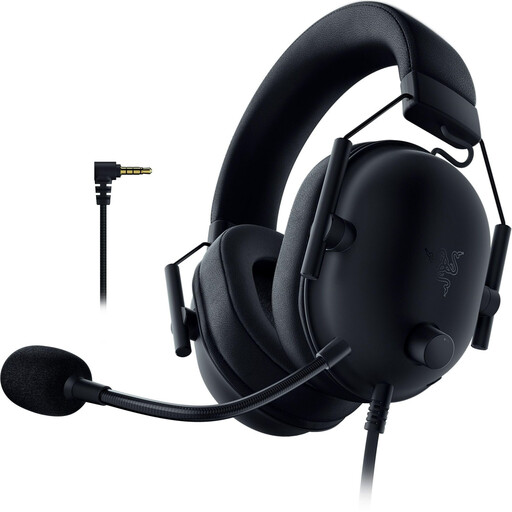
The closed-back, wired design is well suited to replaying tracks at your desk.
3.5 mm connection; passive noise isolation; memory foam ear cushions; 240–260 g.
 No image available
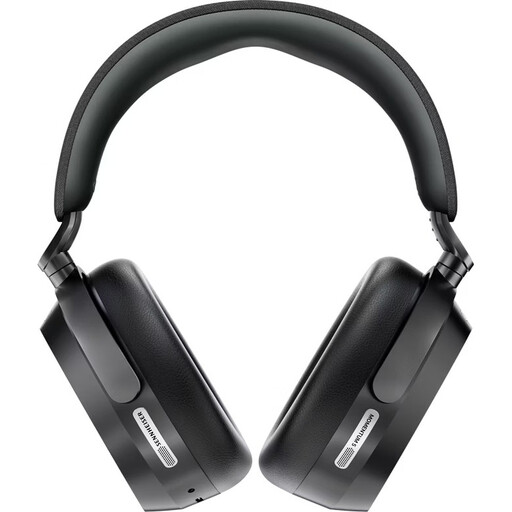
The closed-back design with ANC is an option if room noise distracts you and you want to choose between Bluetooth and wired listening.
Bluetooth and 3.5 mm audio cable; ANC; up to 57 hours of battery life according to the product information; replaceable battery.
 No image available
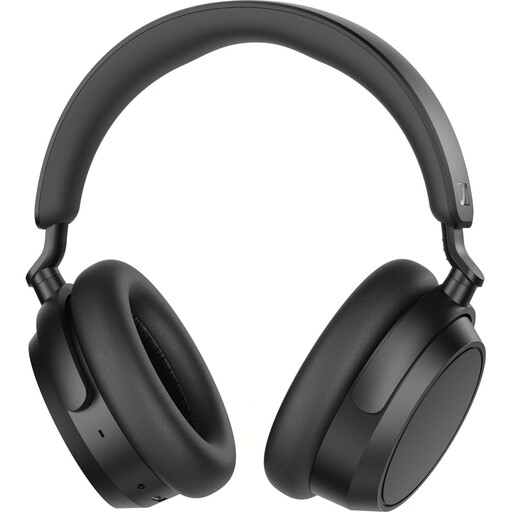
This closed-back model offers ANC, plus Bluetooth and wired listening for different situations.
Detachable cable; Bluetooth 5.2 with aptX and Multipoint; 50-hour battery life and fast charging according to the product information.
 No image available
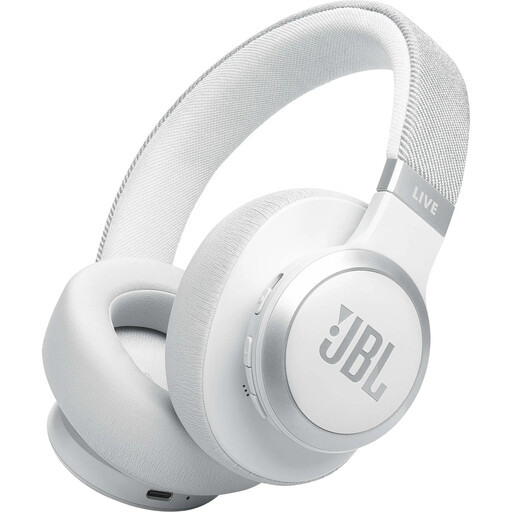
A wireless over-ear option with ANC if background noise is affecting your concentration.
Bluetooth 5.3; ANC and Smart Ambient; detachable audio cable.
 No image available
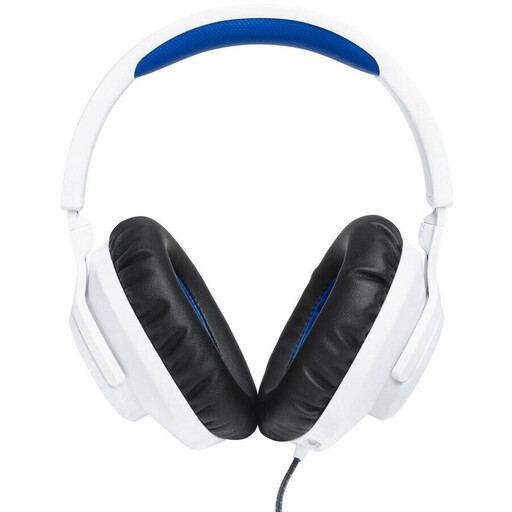
The closed-back, wired design is well suited to replaying tracks at your desk.
3.5 mm connection; memory foam ear cushions; 220 g.
No. ANC is mainly designed to reduce noise reaching you from outside. For the other person, the design, fit and playback volume are what matter; according to TÜV SÜD, ANC works particularly well with low-frequency noise and a good fit.
Before buying, check your audio source’s socket against the plug and what’s included. For the HD 569, Sennheiser lists a 3 m cable with a 6.3 mm plug and a 1.2 m cable with a 3.5 mm plug; this specification doesn’t automatically apply to other models.
Keep the volume moderate and take breaks rather than turning it up to drown out room noise. The World Health Organization gives four hours per week at 90 dB as a guide to sound exposure; this isn’t a recommended setting for any particular headphone model.
Under EU rules, goods are generally covered by a legal guarantee of at least two years from the date you receive them; this is separate from any voluntary manufacturer’s warranty. According to the consumer advice centre, online purchases generally come with a 14-day right to cancel. Check the terms of your specific purchase and keep your paperwork.